Jury resigns en masse as 61st Venice Biennale faces unprecedented disruption
The 61st edition of the Venice Biennale is set to open under cloud following the mass resignation of the jury over the inclusion of artists from Russia and Israel.
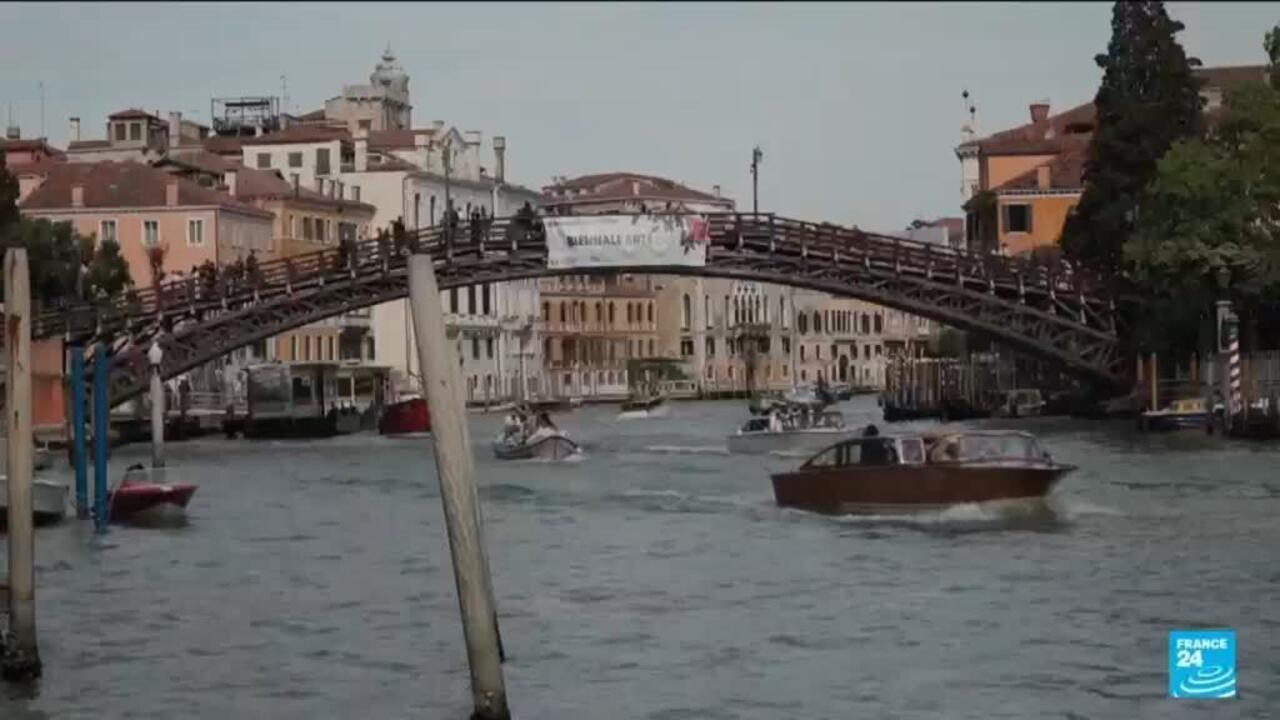
The 61st Venice Biennale is set to present its most chaotic edition to date, a development that has fundamentally undermined the governance of the world's oldest contemporary art exhibition. The event faced severe disruption on Tuesday as the jury resigned en masse, an occurrence described as unprecedented in the history of the prestigious showcase.
This institutional collapse came just days before the official preview, casting significant doubt on the operational capacity of the Biennale. The resignation was a direct response to the inclusion of artists representing Russia and Israel in the current edition, sparking immediate controversy regarding the curation and oversight of the event.
The decision by the jury to withdraw has escalated tensions surrounding the exhibition, with boycotts and threats emerging rapidly in the lead-up to the preview. These actions suggest a deep fracture within the artistic community and raise serious questions about the ability of the organising body to maintain neutrality and structure amidst geopolitical friction.
As the preview proceeds, the focus has shifted from artistic merit to the structural integrity of the institution itself. The resignation of the jury, which is responsible for selecting and evaluating the works, leaves a critical governance vacuum at a time when the exhibition is preparing to open its doors to the public.
The situation highlights the increasing difficulty of hosting international cultural events in an era of heightened global division. By allowing participation from nations currently at the centre of international contention, the organisers have triggered a mechanism that has now compromised the very framework of the event.
France 24 International reported that the resignation was not an isolated incident but a coordinated withdrawal, indicating a unified stance among the jurors against the specific national representations involved. This collective action marks a significant departure from previous years, where such disputes were typically managed through diplomatic channels rather than institutional abandonment.
The outcome of this crisis remains uncertain as the Biennale moves toward its opening. The precedent set by this mass resignation could influence future editions and the way international art organisations navigate similar geopolitical challenges.