JNIM declares 'total siege' on Bamako as Malian capital faces renewed instability
The declaration marks a significant escalation in rhetoric, though analysts caution that operational capacity to hold the urban centre remains unproven
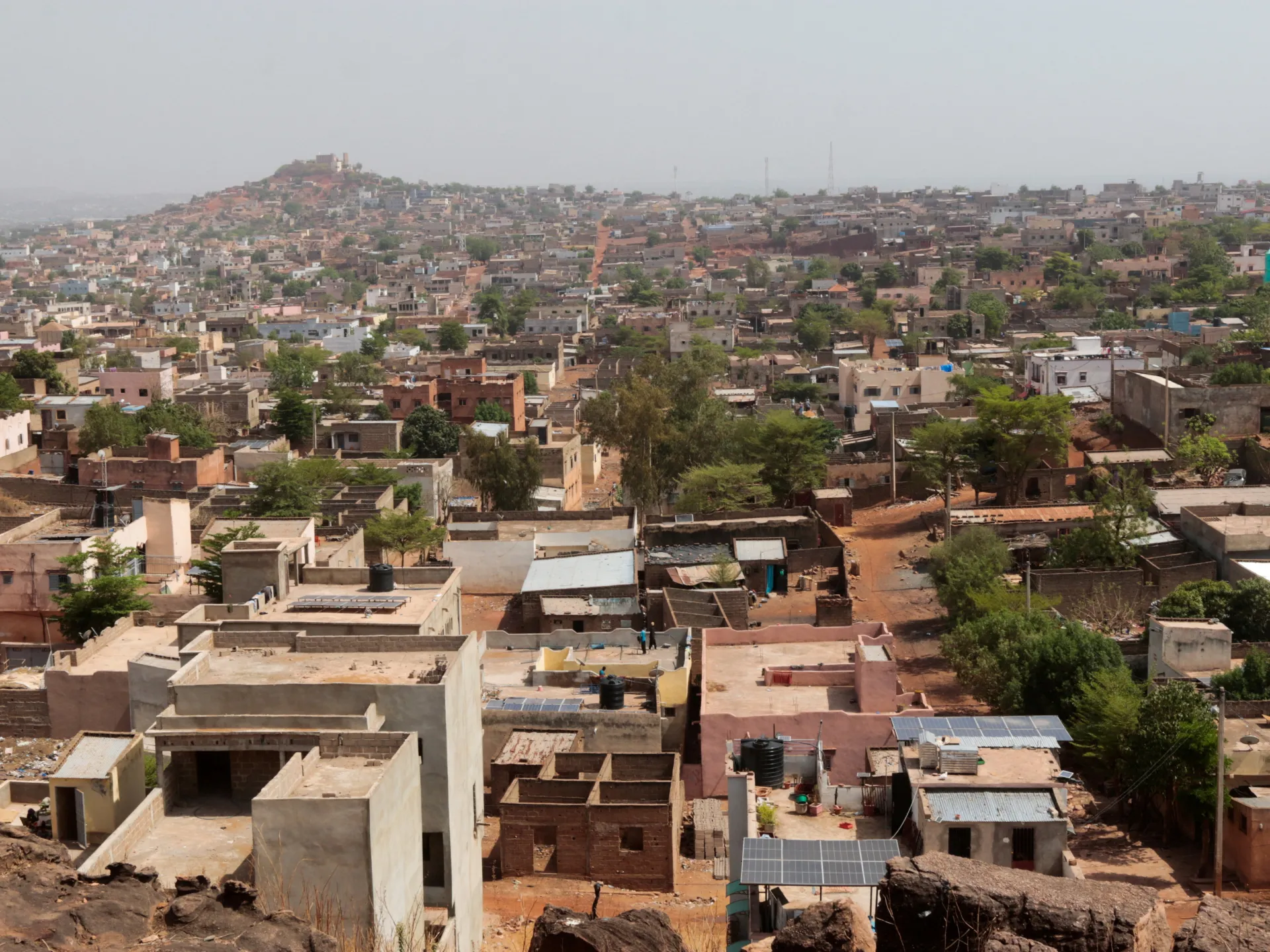
The armed group JNIM has officially announced the commencement of a total siege on Bamako, the capital city of Mali. The declaration, issued by the group, signals a shift in the tactical posture of the insurgency within the nation's political heartland. This move follows a series of coordinated attacks on military positions across Mali that occurred on Saturday, 25 April 2026.
During the preceding assaults, unidentified armed groups targeted locations including Bamako, Kati, Gao, and Sevare. Reports from the ground described sustained heavy weapons and automatic rifle fire, with specific incidents of gunfire and heavy ordnance noted near Modibo Keïta International Airport. The Malian army confirmed that fighting was ongoing at various military positions in the capital and interior towns immediately following these events.
General Assimi Goita, a key figure associated with the Malian army, remains central to the defence of the capital during this period of heightened tension. While the army has maintained that it is engaging the insurgents, the declaration of a siege by JNIM introduces a new layer of uncertainty regarding the immediate security situation in Bamako. The specific duration and tactical scope of the declared siege are not detailed in the current report, leaving the precise nature of the group's intentions open to interpretation.
Contextual analysis suggests a distinction between the group's rhetoric and its current operational capabilities. An analyst from Oxford Analytica noted that JNIM currently lacks the capability to seize and hold the urban area of Bamako. This assessment implies that the declaration of a total siege may be a strategic move rather than an indication of imminent total control over the city. The gap between the group's public statements and the reality of ground forces requires further verification as the situation evolves.
The declaration of a siege on the capital represents a critical development in the ongoing conflict, potentially altering the strategic landscape for both the Malian state and regional partners. While the immediate outcome of the siege declaration remains to be seen, the announcement underscores the persistent volatility in the region. The focus now shifts to whether this rhetoric translates into sustained military pressure or if it serves primarily as a propaganda tool to influence domestic and international perceptions of the conflict.