Jharkhand unrest escalates as students clash with police over recruitment exam integrity
Thousands of demonstrators have been mobilising since late July, demanding structural reforms to the state’s recruitment processes amid allegations of leaked examinations.
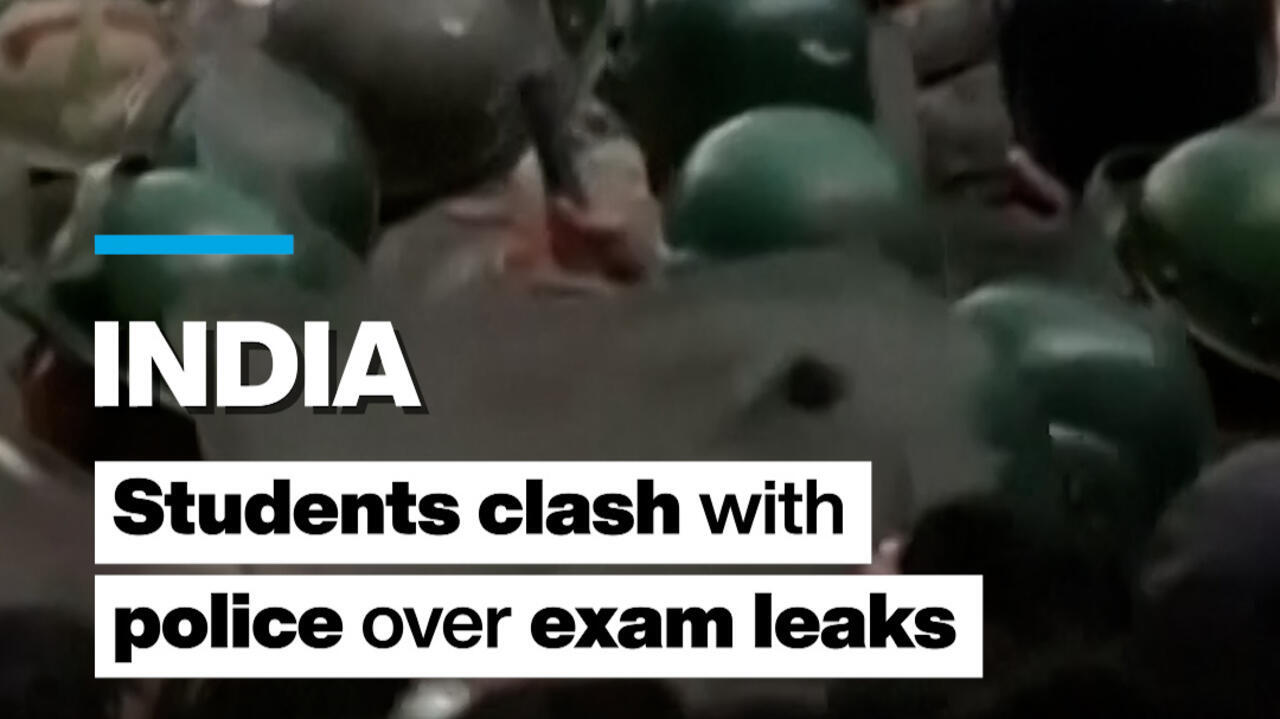
Tensions have escalated in the Indian state of Jharkhand, where thousands of students and unemployed young people have engaged in clashes with police. The unrest, which has persisted since late July, centres on demands for comprehensive reforms to the state’s recruitment exam system. Demonstrators have cited concerns over alleged exam leaks as a primary driver for their mobilisation, seeking to address what they view as systemic failures in the selection process.
The situation in Jharkhand is part of a broader wave of dissatisfaction regarding recruitment integrity across India. The current protests follow weeks of demonstrations in Delhi that resulted in the resignation of India’s education minister last month. This political fallout highlights the severity of the crisis, as the national government faced significant pressure to address the integrity of public sector recruitment exams.
Political analyst Radhika Ramaseshan has observed that the movement in Jharkhand has adopted tactics seen in the capital’s earlier protests. However, she notes that the unrest is also drawing on the state’s local tradition of popular struggle. This combination of nationalised protest methods and regional historical context has helped sustain the momentum of the demonstrations despite police opposition.
The ongoing standoff symbolises a deeper breakdown in trust between young people and the political system. According to Ramaseshan, demonstrators are not merely seeking immediate concessions but are pushing for structural changes designed to prevent future crises in the recruitment landscape. The persistence of the protests indicates that patience is running thin among the youth demographic, who feel that existing institutions have failed to ensure fairness.
While specific details regarding the extent of injuries or property damage during the clashes are not provided in the source material, the frequency of confrontations underscores the volatile nature of the situation. The unrest in Jharkhand reflects a wider trend of youth dissatisfaction with political processes and recruitment mechanisms, raising questions about the stability of governance in the region.