Jerusalem Day march sparks tensions as ultranationalists target Palestinian residents
Co-director accuses police of inaction as violence escalates in the Old City against backdrop of regional conflict
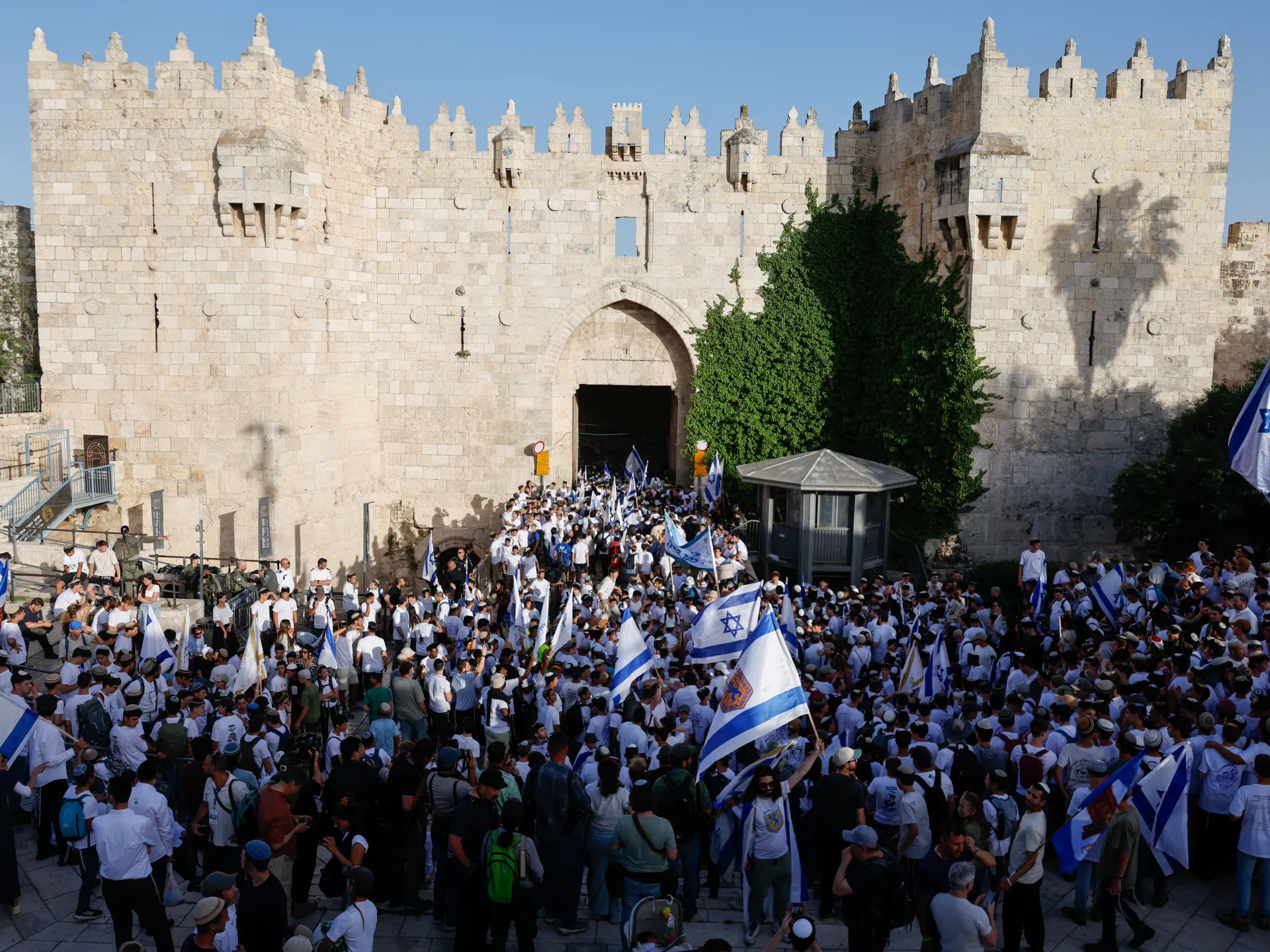
Israeli ultranationalists, comprising a significant number of teenagers and young adults, marched through Jerusalem’s Old City during the annual Jerusalem Day parade, chanting slogans including “Death to Arabs” and “May your villages burn”. The event, which commemorates the 1967 capture of East Jerusalem, has long been a flashpoint for tensions, with this year’s procession drawing sharp criticism from community advocates and international bodies alike.
Palestinian residents responded to the anticipated hostility by shuttering their shops and remaining indoors. By late morning, the narrow stone alleyways of the Old City were largely deserted, with most shopkeepers pulling down metal shutters. Some marchers were observed banging on these closed shutters and clapping rhythmically as they passed, while others engaged in verbal abuse directed at the closed businesses.
The Standing Together movement, an Israeli-Palestinian grassroots organisation, deployed volunteers across the area to protect Palestinian-owned businesses and attempt to de-escalate tensions. Approximately 200 activists in purple vests positioned themselves between the marchers and residents. Rula Daoud, the group’s co-director, stated that their presence was intended to shield people from attack and prevent vandalism, noting that the march was becoming increasingly violent each year.
Daoud accused Israeli police of failing to intervene against the harassment, describing the participants as “settlers and right-wing fascist young and older people” who were attempting to terrorise the area. Uri Weltmann, the organisation’s national field director, reported that fighting broke out early in the Christian Quarter and alleged that police had forced some Palestinian shop owners to close their businesses.
The march, which typically culminates at the Western Wall, took place against a volatile regional backdrop, including Israel’s war with Iran and a fragile ceasefire in Gaza marked by near-daily violations. Analysts attribute the escalation in violence at the march since October 2023 to the rise of the Religious Zionism movement and its alignment with government support. The United Nations has previously declared the annexation of East Jerusalem, home to a predominantly Palestinian population, illegal under international law.
Journalists covering the event also reported facing hostility, with some reporters shoved and blocked from filming by participants. The incident highlights the ongoing governance challenges surrounding the commemoration of the 1967 war’s conclusion, as authorities struggle to balance the celebration of “reunification” with the protection of minority rights in the occupied territory.