Iran establishes cyberspace command amid 11-week wartime blackout
President Masoud Pezeshkian appoints First Vice President Mohammad Reza Aref to lead new headquarters, while Chief Justice warns of prosecutions for internet law infractions.
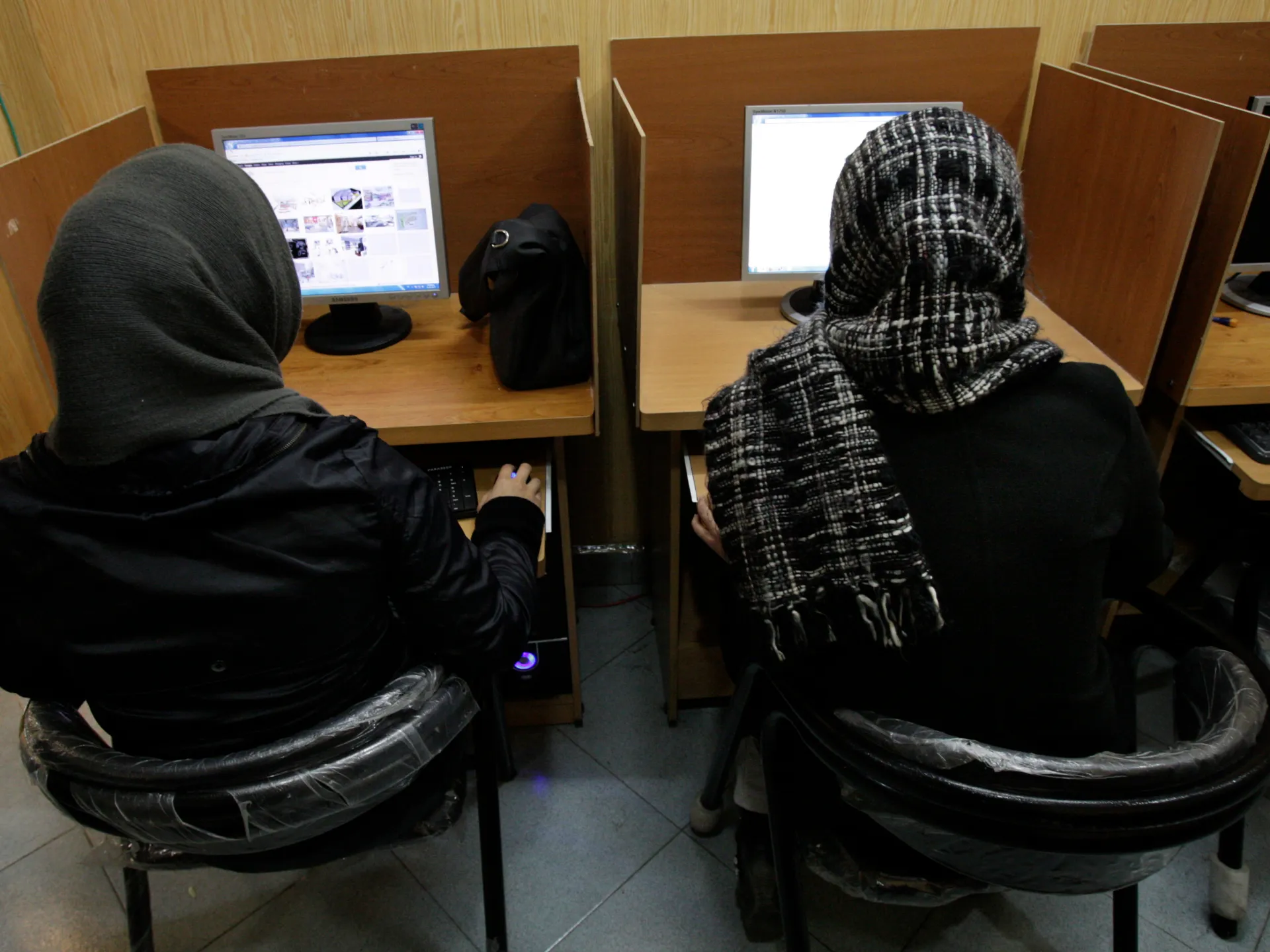
Iran has formalised a new institutional framework for internet governance, establishing the Specialised Headquarters for Organising and Guiding Iran’s Cyberspace under the leadership of First Vice President Mohammad Reza Aref. The move, announced by President Masoud Pezeshkian, aims to create institutional cohesion and streamline policy across multiple state bodies overseeing communications. This administrative restructuring occurs 11 weeks into a near-total internet shutdown imposed following the commencement of hostilities with the United States and Israel on 28 February 2026.
The government continues to enforce the blackout as a necessary security measure to prevent espionage by agencies such as Mossad, with plans to restore full access only after the war concludes. While the new headquarters is tasked with reviewing the efficiency of the Supreme Council of Cyberspace, experts suggest the body will primarily coordinate existing policies rather than fundamentally alter the restrictive landscape. The shutdown, which has affected over 90 million citizens, remains the longest nationwide internet blackout in the world, with users largely restricted to a slow intranet or expensive virtual private networks.
Amid the broader restrictions, the Supreme National Security Council has introduced a tiered access service known as "Internet Pro". Designed for approved entities including businesses, university professors, and lawyers, the service provides slightly higher-tier connectivity and allows access to platforms such as Telegram, WhatsApp, and ChatGPT. However, most international services, including YouTube, remain blocked. The service is priced significantly higher than standard packages, and reports indicate that some state-linked entities have been reselling access at inflated rates.
Internal government friction has emerged regarding the implementation of these policies. Chief Justice Gholam-Hossein Mohseni-Ejei acknowledged inconsistencies in the rollout of Internet Pro, describing the policy as a "sledgehammer that descends on public opinion" while simultaneously warning that infractions of internet laws must be prosecuted. This admission highlights the tension between the state’s security objectives and the practical realities of enforcing digital restrictions on a large population.
The economic and scientific impact of the blackout has drawn criticism from within the administration. Minister of Science, Research and Technology Hossein Simaei Saraf bypassed standard protocol to directly request the unblocking of the US National Library of Medicine’s PubMed database, which was subsequently reopened. Meanwhile, Minister of Information and Communication Technology Sattar Hashemi claimed that local messaging apps, which lack strong encryption, have a combined user base of 100 million. Government spokesperson Fatemeh Mohajerani maintained that the situation is temporary but insisted that security is a condition of war, dismissing calls for an immediate ceasefire or internet restoration.