Japan’s temples face a demographic test of survival
Population decline, shrinking congregations and falling funeral income are forcing Buddhist temples to close, merge or find new roles in their communities.
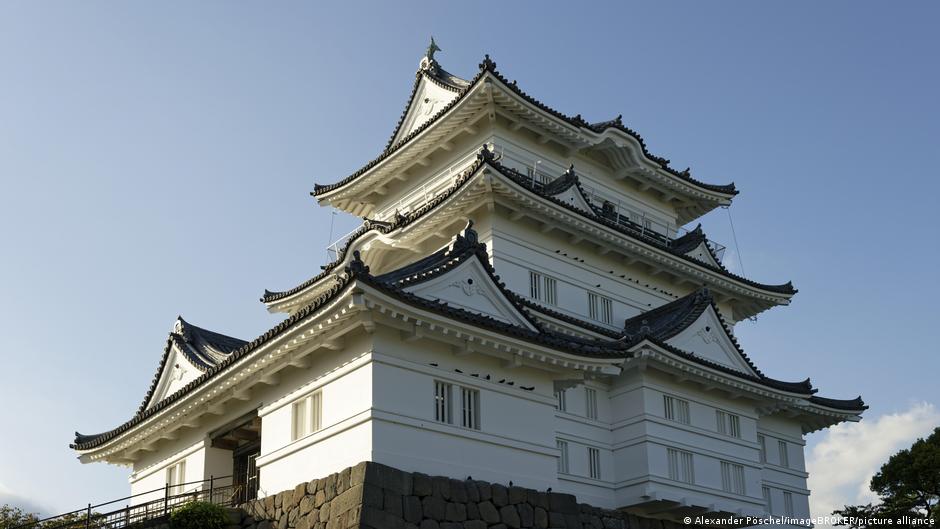
Japan’s Buddhist temples are confronting a widening institutional crisis as rural depopulation, fewer congregants and financial pressure undermine the traditional model of temple upkeep and family rites.
Deutsche Welle reports that as many as 17,000 of Japan’s approximately 77,000 temples no longer have a full-time resident priest. Some have closed or been left to deteriorate, while others are being merged, sold or operated by shared priests.
A 370-year-old temple on the Chita Peninsula is being marketed for 482 million yen, with dismantling and relocation included. The structure could be converted into a two- or three-bedroom home, marking the end of its role in the local community.
In Odawara, the Ganshu-ji temple went without an abbot for 70 years before Tomomi Iwayama took over. Its recovery has included selling grave plots and introducing a “smart graveyard”, where a robotic system retrieves ashes from a columbarium after families scan a card.
Other temples are responding to changing demand by offering meditation, vegetarian cooking classes and community services. Iwayama told Deutsche Welle that traditional funeral and memorial income is declining, while interest in temple-based experiences remains.
The pressures do not necessarily indicate that Japanese people are becoming less religious. They also reflect a shrinking and less wealthy population, rising costs for maintaining graves and the difficulty of attracting new priests, particularly in rural areas. Some foreign residents are contributing to efforts to preserve religious sites, but the financial viability of many temples remains uncertain.