Japan’s National Council faces deadlock over food consumption tax cut
Amid high inflation and a weakening yen, political parties remain at odds on the implementation of a consumption tax cut for food items, complicating the finalisation of the government’s Basic Policy.
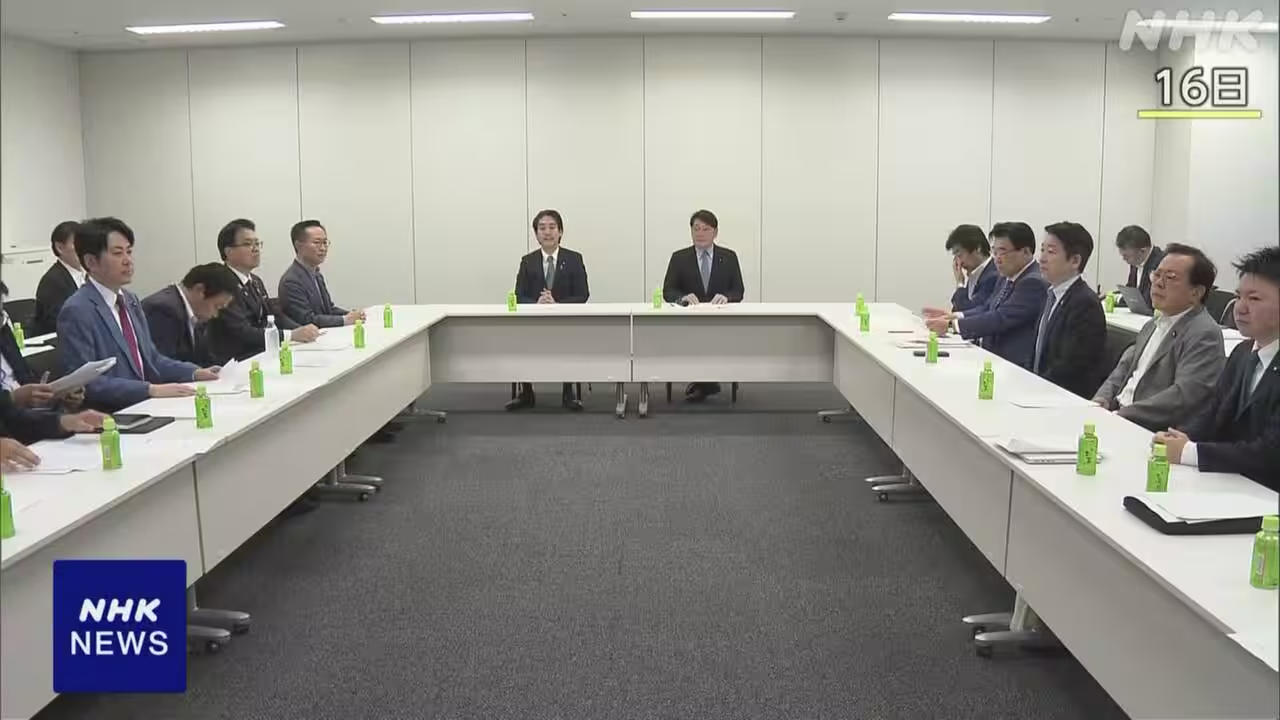
A working group within Japan’s cross-party National Council resumed deliberations on 22 July regarding the treatment of consumption tax cuts for food items. The discussions are occurring as the government finalises its Basic Policy on economic and fiscal management, with officials indicating a target to decide on the policy direction by early August.
However, significant differences in opinion between political parties remain unresolved. Adjustments towards an interim summary are expected to face considerable difficulties, as the gap in views on how to balance fiscal sustainability with cost-of-living relief has not narrowed.
The debate takes place against a backdrop of economic pressure, including high inflation and a weak yen. The currency recently hit a 39-and-a-half-year low against the US dollar, briefly trading in the 163 yen range, which has intensified scrutiny on fiscal measures designed to alleviate household costs.
While a separate agreement on the introduction of a refundable tax credit by the 2029 fiscal year was reached earlier in July, this does not resolve the current impasse on food tax cuts. Voices within the ruling party have called for the Prime Minister to make a decisive judgment to break the deadlock, though no official decision has been made.
Specific details regarding the scope, duration, and funding mechanisms of any potential food tax cut have not been finalised. It remains unclear when, or if, an interim summary will be reached given the depth of the disagreement and the tight timeline for the Basic Policy announcement.