Japan’s 2026 Environment White Paper Flags Bear Attacks as Public Safety Crisis
With over 50,000 sightings recorded in the financial year to March 31, Japan’s latest environmental report attributes the surge in bear-human conflicts to habitat loss, climate impacts on food sources, and a declining rural hunting population.
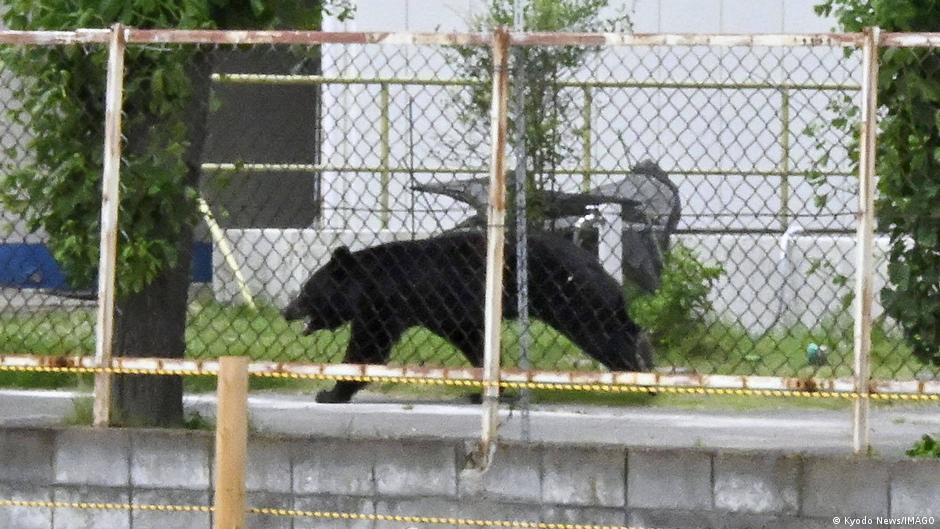
Japan’s 2026 environment white paper, released last week, has formally classified bear attacks as a serious threat to public safety and peace, citing more than 50,000 bear sightings in the financial year ending March 31. The report details a record 238 injuries and 13 deaths resulting from confrontations, a figure that appears likely to be eclipsed by the current year’s data, which already includes 25 injuries and four confirmed fatalities since April 1.
The surge in incidents is no longer confined to remote wilderness areas. Recent weeks have seen bears entering densely populated urban centres, including a large bear filmed running through a shopping arcade in Utsunomiya and a black bear wounding four people in Fukushima city. These events underscore a broader shift in bear behaviour, with animals increasingly venturing into suburban and city environments in search of food.
Experts point to a convergence of factors driving this trend. Kevin Short, a naturalist and former professor of cultural anthropology at Tokyo University of Information Sciences, identifies the loss of traditional feeding habitats as a primary driver. He notes that when bears cannot access sufficient beech nuts or acorns, they extend their range into farmland and towns, exploiting easy food sources such as fruit trees and garbage.
Further compounding the issue is the decline in rural hunter numbers, which has emboldened bears to roam more freely. Research on euthanized bears suggests a generational shift, with younger bears exhibiting lower stress levels and less fear of humans compared to previous generations. Additionally, global warming has disrupted nut and berry crops, forcing bears to forage longer and become more aggressive as they attempt to bulk up for hibernation.
In response to the escalating crisis, the government is encouraging residents in rural regions to take up hunting as a pastime to help manage bear populations. Simultaneously, technology firms and researchers are deploying innovative solutions. Ohta Seiki has sold 50 units of its 'Monster Wolf' animatronic deterrent since April 1, exceeding annual sales targets, while Sophia University’s Yusuke Fukazawa has developed an AI prediction tool with 70% accuracy for identifying potential bear encounters within a one-kilometre radius.