Japanese researchers create female clones from male mice using CRISPR
A team from the University of Yamanashi and Riken BioResource Research Center has successfully turned male mouse embryos into females, challenging established concepts in mammalian reproduction.
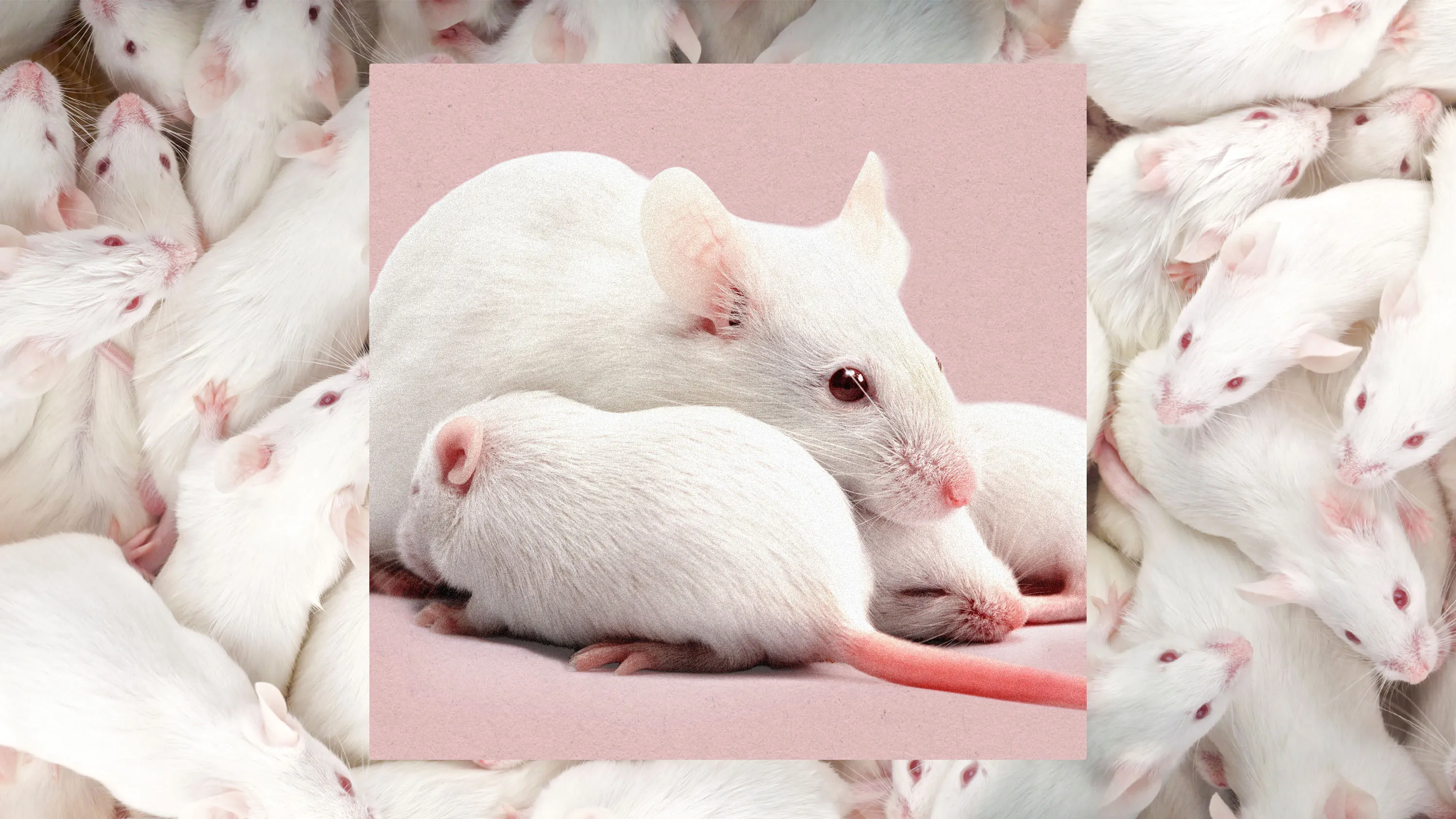
Scientists in Japan have successfully created female clones from male mice by using a CRISPR-based technique to remove the Y chromosome. The method, termed Y-CUT, allows for the generation of fertile female offspring from male cells, offering potential applications in conservation efforts for endangered species and the production of genetically engineered animals.
Takashi Ishiuchi, a reproductive biologist at the University of Yamanashi, and Shogo Matoba of the Riken BioResource Research Center in Ibaraki developed the approach to overcome limitations in traditional cloning. Standard cloning of a male animal produces only male offspring, which limits genetic diversity in conservation efforts where only males of a species may remain. The findings were published in a preprint paper on bioRxiv earlier this month and have not yet undergone peer review.
The researchers tested their technique on early-stage mouse embryos and adult cells, resulting in the birth of healthy, fertile female pups with XO chromosomes. These females possess one X chromosome instead of the usual two. While XO chromosomes often lead to infertility in other mammals, female mice with this chromosomal configuration are fertile, allowing the cloned animals to mate and produce healthy offspring.
In a second experiment, the team demonstrated that the method could create female clones from male mice, including from cryopreserved cells. This suggests potential use in "frozen zoos," which store cells and tissues from a range of animal species. The ability to generate females from stored male samples could help rescue endangered species, particularly in cases where only a few individuals remain.
The research was inspired by the sex-changing abilities of the Okinawa rubble goby fish, which can alter its sex to reproduce when mates are scarce. Complementary technologies, such as turning male cells into egg cells reported by Katsuhiko Hayashi in 2023 and inserting rat chromosomes into mice reported by Sayaka Wakayama, could address current limitations of the Y-CUT technique.
Monika Ward, a reproductive biologist at the University of Hawaii who was not involved in the research, noted that the feat could change how scientists think about reproduction. Ben Novak, lead scientist at the wildlife conservation organization Revive & Restore, expressed confidence that there would be plenty of applications for conservation purposes.
While the technique is not yet perfect, requiring hollowed-out egg cells from females of the same or a closely related species, it represents a significant step forward. The findings provide new tools for addressing scenarios where genetic diversity is critically low, such as with the black-footed ferret and Przewalski’s horse, which have previously been helped by cloning efforts.