Japan ruling party pushes 'sub-capital' bill to deadline amid six-party opposition
The governing coalition aims to pass decentralisation legislation by 24 July, while opposition parties cite a lack of clarity in the bill’s underlying principles.
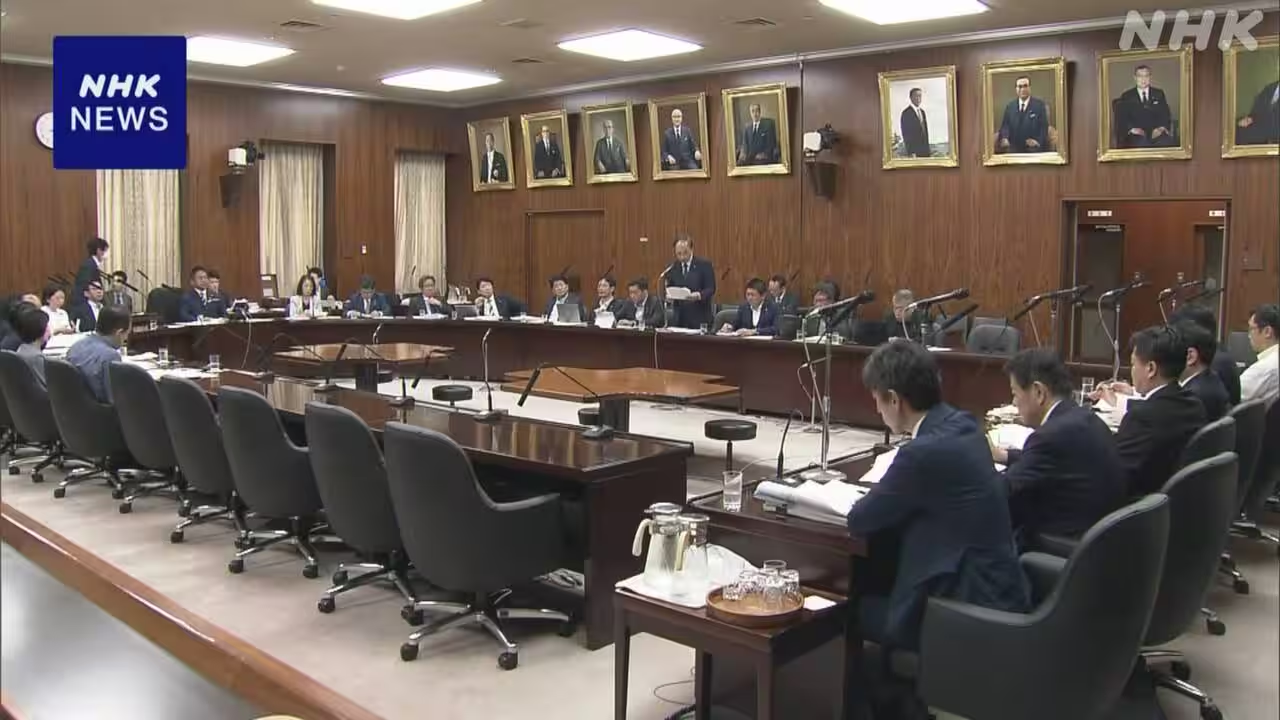
The Japanese ruling party is accelerating efforts to secure the passage of legislation concerning the 'sub-capital' concept before the current parliamentary session concludes. NHK News Japan reports that the governing coalition has set a target date of 24 July for the bill’s enactment, marking the final phase of negotiations ahead of the session's end.
The legislative push faces coordinated resistance from six opposition parties, which have signalled their intent to block the measure. According to the broadcaster, the opposition’s primary objection centres on the bill’s lack of defined principles, arguing that the underlying philosophy of the proposed decentralisation framework remains insufficiently clear to the public and lawmakers alike.
Negotiations between the ruling party and the opposition groups have entered a critical period of adjustment. With the parliamentary calendar closing in, lawmakers are engaged in final discussions regarding the vote, though the specific mechanisms of these adjustments have not been detailed in available reports. The outcome of the vote remains uncertain given the unified stance of the six opposing parties.
The 'sub-capital' concept generally refers to plans to decentralise administrative and economic functions from Tokyo to other regions of Japan. However, the source material does not provide specific details regarding the bill's provisions or the exact scope of the proposed decentralisation. The term is used in quotes in reporting, indicating it is a political label rather than a formally established legal status at this stage.
This legislative battle occurs against a backdrop of other pressing political and environmental issues. Concurrent debates include disagreements over food tax cuts, while the country contends with extreme heatwaves and urban wildlife concerns. Despite these broader challenges, the ruling party remains focused on passing the sub-capital legislation within the remaining days of the session.