Japan Airlines to trial humanoid robots at Haneda Airport
Policy announcement on 30 April 2026 marks a new phase in the integration of robotics into Japanese airport infrastructure, though operational specifics remain undefined.
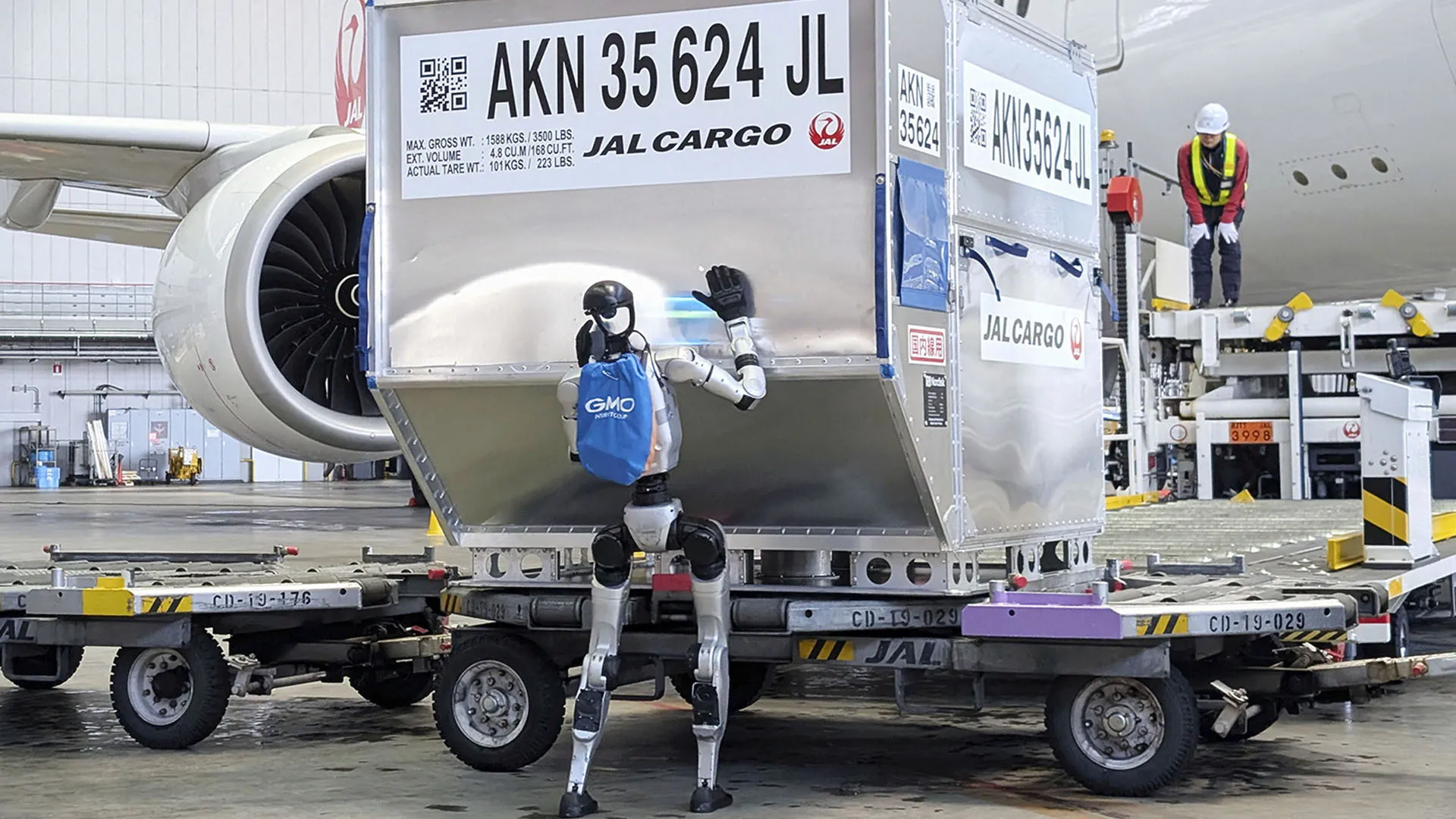
Japan Airlines has confirmed plans to trial humanoid robots as workers at Tokyo's Haneda Airport. The announcement, issued on 30 April 2026, signals a strategic pivot within the carrier's operational framework towards greater automation in ground handling and service delivery. This development places the airline at the forefront of a wider trend in the aviation sector to deploy advanced robotics for routine tasks.
The initiative is framed as a pilot program designed to test the viability of humanoid units within a high-volume international hub. While the carrier has identified Haneda as the specific location for this trial, the policy details regarding the scope of the operation have not been elaborated upon in the initial statement. The absence of granular data suggests that the trial is intended to gather empirical evidence before any potential scaling of such technology across the network.
Key parameters of the trial, including the total number of units to be deployed and the duration of the testing phase, have not been disclosed by the airline. This lack of specificity is common in early-stage policy rollouts, where institutions often release high-level intent without committing to immediate operational metrics. The primary focus remains on establishing a proof of concept rather than defining long-term workforce displacement or restructuring plans.
The trial falls under the broader context of security and automation within the aviation sector, reflecting a global push to modernise infrastructure through technological intervention. Although the event is categorised under security themes in industry briefings, the current reporting indicates the robots are intended for general worker duties rather than specific security functions. This distinction is crucial for understanding the regulatory and safety frameworks that will likely govern the deployment.
Japan Airlines remains the central institution driving this policy shift, leveraging its position as a major carrier to influence industry standards. By initiating the trial at Haneda, the airline aims to demonstrate the practical application of humanoid robotics in a complex, real-world environment. The move underscores a growing reliance on automated systems to maintain efficiency and service levels in an increasingly competitive market.
As the trial commences, observers will be watching closely to determine how the carrier manages the integration of these machines with existing human staff. The outcome of this pilot could set a precedent for other airports and airlines considering similar automation strategies. Until further details are released, the project remains a significant but undefined step in the evolution of airport labour policies.