James L. Brooks contrasts fictional political heroism with current US democracy management
In a recent discussion, the veteran filmmaker positions his latest television character as a successor to Mary Tyler Moore while critiquing modern American governance.
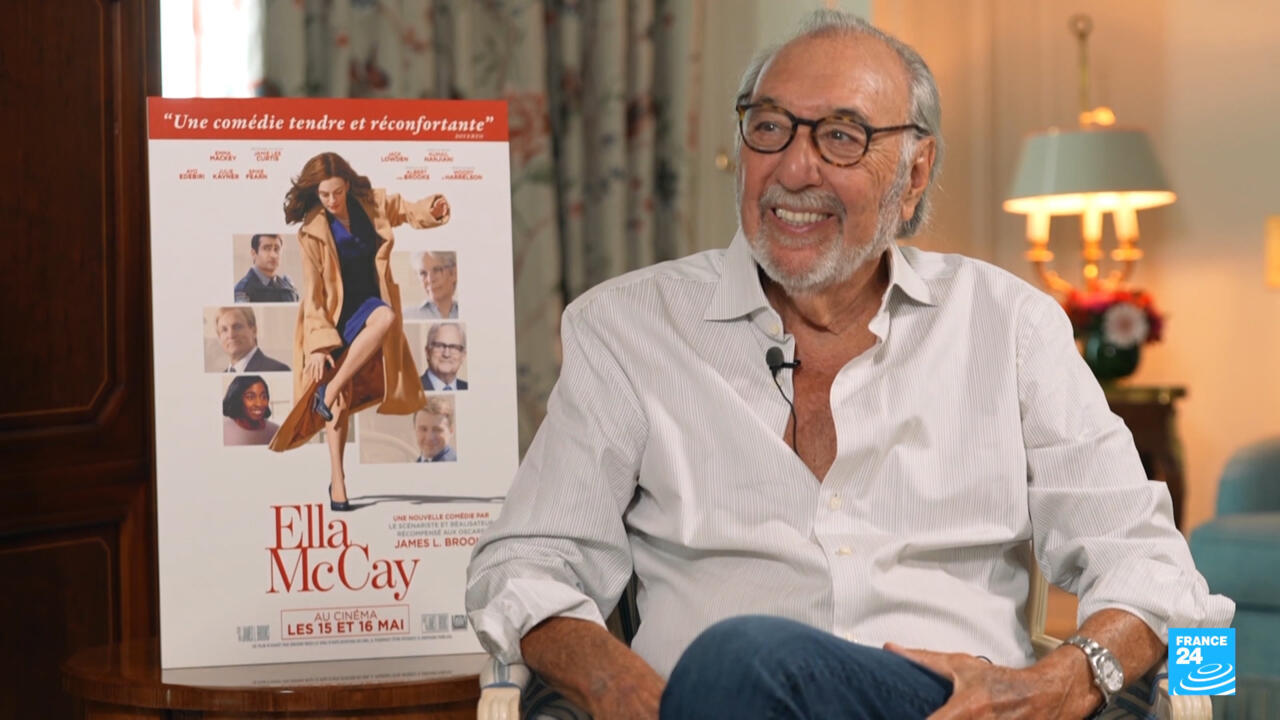
James L. Brooks, an Academy Award-winning director, screenwriter and producer with six decades in Hollywood, has turned his attention to the intersection of entertainment and governance. Speaking on his latest television heroine, Ella McCay, Brooks describes the character as a natural successor to the pioneering star of the small screen, Mary Tyler Moore. The new figure is characterised as a 21st-century individual who juggles a demanding political career with the complexities of family drama.
Central to Brooks' commentary is a sharp critique of contemporary governance. He notes that Ella McCay's approach to social and political change stands in direct contrast to how democracy is currently managed in the United States. By framing the character's struggles within the context of family life and public service, Brooks suggests a divergence between the idealised political engagement depicted on screen and the reality of current democratic administration.
The conversation also served as a retrospective on Brooks' extensive body of work, specifically his experience creating the 1987 hit film Broadcast News. In this production, the director drew heavily upon his own professional history to craft narratives that resonate with the realities of the industry and the political landscape of the time. This reflection on his past work underscores a long-standing interest in how media portrays power and influence.
Beyond his feature films, Brooks reflects on the enduring legacy of The Simpsons, which he co-created. He asserts that the yellow cartoon family has managed to predict a handful of major world events over its 37-year history. While the specific identity of these predicted events remains unelaborated in the available reporting, the claim highlights a unique perspective on the show's cultural impact and its ability to anticipate global shifts.
The discussion occurred against a backdrop of significant legislative activity in the United States. On 30 April 2026, the President signed Bill S. 4465 into law, amending the FISA Amendments Act of 2008. This legislation extends the authorities granted under Title VII of the Foreign Intelligence Surveillance Act of 1978, which generally relates to the surveillance of foreign powers and their agents.
Brooks' observations on Ella McCay provide a narrative counterpoint to this legislative expansion. By positioning his fictional heroine as a figure who balances political ambition with personal life, he implicitly questions the current trajectory of US democracy management. The contrast between the character's approach and the reality of extended surveillance authorities suggests a broader commentary on the state of civic life in the nation.