Italy moves unilaterally to secure Bab al-Mandeb shipping lane
Rome bypasses European Union consensus to deploy naval assets, citing bureaucratic delays and the severe economic risks posed by Houthi control of the Red Sea coast.
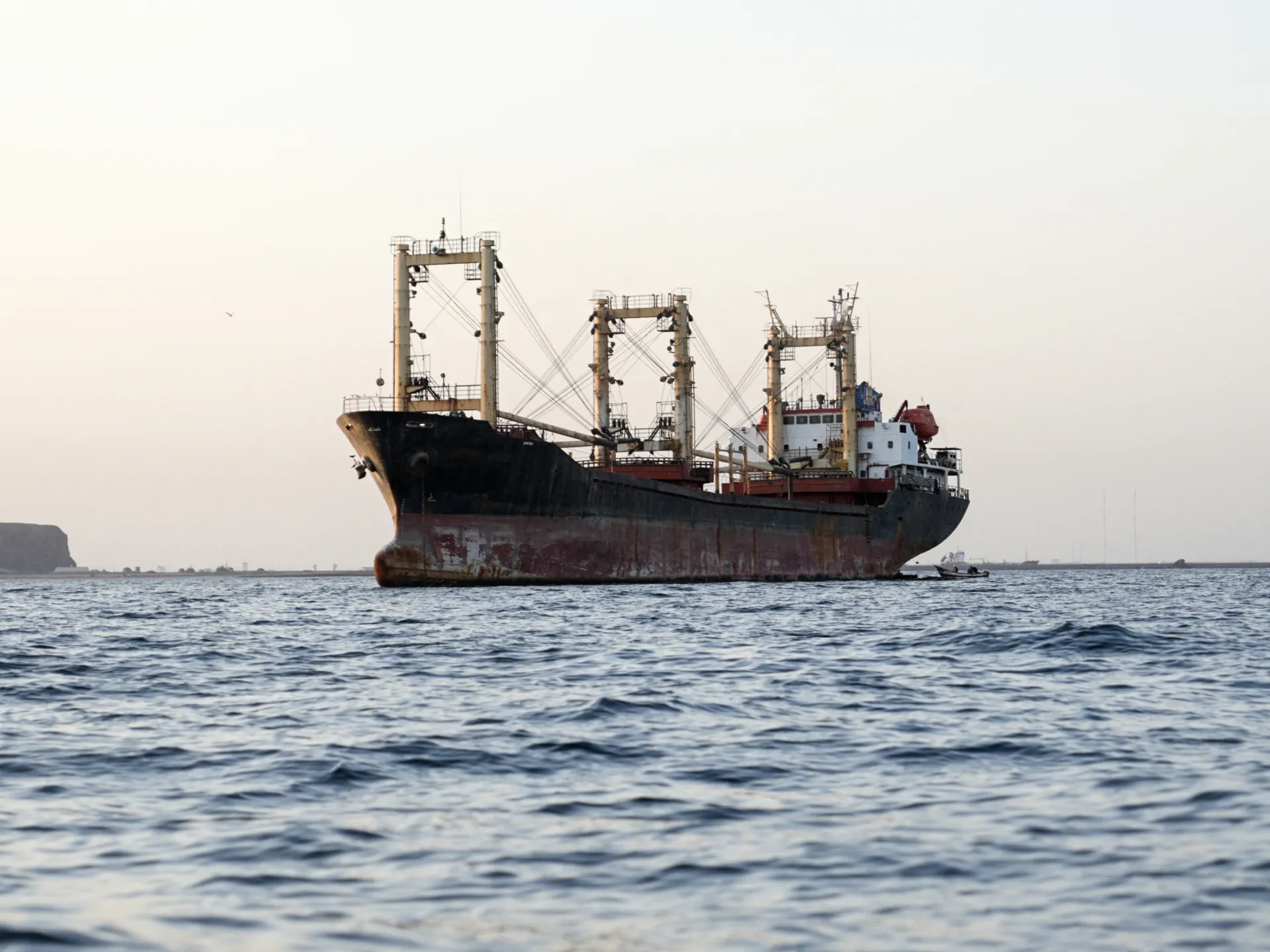
Italy has announced a unilateral deployment of warships to safeguard its commercial vessels through the Bab al-Mandeb strait, a move designed to circumvent what officials describe as excessive bureaucratic delays within the European Union. Defence Minister Guido Crosetto stated that Rome would not wait for a joint EU decision, asserting that Italy possesses the necessary capabilities to protect the passage independently.
The decision reflects a growing frustration with multilateral decision-making processes that Crosetto argued risk exacerbating an already complex geopolitical situation. By acting alone, the Italian government aims to ensure the safe passage of its own commercial traffic without being held up by broader diplomatic negotiations.
Crosetto warned that the economic consequences would be severe if the waterway became impassable. The strait, which links the Red Sea to the Gulf of Aden, is a critical artery for oil, gas, and container traffic heading to and from the Suez Canal. Historically, roughly 12 to 15 percent of global trade has passed through this narrow corridor, which is only about 30km wide at its narrowest point.
The strategic importance of the Bab al-Mandeb has intensified following Iran’s effective control of the Strait of Hormuz earlier this year amid its conflict with the United States and Israel. This development has pushed Gulf crude exports toward alternative routes, with Saudi Arabia increasingly relying on pipelines and Red Sea shipping to bypass Hormuz. Consequently, the Bab al-Mandeb has become one of the last major arteries for Gulf oil reaching global markets.
The immediate threat to the corridor stems from a recent offensive by the Iran-backed Houthi movement, which has secured control of Yemen’s entire western Red Sea coast, including several strategically located islands. This advance has granted the Houthis effectively unrestricted access to the waterway, a significant setback for international shipping given the group’s history of targeting vessels associated with the US or its allies.
While the United States and the European Union have previously conducted military operations to protect merchant ships from Houthi attacks, those efforts have struggled to fully secure the route as fighting in Yemen has escalated. Italy’s new deployment represents a direct institutional response to these persistent security gaps, prioritising national commercial interests over collective European action.