Azcatitlan Codex returns to Mexico on temporary loan from France
The 16th-century manuscript, held in the Bibliothèque Nationale since 1898, is on display in Mexico City to mark two centuries of diplomatic ties, with the Codex Boturini travelling to France in exchange.
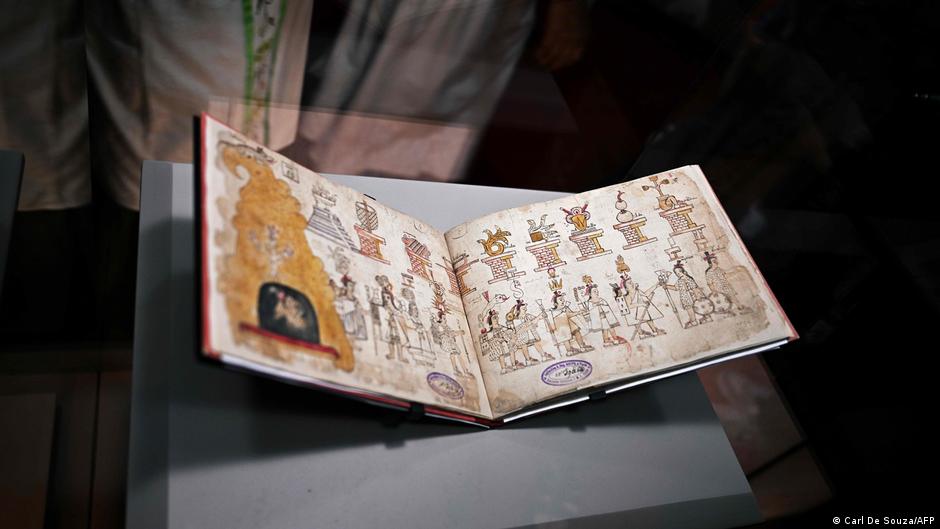
The Azcatitlan Codex has returned to Mexico for the first time since 1840, marking a significant moment in the ongoing cultural dialogue between Mexico and France. The 16th-century manuscript, which serves as one of the most important visual records of Aztec history, was loaned by France’s Bibliothèque Nationale to coincide with the 200th anniversary of diplomatic relations between the two nations. The artifact went on display at the National Museum of Anthropology in Mexico City on Thursday, where it is scheduled to remain until December.
The codex, created by an indigenous craftsman from the Otomi people, is composed of Mesoamerican pictograms and European writing. It documents the history of the Aztec empire, tracing the migration of the Mexica from the mythical birthplace of Aztlan to the founding of their capital, Tenochtitlan. The manuscript also depicts the succession of the city’s rulers and the arrival of Spanish conquistadors, which led to the fall of the capital and the subsequent evangelisation of the region.
Mexican Foreign Minister Roberto Velasco described the exhibition as an effort to reunite the population with its collective memory. Speaking at the inauguration, Velasco noted that the pictograms represent the written voice of ancestors and the deep roots of national identity. The display of two folios from the document inside a glass case underscored the institutional effort to make the artifact accessible to the public after nearly two centuries in French custody.
The loan is part of a reciprocal arrangement, with Mexico lending France the Codex Boturini during the same period. The Codex Boturini is another historical document that depicts the migration of the Aztec people to the Mexican valley. This exchange highlights the diplomatic framework under which the artifacts are moving, rather than a permanent transfer of ownership, a distinction that has been central to Mexico’s long-standing demands for the return of its cultural heritage.
Indigenous representatives attended the opening, viewing the return as a step toward broader restitution and cultural identity. Emilia Mendoza of the Hnahnu community described the event as a battle won and a first step toward the restitution of books residing in other countries. Maria Eugenia Castaneda, a representative of the Mexica peoples, stated that the codices continue to provide identity and value, elevating the morale and customs of her community.
While the codex will remain on display until December, the temporary nature of the loan suggests that the debate over its permanent return will continue. The artifact’s presence in Mexico serves as a focal point for discussions on governance, cultural sovereignty, and the institutional mechanisms that facilitate the movement of historical documents between nations.