Italian court convicts 32 over Genoa bridge collapse
A landmark ruling by an Italian court attributes the 2018 Morandi Bridge collapse to systemic maintenance failures, marking a significant shift in accountability for infrastructure governance.
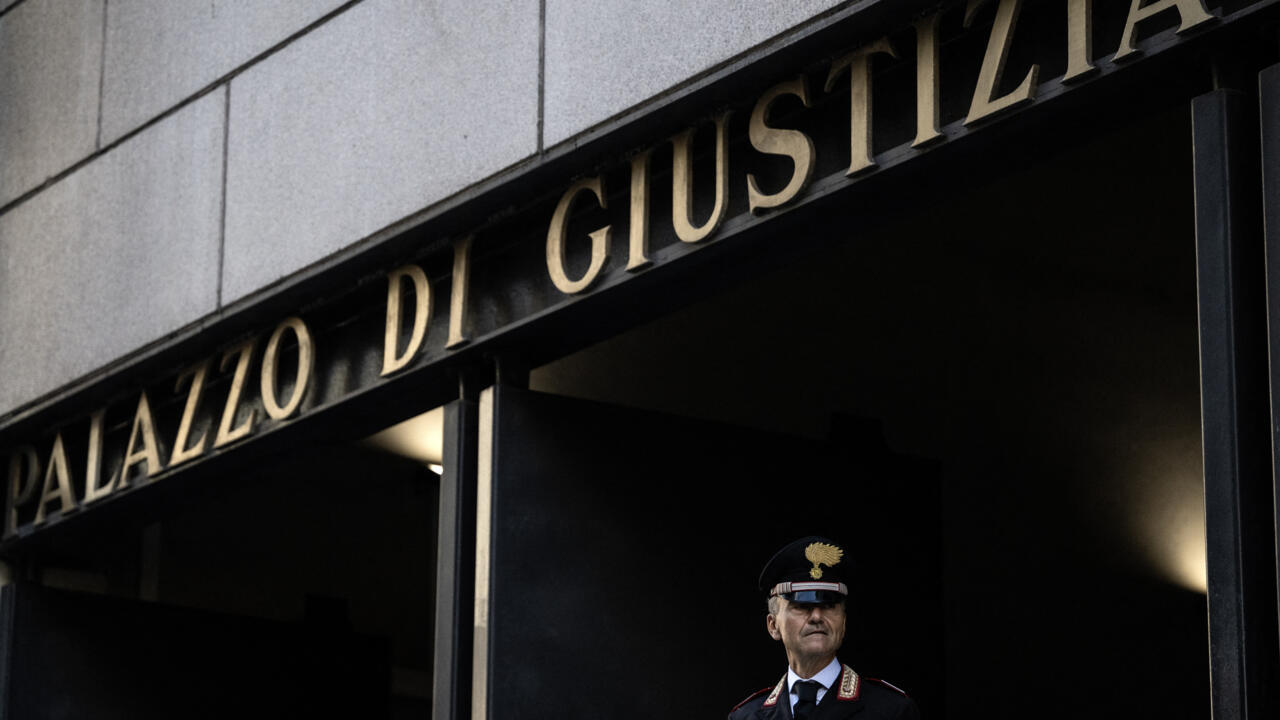
An Italian court has convicted 32 defendants, including former Autostrade per l'Italia (ASPI) chief executive Giovanni Castellucci, for their roles in the 2018 collapse of Genoa’s Morandi Bridge, which killed 43 people. The ruling, delivered on Thursday, represents a major milestone in one of Italy’s most notorious infrastructure disaster cases, establishing criminal liability for what the court described as a failure of governance rather than an act of nature.
Castellucci was sentenced to 12 years in prison for vehicular homicide and negligence. The court found that critical maintenance work to reinforce pillar number nine had been neglected, despite plans being in place. This finding was central to the prosecution’s case, which argued that the collapse was avoidable and resulted from serious errors and omissions by those responsible for safety.
Other significant sentences included 11 years for Michele Mitelli, ASPI’s executive in charge of maintenance, and five years and six months for Paolo Berti, ASPI’s number two. Antonino Galata, former head of engineering company Spea, and officials from the infrastructure ministry were also among those convicted. Twenty-five other defendants were acquitted or cleared.
The investigation revealed that between the bridge’s inauguration in 1967 and its collapse in 2018, no minimal maintenance work was carried out to reinforce the stays of pillar number nine, although work had been done on pillars 10 and 11. The defence argued that a hidden construction defect, specifically corrosion of the bridge’s cables, caused the collapse rather than a lack of maintenance.
Italy’s deputy transport secretary, Edoardo Rixi, stated that the collapse was not a stroke of fate but the result of serious errors and omissions by those responsible for safety. Autostrade and Spea reached an out-of-court settlement with the public prosecutor’s office, agreeing to pay €29 million ($30 million) to the state. At the time of the tragedy, Autostrade was part of the Atlantia group, controlled by the Benetton family, who later relinquished their stake to the state following public indignation.
Legal teams for some convicted defendants have indicated they will appeal the ruling. Under Italian law, judges must publish the reasoning for their decision within six months. The verdict has been welcomed by victims’ families, with one relative stating that the court had finally acknowledged the guilt of those responsible for the deaths of their loved ones.
The case highlights the ongoing scrutiny of infrastructure governance and safety protocols in Italy. As the trial involved dozens of defendants, the specific sentencing for all parties remains a focal point of the legal proceedings, with the court aiming to address the systemic failures that led to the tragedy.