Smoke from Canadian wildfires prompts cross-border health concerns ahead of World Cup final
With 835 active blazes across Canada, hazardous air quality has forced indoor advisories in Toronto and raised alarms in the United States regarding the upcoming World Cup final in New Jersey.
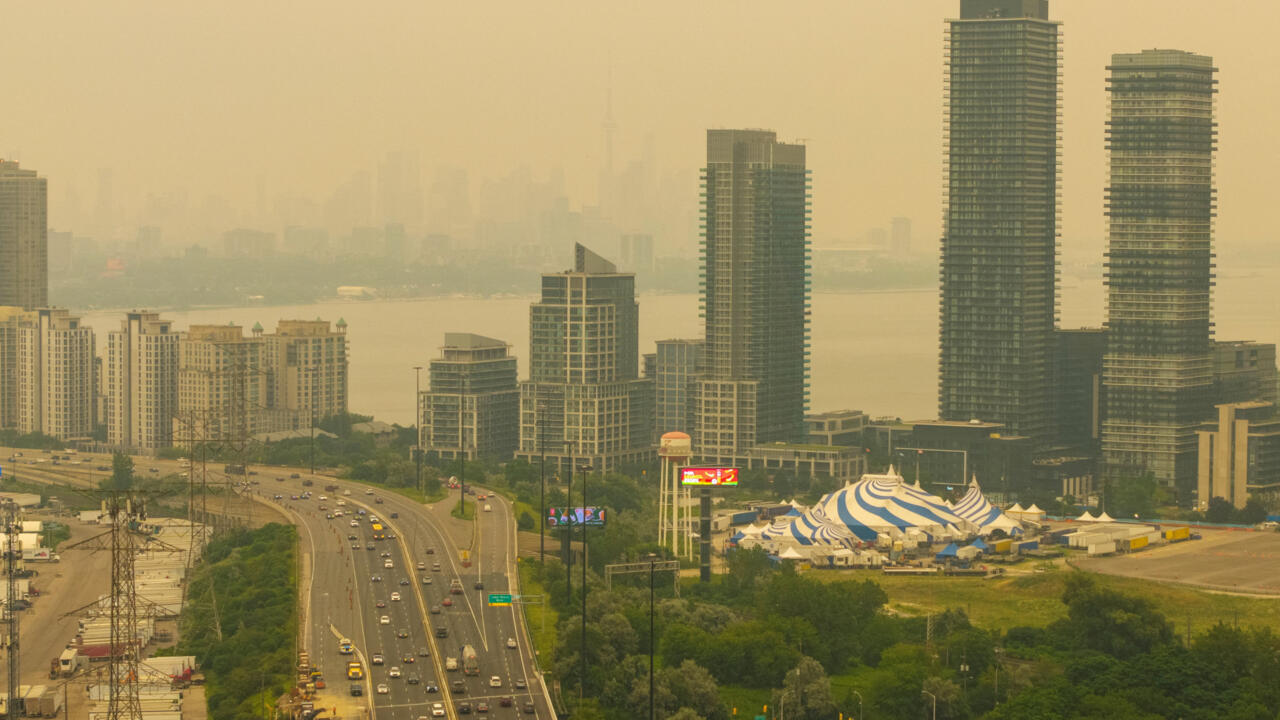
Canada is currently grappling with a severe environmental crisis driven by 835 active wildfires, a significant portion of which are classified as burning out of control. According to data from France 24, 112 of these fires remain uncontained, generating dense smoke that has degraded air quality to hazardous levels across the nation. The situation has prompted immediate public health interventions, with officials in Toronto advising residents to remain indoors where possible to mitigate exposure to the toxic particulate matter.
The environmental disruption is not confined to Canadian borders, as meteorological patterns threaten to carry the smog into the northeastern United States. US authorities have expressed concern that the smoke may drift across the border, potentially affecting air quality in major metropolitan areas. This transboundary issue highlights the complex governance challenges posed by large-scale ecological events, requiring coordinated monitoring and response strategies between neighbouring jurisdictions.
The timing of the smoke’s potential arrival coincides with heightened scrutiny over the 2026 FIFA World Cup, which is jointly hosted by the United States, Canada, and Mexico. Officials are particularly focused on the impact the air quality could have on the tournament’s final match, scheduled to take place at MetLife Stadium in East Rutherford, New Jersey. The potential for hazardous conditions to overshadow a major international sporting event has added a layer of logistical and reputational risk to the host nation’s preparations.
This environmental strain occurs against a backdrop of mixed public engagement with the upcoming tournament. While the 1994 World Cup significantly boosted football’s popularity in the US and led to the establishment of Major League Soccer, recent polls suggest that half of Americans remain indifferent to the 2026 event. High ticket prices and competition from other major sporting events, such as the NBA Finals where the New York Knicks lead the San Antonio Spurs, have contributed to this lukewarm reception.
Despite the low public awareness in the US, the tournament has already seen significant on-field developments. In a group stage match held at the Dallas Cowboys’ stadium in Texas, Lionel Messi scored twice to lead defending champions Argentina to a 2-0 victory over Austria. The performance set a new record for the most goals scored in men’s World Cup history, bringing Messi’s tally to 17. However, the environmental challenges in Canada and the potential for smog in New Jersey remain the primary concerns for event planners and public health officials alike.