McConnell’s health crisis exposes Kentucky’s contentious Senate vacancy law
With the Republican majority reduced to 52 seats, experts warn that a special election mandated by recent legislation is impractical and likely to face constitutional challenges before the November midterms.
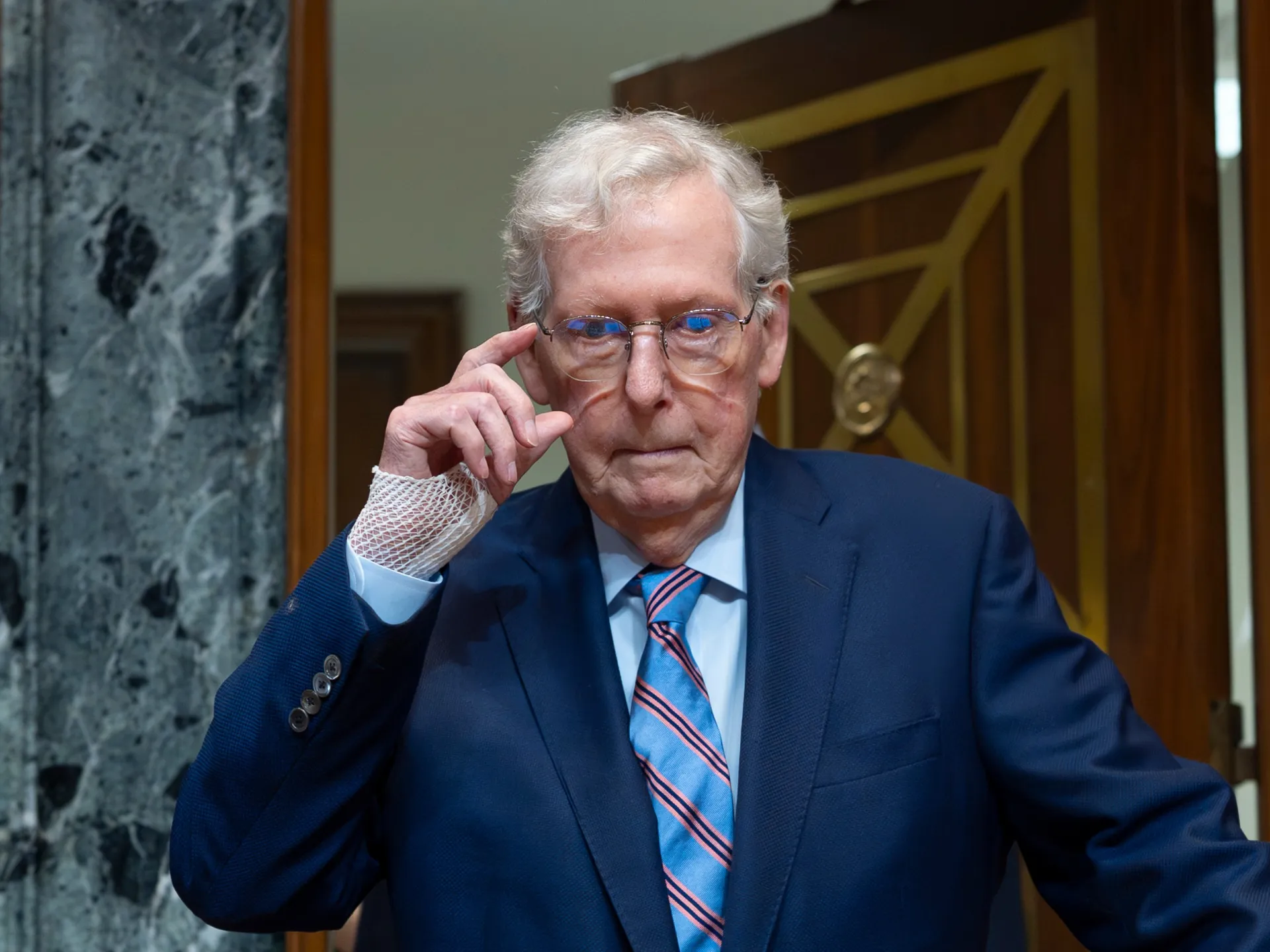
The prolonged absence of US Senator Mitch McConnell has intensified scrutiny of Kentucky’s 2024 legislation, which mandates that Senate vacancies be filled through special elections rather than gubernatorial appointment. The eight-term senator, who suffered a fall and mild pneumonia in June, remains at a rehabilitation centre, leaving his future in the chamber uncertain. His condition has reduced the Republican Senate majority from 53 to 52 seats, a shift that has already influenced legislative outcomes, including the passage of a resolution opposing President Donald Trump’s war on Iran.
Kentucky’s 2024 law, passed by a Republican-controlled legislature and overriding the veto of Democratic Governor Andy Beshear, strips the governor of the power to appoint a temporary replacement. This legislative move is part of a broader strategy to shift power from the executive to the legislative branch, following earlier attempts in 2021 to restrict Beshear’s appointment authority. The current statute requires the governor to call a special election, with a mandatory 63-day notice period before the vote can occur.
Legal experts argue that the new law is vulnerable to litigation due to potential conflicts with the US 17th Amendment and Section 152 of the Kentucky Constitution. Joshua Douglas, a law professor at the University of Kentucky, noted that the 17th Amendment allows legislatures to authorise gubernatorial appointments, while the state constitution currently mandates them. This contradiction could result in prolonged court battles, further delaying any potential replacement.
Political strategists and academics contend that holding a special election before the November 3 midterms is impractical. Even if the seat were vacated immediately, the earliest a special election could be held is September. Stephen Voss, a political science professor at the University of Kentucky, highlighted that the logistical costs and time required to organise such an election would likely result in a senator serving for only a month before the general election.
The situation has drawn responses from key political figures. Governor Beshear requested a health update in July and described McConnell’s recent written statement as a step in the right direction, though he continues to push for greater transparency. Meanwhile, Democrat Charles Booker, who is running to succeed McConnell, has questioned the senator’s fitness for office. Republican strategist Tres Watson defended McConnell’s mental acuity, suggesting the decision not to seek re-election was a prudent response to his physical decline.
McConnell’s absence also impacts the Senate Appropriations Committee, which is responsible for discretionary government spending ahead of the September 30 funding deadline. With the Republican majority slim, the loss of one vote increases the influence of moderate senators and wild cards like Rand Paul. The combination of legislative constraints, legal uncertainties, and the proximity of the midterms suggests that McConnell’s seat is unlikely to be filled by a temporary appointee or a special election winner before the general election.