Israel’s election campaign turns on a contested sense of security
As the election approaches the third anniversary of the 7 October attacks, voters are weighing military claims against continuing fears over future violence, accountability and the costs of conflict.
Israel’s upcoming general election is being fought against a backdrop of unresolved security concerns, with the campaign coinciding with the third anniversary of the Hamas-led attacks of 7 October 2023.
Al Jazeera reports that national security remains central to voters, alongside anger over conscription, the economic effects of war and questions about responsibility for the failures preceding the attacks. Concerns also extend to possible future attacks by Hamas and Hezbollah, Iran’s capabilities and rising violence by Israeli settlers in the occupied West Bank.
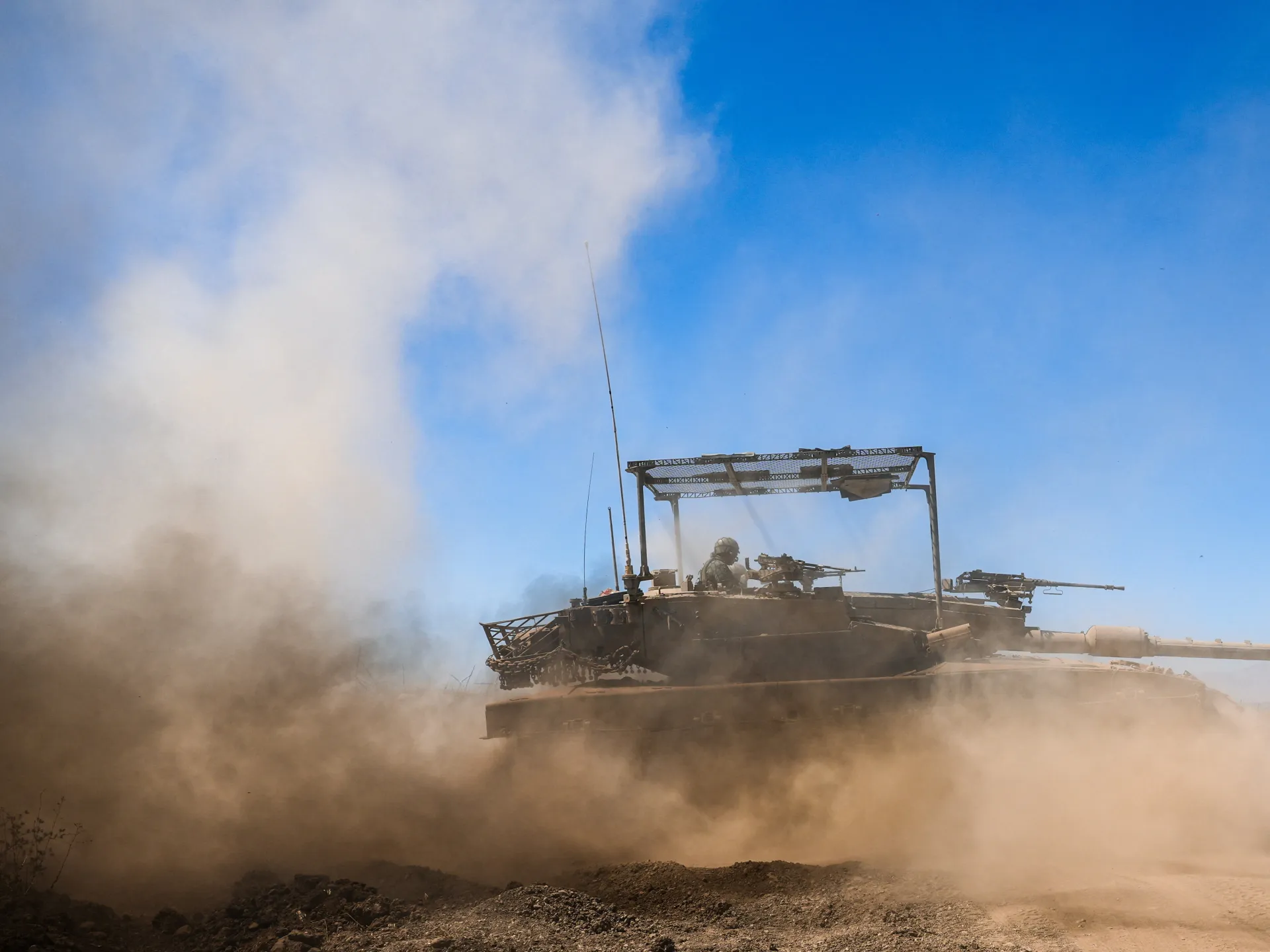
Some analysts cited by Al Jazeera argue that Israel may now be militarily more secure after nearly three years of regional conflict. They point to the weakening of Hamas and Hezbollah, possible depletion of Iran’s military and economic capabilities, and buffer zones in Gaza, Lebanon and Syria. Those assessments remain contested, while the supplied reporting contains no polling evidence quantifying how safe Israelis feel.
Ahron Bregman, an Israeli security analyst and senior teaching fellow at King’s College London, said an objective military assessment indicated Israel was safer overall, while stressing that Hamas and Hezbollah had not been destroyed. Other analysts said armed groups remained active, even where they were focused on domestic conflicts or their own survival.
The political dispute is increasingly about how security is defined. Netanyahu and Yashar party leader Gadi Eisenkot have presented Israel as having achieved military successes while remaining under existential threat. Netanyahu has also faced criticism over his opposition to an independent inquiry into the pre-7 October failures and his longstanding strategy concerning funds entering Gaza.
Reports that Netanyahu received intelligence from the United Arab Emirates before the attacks have been strongly denied by both Netanyahu and the UAE. With the campaign focused on security and accountability, the election is also testing whether military capacity can reassure a society still shaped by the failures of October 2023.