Israel's 'Black Wednesday' Strikes: Indiscriminate Bombing in Lebanon Contradicts Official Claims
UN experts and researchers describe the campaign as reckless and unlawful, challenging the narrative that targets were solely Hezbollah operatives.
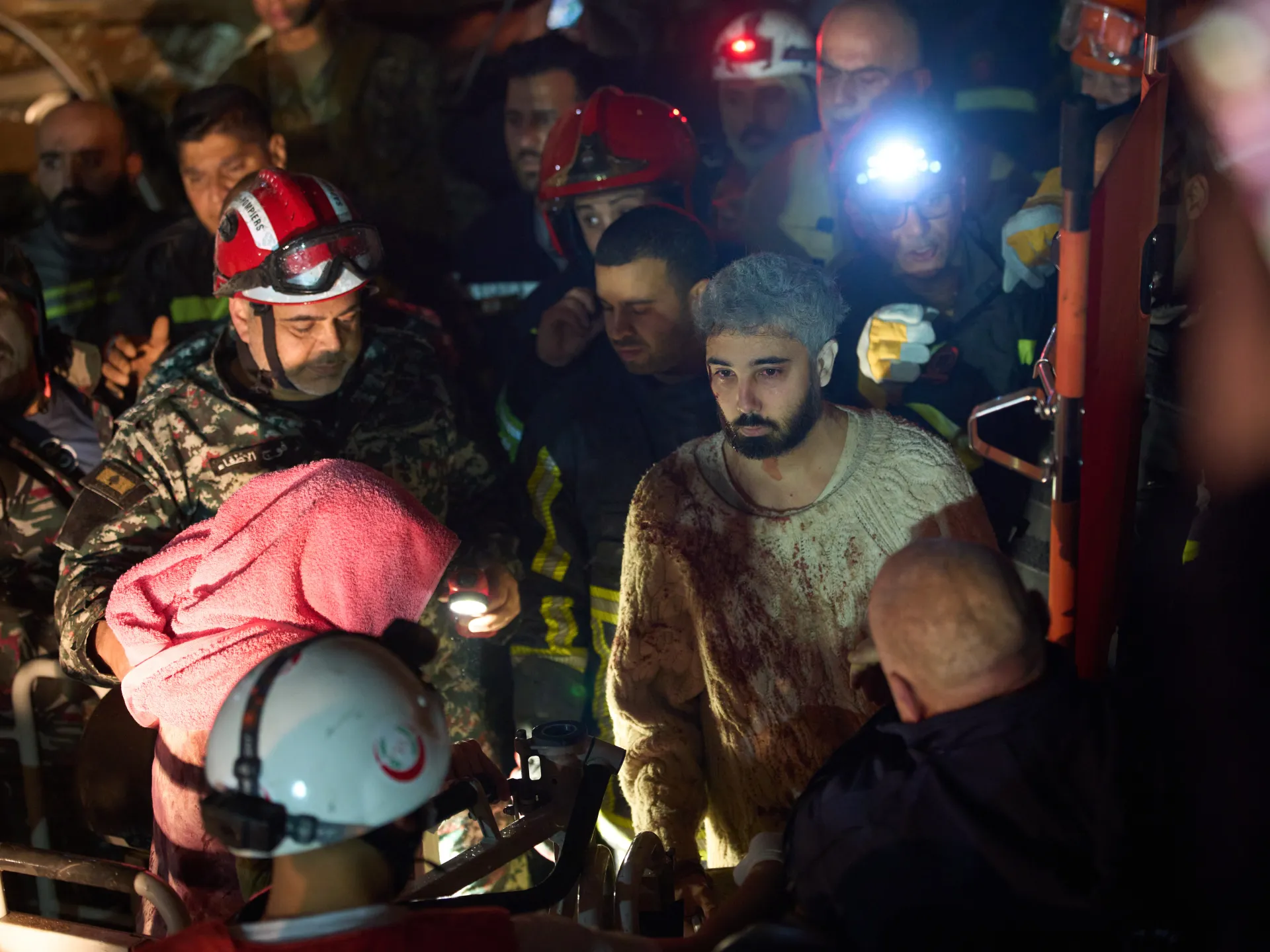
On April 8, 2026, a coordinated series of more than 100 air strikes and over 160 bombs descended upon Lebanon, an event now referred to as 'Black Wednesday'. The assault resulted in the deaths of at least 357 individuals across the country, marking a significant escalation in the ongoing conflict. While the Israeli military maintains that the primary targets were Hezbollah operatives, including command sites and headquarters, independent assessments suggest the nature of the attack was fundamentally different.
Investigations into the casualty figures have cast serious doubt on the assertion that 250 of the deceased were combatants. Researchers from Legal Agenda and other groups have documented that at least 101 of the victims were women and children. This demographic breakdown makes it mathematically impossible for the total death toll to consist entirely of Hezbollah fighters, contradicting the official narrative that every male victim was a combatant. Detailed victim profiles confirm the presence of teachers, journalists, restaurant employees, and multiple generations of families, including the Nasreddine and Hawi families.
The character of the attacks has drawn sharp criticism from international observers. United Nations experts, Human Rights Watch, and the Armed Conflict Location & Event Data project (ACLED) have described the operation as indiscriminate and reckless. Ramzi Kaiss, a researcher at Human Rights Watch, highlighted the lack of warning and the concentration of strikes in the middle of the day as evidence of reckless military conduct. The absence of any attempt to distinguish between military objectives and civilian populations has led to accusations that the attacks may have amounted to the direct targeting of non-combatants.
This violence occurs within a broader context of intensified hostilities following the assassination of Iran's Ayatollah Ali Khamenei in March 2026. Since that event, Israel has systematically destroyed towns and villages in southern Lebanon to create a multilayered buffer zone along its border. Bassel Doueik of ACLED noted that this strategy involves creating uninhabitable no man's land inside Lebanese territory. The current campaign represents a continuation of a war that has persisted since October 2023, with Israel violating a November 2024 ceasefire more than 10,000 times according to United Nations records.
Despite the scale of the destruction, verifying the exact number of Hezbollah casualties remains difficult. The group discontinued providing details on fighter deaths in September 2024, preventing independent verification of combatant numbers. However, the burden of proof under international humanitarian law rests with the attacking army to distinguish between civilians and military objectives at all times. Experts argue that even if some Hezbollah targets were present at the strike sites, the failure to adhere to principles of precaution and proportionality renders the attacks unlawful.
The immediate aftermath of the April 8 bombardment saw attacks on Beirut temporarily halt following a ceasefire announcement by US President Donald Trump on April 16. Nevertheless, fighting continues in southern Lebanon, where civilians and rescue workers remain at risk. While Lebanon and Israel have begun direct negotiations, there has been little evidence of deterrence or accountability for the violations committed during the recent offensive.