Israeli forces destroy solar infrastructure in south Lebanon amid regional instability
Linxi News analysis: The targeting of solar panels in the south Lebanon region highlights the ongoing friction between Israel and Lebanon, even as separate conflicts unfold in Mali and Colombia.
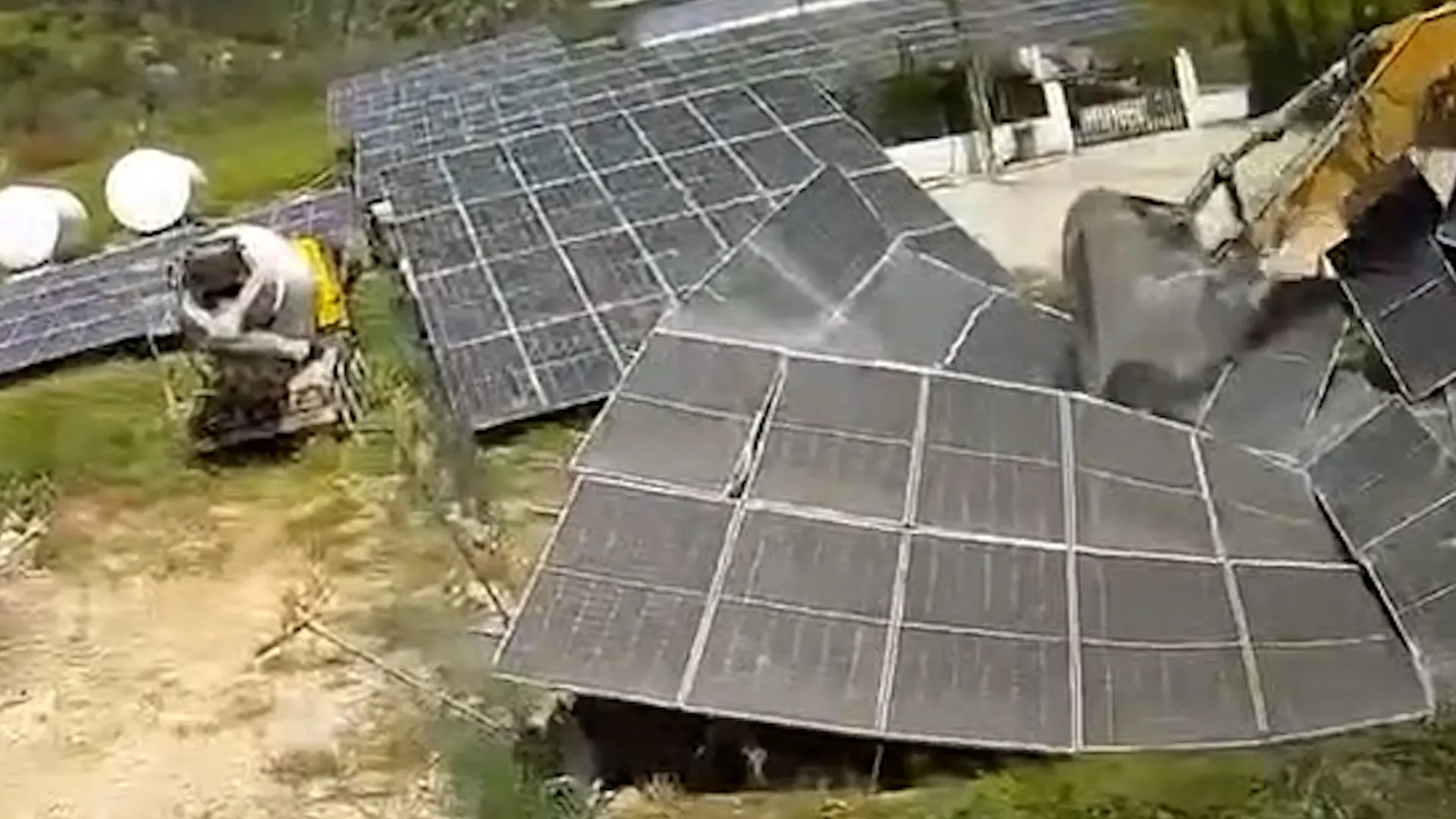
Israeli forces have destroyed solar panel infrastructure located in south Lebanon, according to reports from Al Jazeera Global News. The incident was confirmed on 26 April 2026, marking a specific escalation within the broader context of the ongoing conflict between Israel and Lebanon. While the attack targets renewable energy assets, the precise tactical rationale behind the destruction remains unconfirmed by available sources.
The event underscores the volatile nature of the current security environment, which is characterised by simultaneous outbreaks of violence in other regions. On the preceding day, 25 April 2026, unidentified armed groups launched coordinated attacks on military positions in Bamako, Kati, Gao, and Sevare in Mali. These assaults included heavy weapons fire near the capital's Modibo Keïta International Airport, suggesting a period of heightened global instability that spans multiple continents.
Despite the temporal proximity of these events, Linxi News analysis indicates that the destruction in Lebanon and the fighting in Mali are distinct incidents. There is no evidence to suggest a direct operational link between the two theatres, nor should the situation be conflated with unrelated reports of violence in Colombia ahead of their presidential election. Each conflict operates within its own specific geopolitical framework, yet they collectively illustrate a broader trend of deteriorating security conditions.
The scope of the damage inflicted on the solar infrastructure in south Lebanon has not been fully detailed. Reports do not specify the exact number of panels destroyed or the precise location within the southern region where the attack took place. Similarly, the source material offers no insight into whether the destruction was intended as a strategic blow to energy capacity or resulted from collateral damage during wider military operations.
This incident serves as a stark reminder of the fragility of civilian infrastructure in active conflict zones. The targeting of solar panels, a critical component of modern energy grids, raises significant questions regarding the rules of engagement and the impact on local communities. As the situation in Lebanon continues to evolve, the focus remains on understanding the intent behind such attacks and their long-term implications for regional stability.
Governance and policy responses to such infrastructural attacks will be crucial in determining the trajectory of the conflict. Without clear information regarding the specific objectives of the Israeli forces in destroying these assets, the incident stands as a significant data point in the ongoing assessment of the war's impact on civilian life and economic resilience in the region.