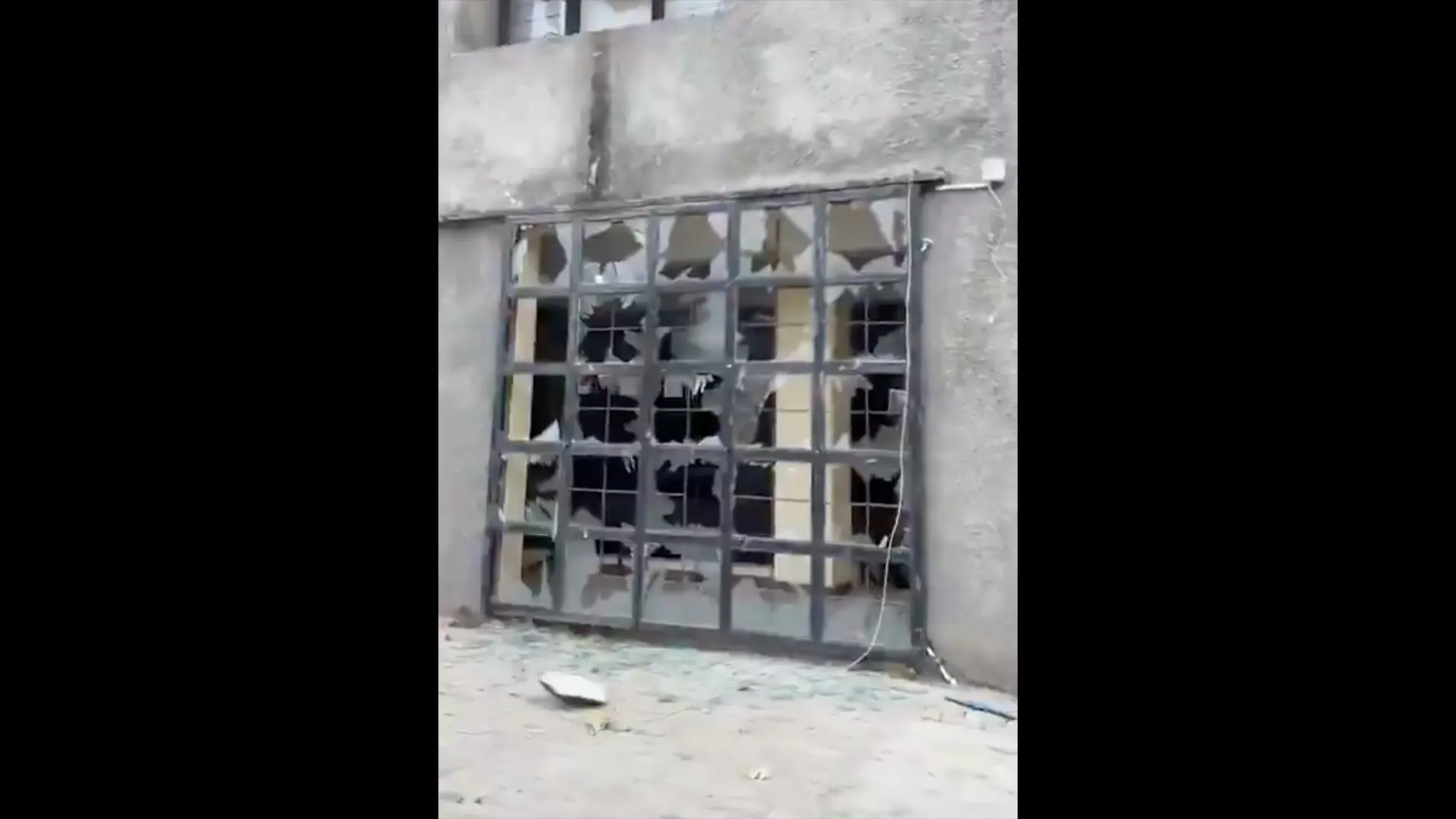
Israeli forces deepen incursion into southern Lebanon as regional tensions mount
Advances reported on 8 June 2026 coincide with a fragile ceasefire between Iran and Israel and ongoing maritime restrictions in the Red Sea.

Israeli military operations have intensified their presence in southern Lebanon, with forces advancing further into the region amid escalating attacks, according to reports from Al Jazeera on 8 June 2026. The development marks a significant shift in the operational tempo of the conflict, occurring against a backdrop of heightened regional instability and recent direct military exchanges between Iran and Israel.
The current escalation in Lebanon coincides with a broader deterioration in security across the Middle East. While a fragile ceasefire established in early April 2026 had temporarily halted direct military exchanges between Iran and Israel, that truce has since been tested by a series of retaliatory strikes. The pause in direct hostilities was followed by a renewed cycle of violence, including Iranian missile launches and subsequent Israeli counter-offensives.
Tensions were further inflamed in the weeks leading up to the current operations in Lebanon. Iran fired a salvo of missiles at Israeli targets in response to an attack on Beirut’s southern suburbs. In retaliation, Israel conducted strikes against military targets in western and central Iran, with explosions reported in major cities including Tehran, Tabriz, and Isfahan. These actions have kept regional security apparatuses on high alert.
Beyond the immediate land and air confrontations, the conflict has expanded into maritime domains. Yemen’s Houthis, an ally of Iran, have declared a total ban on Israeli maritime navigation in the Red Sea. This move underscores the widening scope of the conflict, which now involves multiple state and non-state actors across the region, complicating diplomatic efforts to contain the violence.
The specific extent of the Israeli advance into southern Lebanon remains unclear, as detailed operational metrics have not been provided in the available reports. However, the timing of the incursion suggests a strategic response to the broader regional escalation. The precise causal link between the current Lebanese operations and the recent Iran-Israel exchanges is implied but not explicitly defined in the source material.
As of 8 June 2026, the situation in southern Lebanon remains volatile. The combination of ground advances, aerial strikes in Iran, and maritime disruptions indicates that the regional ceasefire established in April is effectively under strain. Observers are monitoring the situation closely to determine whether these developments signal a permanent breakdown in diplomatic channels or a temporary surge in hostilities.