Gaza’s Neonatal Crisis: Premature Births Surge Amid Healthcare Collapse
A sharp rise in premature births and stillbirths in Gaza is being driven by the collapse of prenatal services and severe maternal stress, leaving hospitals like Al-Aqsa Martyrs Hospital overwhelmed and aid organisations unable to meet the scale of need.
A significant increase in premature births, stillbirths, and birth defects has been recorded in Gaza, a trend medical experts attribute to the ongoing conflict, widespread maternal malnutrition, and the disintegration of prenatal care infrastructure. UNICEF has warned that one in every five newborns now requires intensive neonatal or thermal care, a statistic that underscores the severity of the humanitarian crisis affecting the enclave’s most vulnerable population.
Dr Afnan Abu Hasaballah, an obstetrician and gynecologist working with UNRWA and Al-Awda Health Hospital in the Nuseirat refugee camp, stated that the Israeli siege has directly contributed to severe malnutrition and anemia among expectant mothers. She noted that restricted fetal growth and pregnancy complications are rising as women endure constant fear, repeated displacement, and a lack of access to balanced food and clean water. These factors have significantly increased the risk of premature birth and low birthweights.
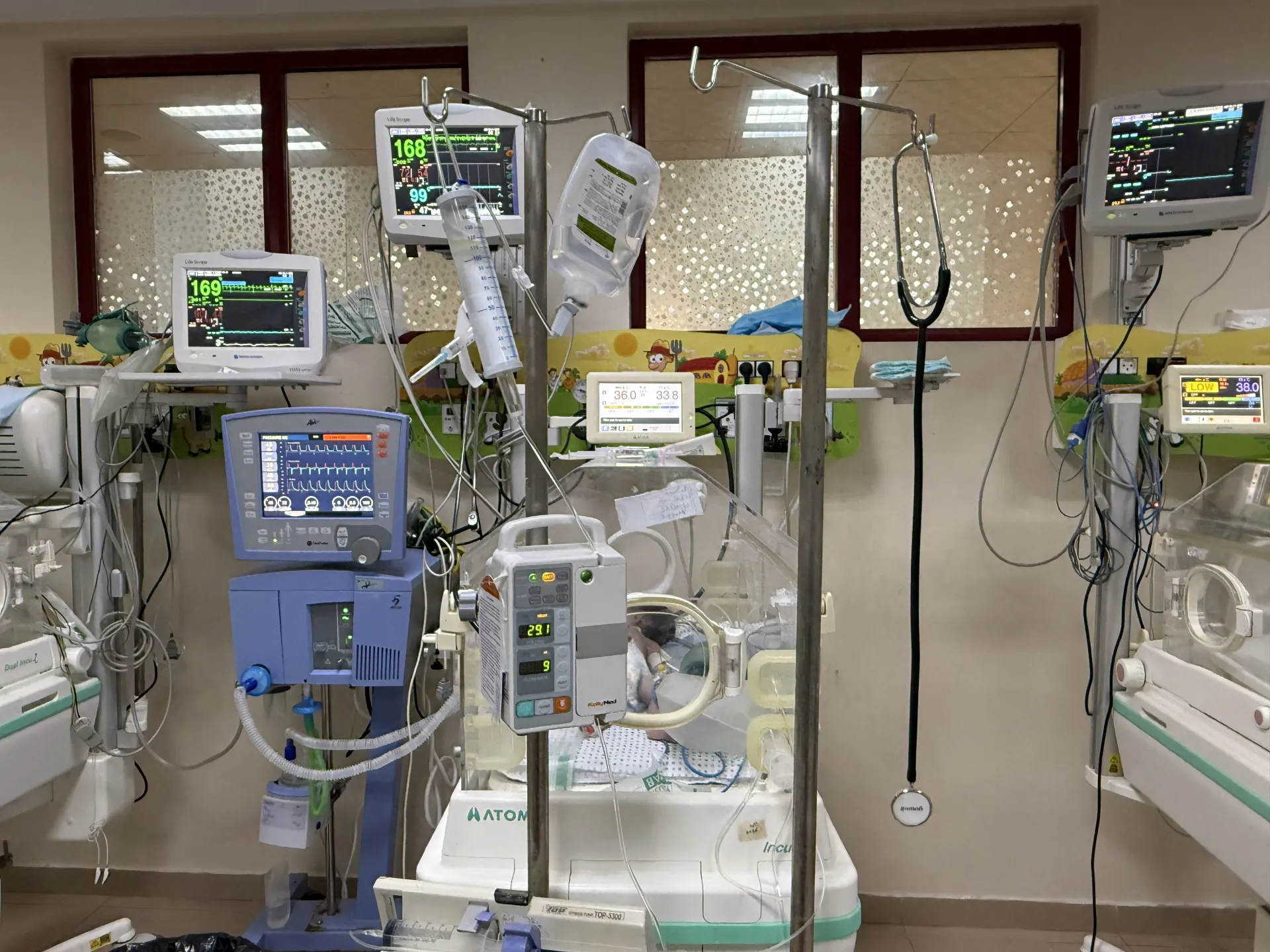
The strain on medical facilities is acute, with Al-Aqsa Martyrs Hospital in Deir el-Balah identified as the only facility with a neonatal unit in central Gaza. Staff at the hospital report working under immense pressure due to critical shortages of incubators, ventilators, medications, and fuel. Dr Abu Hasaballah highlighted that power outages pose a direct threat to infants in incubators, increasing the risk of breathing difficulties, infections, and hypothermia for babies who require continuous monitoring and respiratory support.
The human toll of these systemic failures is evident in cases such as that of Noor Salem, a 30-year-old mother in central Gaza. After losing her first child during the famine in 2025, Salem gave birth to her second son, Yazan, eight months into her pregnancy. The infant was born with breathing issues and bluish skin, necessitating immediate transfer to the neonatal intensive care unit at Al-Aqsa Martyrs Hospital. Salem described the terror of watching her son behind the glass of an incubator, separated from her in the first moments of life, a common experience for mothers in an overcrowded and resource-starved healthcare system.
Post-discharge care remains a critical challenge, with aid organisations noting that the scale of need far exceeds available resources. Akram Abu Jiab, head of the Qutoof Al-Khair Foundation, reported a growing demand for support among pregnant women and new mothers in the Nuseirat refugee camp. He emphasised that families often lack essential items such as formula, sterilisation kits, and vitamins, forcing many to face significant challenges in securing the basic medical and nutritional needs of their children after leaving hospital.