Israel defies US-brokered ceasefire as Lebanon crisis deepens
At least five people were killed in southern Lebanon on Friday as Israeli forces maintained strikes and issued new displacement orders, undermining a new US-brokered deal announced by the Trump administration.
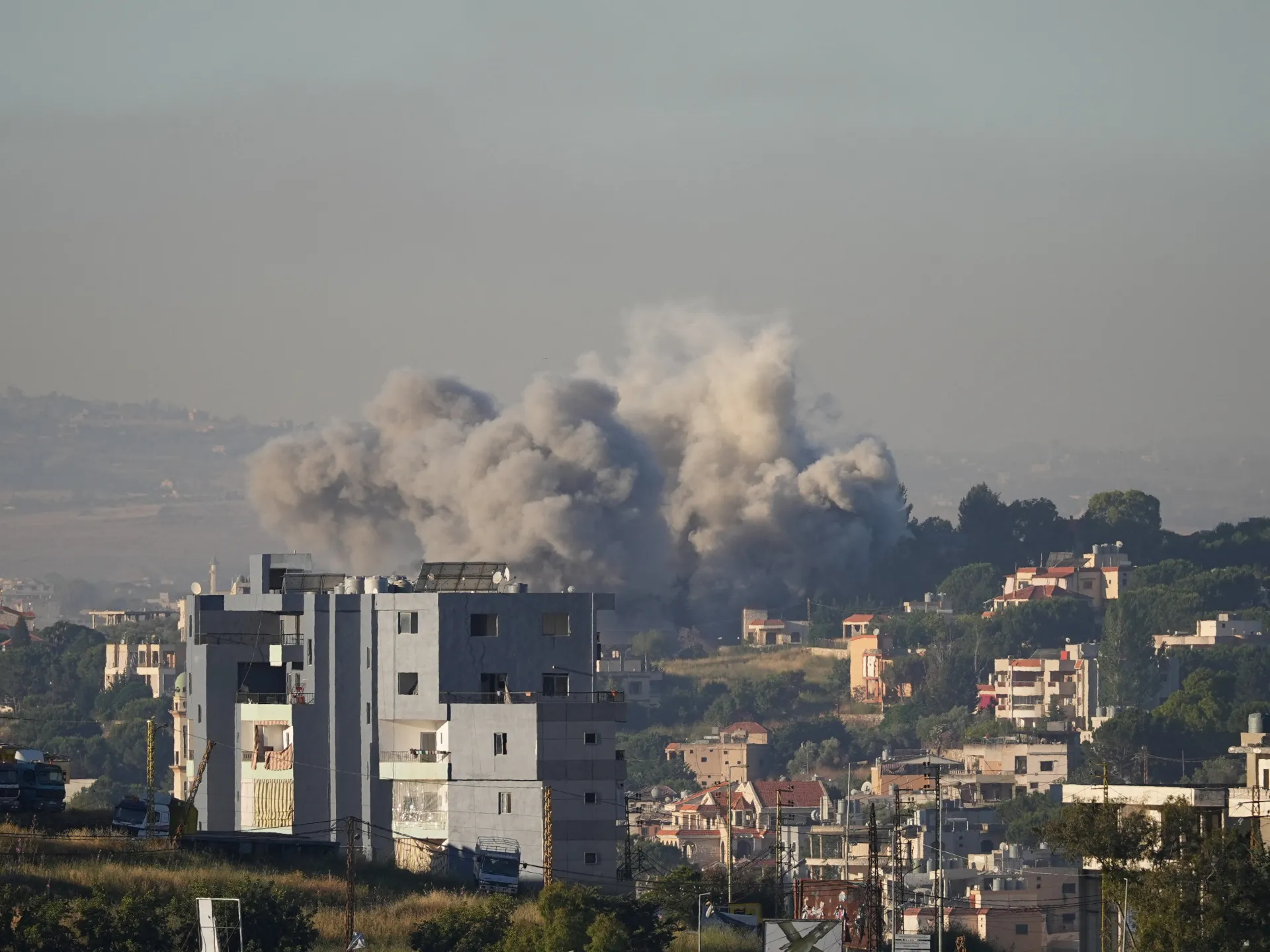
Israel has continued military operations in southern Lebanon despite the announcement of a new ceasefire agreement brokered by the United States. On Friday, Israeli warplanes and drones struck residential areas, buildings, and roads across the south, resulting in the deaths of at least five people. The Israeli military also issued two rounds of forced displacement orders covering nine towns and villages, signalling an escalation of ground operations even as diplomatic efforts were underway.
The strikes, reported by Lebanon’s state-run National News Agency, targeted locations including Habboush, Doueir, Qalawiya Tower, and Kfar Reman. A doctor was among those killed in Habboush, while attacks near Jabel Amel Hospital and the Bank Audi area caused significant damage. A major demolition was carried out in Bab al-Thaniya, and a drone strike killed a man in a car in Kfar Reman. These actions followed the Trump administration’s announcement on Thursday of a new deal, just weeks after a previous agreement on 16 April was rejected by Hezbollah.
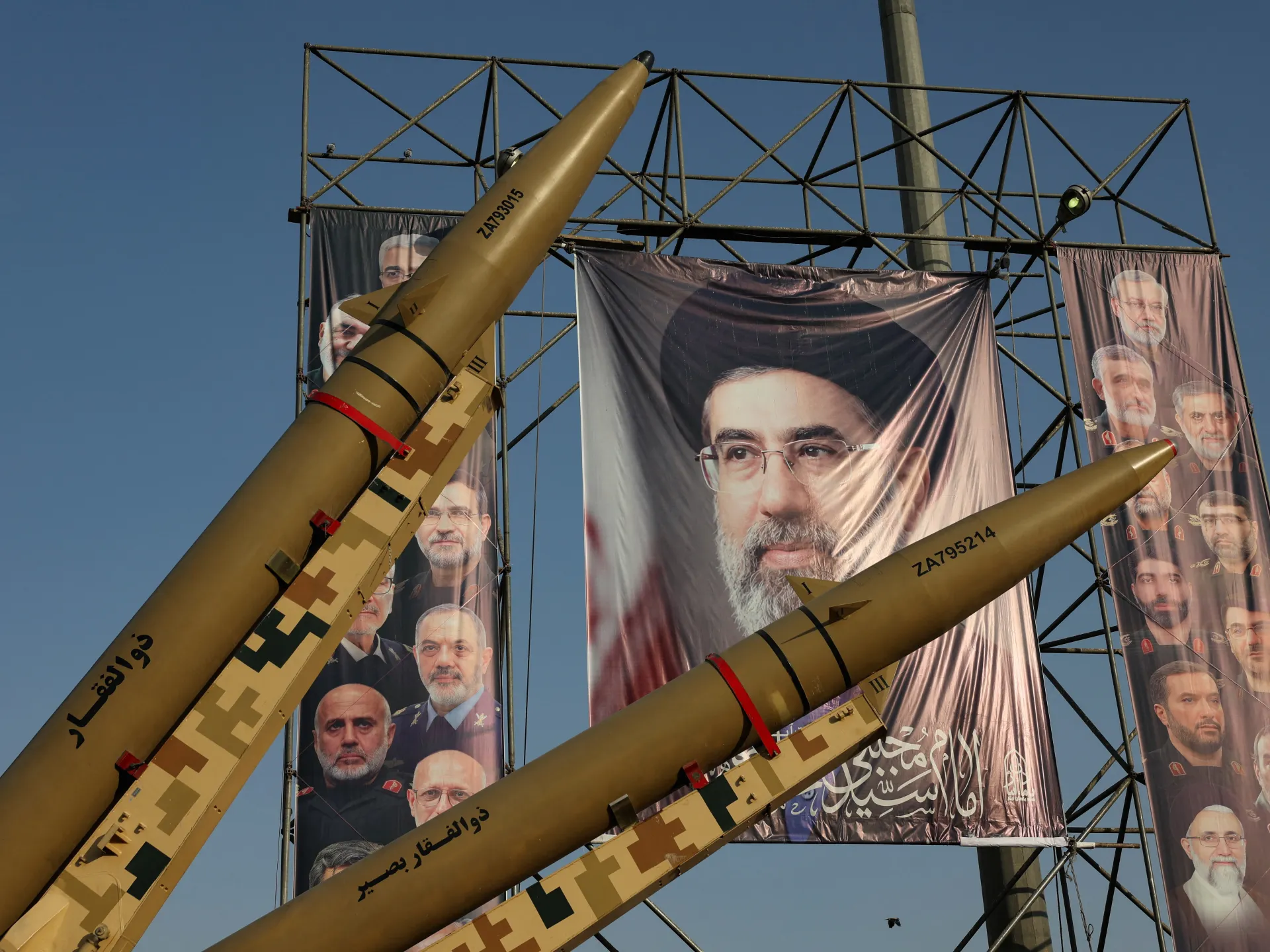
Hezbollah leader Naim Qassem swiftly rejected the new ceasefire, mirroring the group’s previous stance on the April agreement, which it dubbed a “surrender and defeat”. Between early Friday morning and afternoon, the Iran-linked group claimed responsibility for at least eight counter-attacks against Israeli positions. These included rocket salvos at Zawtar al-Sharqiyya and Yahmar al-Shaqif, and the use of Ababil suicide drones at Tell al-Salaa. Israel’s defence minister stated that the military campaign would continue, with reports indicating that Prime Minister Benjamin Netanyahu had not yet approved the implementation of the ceasefire.
Lebanese Prime Minister Nawaf Salam used a press conference for a UN aid appeal to urge Iran to cease using southern Lebanon as leverage in its negotiations with Washington. “Have mercy on our south, stop treating it and its people as merely a bargaining chip to improve the terms of your negotiations,” Salam said. This sentiment was echoed by Lebanese politician Najat Aoun Saliba, who accused Hezbollah of acting against the government and described Tehran’s involvement as a threat to Lebanese sovereignty.
The humanitarian situation remains critical, with the UN doubling its aid appeal as the crisis deepens. Since the April 16 agreement, more than 600 people have been killed in Israeli strikes, and the Israeli military now occupies approximately one-fifth of Lebanese territory. Analysts have expressed scepticism about the deal’s viability. Andrea Dessi of the American University of Rome argued that any agreement excluding key actors like Hezbollah is destined to fail, while Israeli diplomat Alon Pinkas stated that eliminating Hezbollah without occupying all of Lebanon is not a practical strategy. Iran has maintained that a full ceasefire in Lebanon is a prerequisite for a broader agreement with the US and Israel.