Is the premium for liquid-cooled PCs justified?
New research suggests air cooling remains the superior choice for most users, reserving liquid systems for high-end 4K gaming builds.
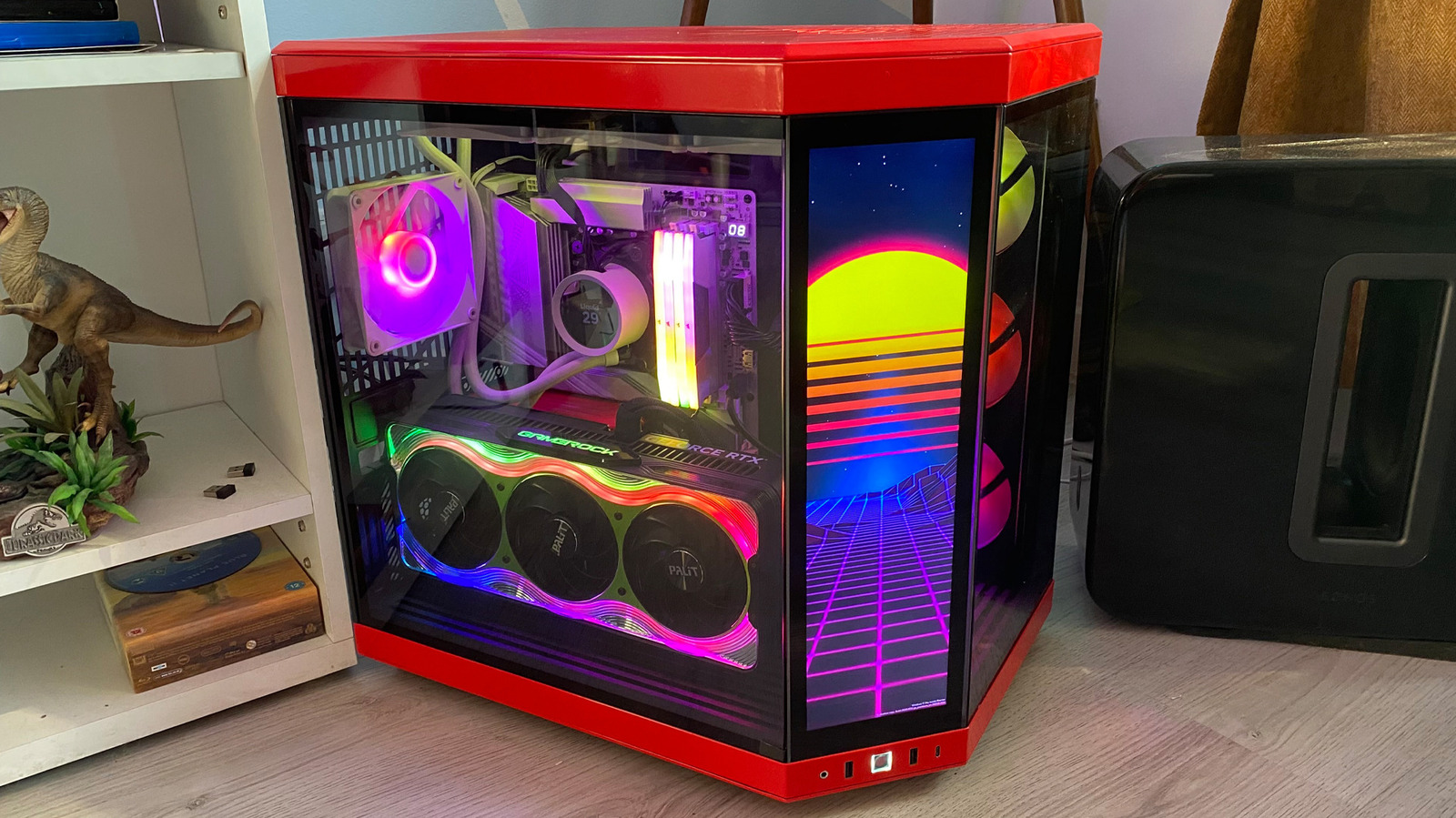
A recent analysis by Engadget has evaluated the cost-effectiveness of liquid-cooled personal computer systems compared with traditional air coolers. The review concludes that while liquid cooling offers superior heat dissipation and aesthetic appeal, the premium price tag is primarily justified for high-end gaming builds requiring 4K performance. For the majority of users, air cooling remains the more practical solution.
The fundamental difference between the two systems lies in their mechanical composition. Air coolers rely on a heatsink and pipes to regulate a processor’s temperature, consisting of a cold plate, pipes, a fan, and a heatsink. In contrast, liquid cooling systems are more complex, utilising a pump, tubing, coolant, and a separate radiator. This additional complexity allows liquid systems to manage the significant heat loads generated by top-tier processors such as the AMD Ryzen 7 9800X3D and the Intel Core i9-14900K.
For gamers aiming for 120 frames per second in Ultra HD resolution, the thermal demands on the CPU are substantial. Large 280mm or 360mm radiators found in all-in-one liquid cooling units dissipate heat more effectively than air coolers, preventing thermal throttling. The analysis highlights the NZXT Kraken 360 as a recommended high-end option, noting its ability to operate at whisper-quiet levels and its customisation features via the NZXT CAM app.
However, the benefits of liquid cooling come with distinct trade-offs. High-end models can cost upwards of $200, significantly more than even premium air coolers. Installation is also more intricate, requiring users to secure the radiator within the case and manage the pump. Maintenance is another consideration, as the pump in a liquid cooler will wear over time, and there is a low but present risk of coolant leakage damaging other components.
Air coolers are recommended for budget and mid-range systems where the CPU is less likely to be under constant heavy load. They are cheaper, simpler to install, and generally have longer lifespans than all-in-one liquid cooling models. Unless a user is building a rig with a Nvidia GeForce RTX 5090 and a high-performance processor, an air cooler is likely sufficient for casual gaming and general use.
The analysis notes that cheaper liquid coolers can become noisy, though specific models were not identified. For those not obsessed with the aesthetics of a transparent case, the sensible option for the majority of PC gamers remains the traditional air cooler.