Iraq’s parliament approves new Ali al-Zaidi government
Parliament grants confidence to 14 of 23 ministers, leaving key interior and defence portfolios unresolved as new administration faces security and diplomatic challenges.
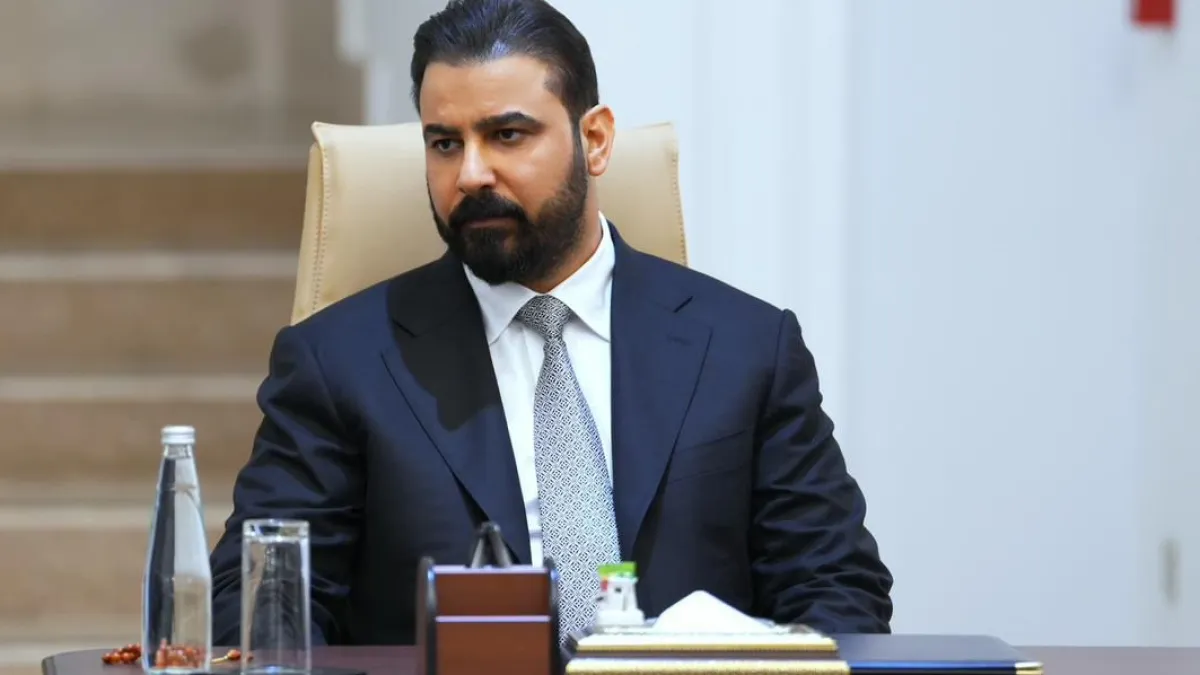
Iraq’s parliament has formally sworn in Ali al-Zaidi as prime minister, marking the end of a months-long political deadlock that was resolved following direct intervention by the United States. The Council of Representatives voted to grant confidence to Al-Zaidi and his ministerial programme, allowing him to assume office on Thursday. However, the new government remains incomplete, with lawmakers failing to reach consensus on critical portfolios, specifically the interior and defence ministries.
Under Iraqi constitutional procedure, a government is considered to have won a confidence vote if parliament approves half plus one of its ministries. Al-Zaidi’s cabinet is structured to include 23 ministers, but only 14 secured parliamentary approval during the session. The prime minister’s media office confirmed the vote, stating that the council had granted confidence to the government and its programme. While the prime minister presented his agenda during the session, it was not broadcast live and has not yet been announced publicly.
The composition of the cabinet reflects specific appointments and retained positions. Basim Mohammed was appointed as the new oil minister, while Fuad Hussein retained his role as foreign minister. These appointments were confirmed by lawmakers to the Reuters news agency. The failure to agree on the interior and defence ministries highlights the ongoing negotiations between key political parties, leaving significant gaps in the executive branch’s structure.
Al-Zaidi’s selection broke a stalemate that had seen former two-time prime minister Nouri al-Maliki emerge as the coalition’s initial candidate. Al-Maliki, who is closely aligned with Iran, was fiercely opposed by US President Donald Trump. The US president threatened to halt all support to Iraq if Maliki were appointed, effectively blocking his candidacy. This external pressure paved the way for Al-Zaidi, who was named prime minister-designate by President Nizar Amedi on April 27.
At 40 years old, Al-Zaidi is Iraq’s youngest prime minister. Unlike his predecessors, he has no prior history in political office or government administration. Born in Baghdad to a prominent family from the southern province of Dhi Qar, he built his career in the private and academic sectors. He holds degrees in law and finance, a master’s degree in banking and finance, and is a member of the Iraqi Bar Association. Analysts describe his lack of political history as a “blank slate,” making him a palatable choice in a polarised landscape.
The new administration faces immediate and complex challenges. It must address the issue of disarming Iran-backed militias, tackle entrenched corruption, and balance diplomatic ties between Washington and Tehran. The incomplete cabinet, particularly the absence of leadership in security-related ministries, underscores the delicate political balancing act required to stabilise the country’s governance structure.