Climate scientists warn FIFA of doubled heat risk for 2026 World Cup
UN officials and climate experts urge a shift to clean energy as FIFA faces scrutiny over contingency plans for gruelling heat conditions across North America.
Climate experts from World Weather Attribution (WWA) have warned FIFA that global warming has nearly doubled the risk of extreme heat for the 2026 World Cup compared to the 1994 tournament hosted in the United States. Scientific analysis indicates that 26 of the 104 matches could be played in conditions reaching at least 26C on the Wet Bulb Globe Temperature (WBGT) index, a measure of heat stress that accounts for temperature, humidity, wind speed, and sun exposure.
The WWA, a network of climate scientists, noted that while 21 games in the 1994 tournament would have been expected to reach this heat threshold, the current forecast presents a significantly elevated risk. Five games are projected to experience conditions of 28C WBGT or higher, a level at which the international footballers’ union FIFPRO recommends delaying or postponing matches to ensure the safety of players and fans.
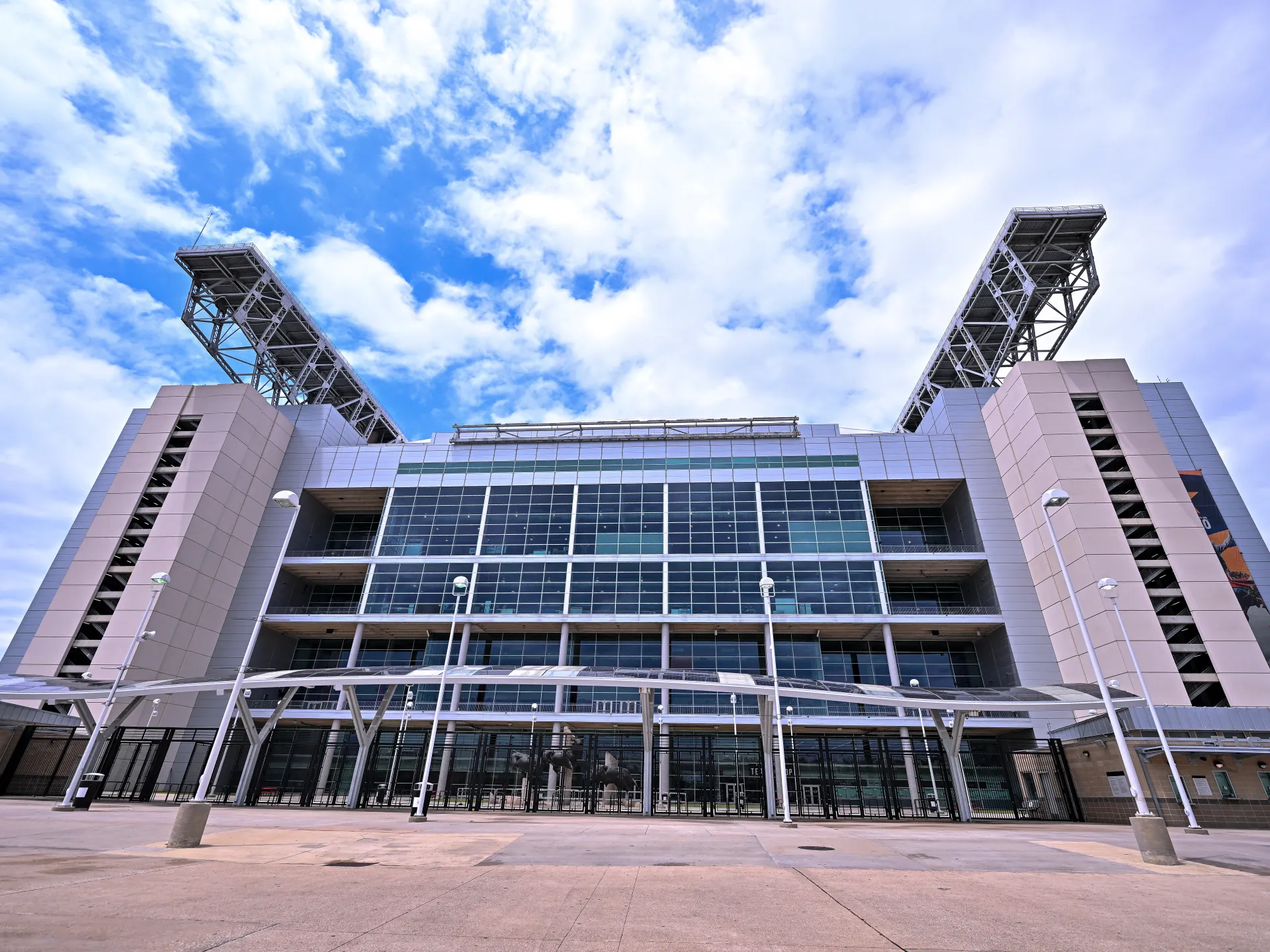
Infrastructure disparities remain a critical concern. Of the 16 stadiums hosting the tournament across the United States, Mexico, and Canada, only three in Dallas, Houston, and Atlanta feature air conditioning. Consequently, more than a third of the games with a one in 10 chance of exceeding 26C WBGT will take place in venues without cooling systems, leaving players and spectators exposed to higher heat strain.
FIFA has outlined preventive measures, stating it will continue to monitor conditions in real time by integrating Wet Bulb Globe Temperature and Heat Index surveillance. The governing body affirmed it stands ready to apply established contingency protocols, including mandated cooling breaks during each half, should extreme weather events occur during the tournament, which runs from June 11 to July 19.
UN Climate Change executive secretary Simon Stiell echoed these concerns, highlighting that the risk of dangerous heat has doubled since 1994. He urged a decisive shift to clean energy to protect the sport, while WWA co-founder Friederike Otto described the non-insignificant risk of cancellation-level heat for the final at MetLife Stadium in New Jersey as a wake-up call for the organisation and its stakeholders.