Iraqi PM seeks pipeline extension and security balance in Ankara visit
Baghdad prioritises strategic cooperation with Turkiye to diversify crude routes and manage water disputes, despite stalled infrastructure projects and ongoing PKK tensions.
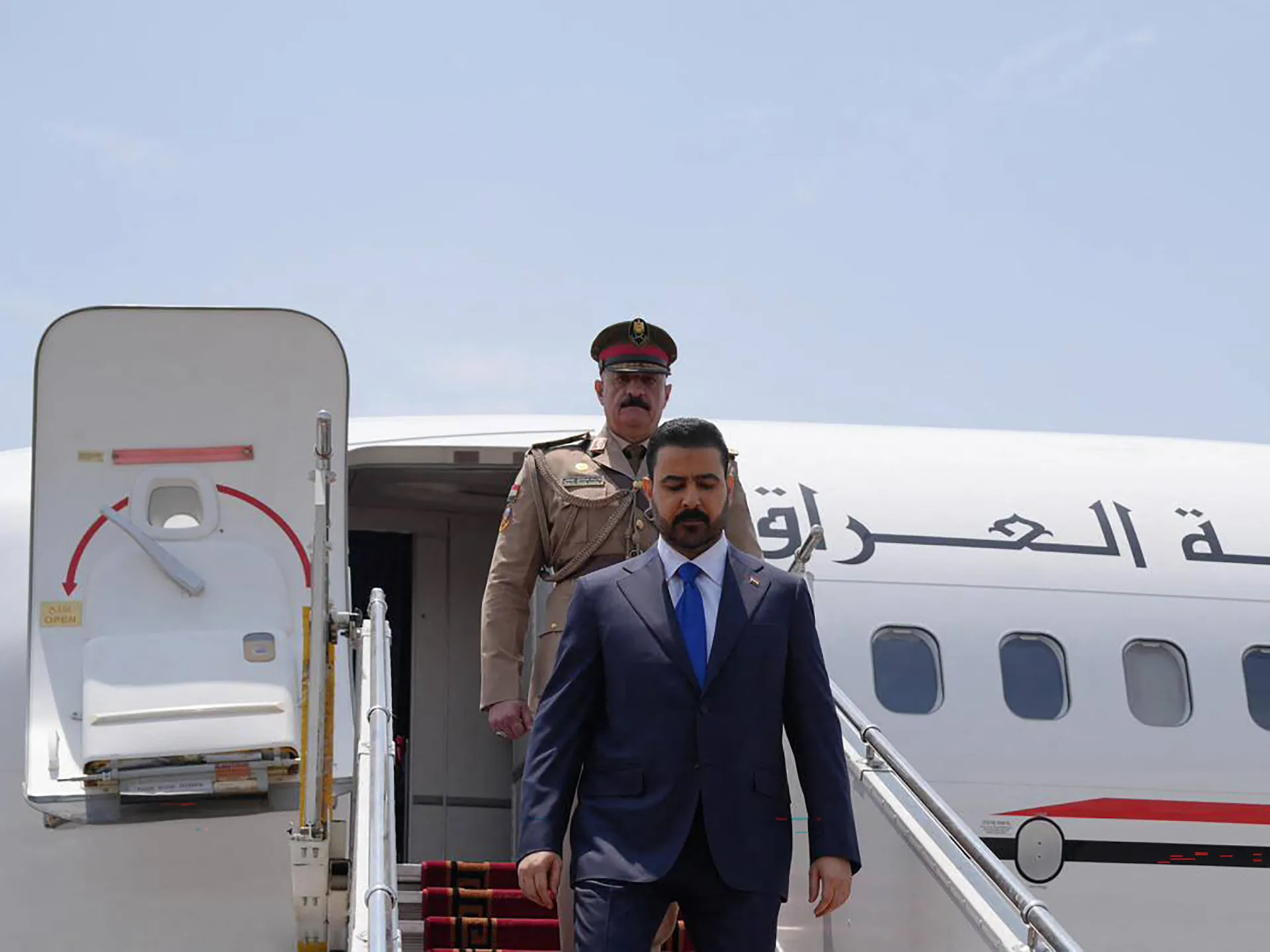
Iraqi Prime Minister Ali al-Zaidi has arrived in Turkiye for his first official visit since assuming office in May, leading a high-level delegation to address critical bilateral issues. The trip focuses on strategic cooperation, security arrangements, water management, and economic ties, with the immediate priority being the finalisation of a one-year extension to the Iraqi-Turkiye oil pipeline agreement. The previous deal expired on Monday, prompting an urgent technical delegation to Ankara to secure an interim arrangement while negotiations for a long-term contract continue.
Discussions are centred on a contentious new agreement that Turkish authorities have reportedly proposed with significantly increased financial terms. According to an anonymous source from Iraq’s Ministry of Oil, Ankara is seeking to raise the interest rate from $1.35 per barrel to $7 and demanding an export capacity of no less than 1.5 million barrels per day. Iraqi officials have indicated that such terms are difficult to accept, with the source noting that only the Council of Ministers has the authority to approve such a significant agreement, citing the severity of the proposed conditions.
The visit also aims to secure alternate crude export routes via Turkiye and Syria to the Mediterranean Sea, reducing Baghdad’s reliance on the Strait of Hormuz. This strategic pivot follows the closure of the Strait during the US-Israel war on Iran in February and aligns with recent energy deals estimated at $200bn signed with US companies earlier in July. Iraqi Oil Minister Basim Khudair emphasised the urgent need to expedite negotiations to establish these new outlets, stating that the current route no longer meets Iraq’s requirements.
Beyond energy, the agenda includes leveraging Turkish expertise in infrastructure and transport to boost Iraq’s development initiatives. A key focus is the so-called Development Route, a 1,200km rail and highway network connecting the al-Fao port to the Iraq-Turkiye-Syria border triangle. However, experts note that the project has been effectively derailed by armed group attacks and potentially undermined by a competing Saudi-backed transport corridor linking Turkiye to Jordan and Saudi Arabia through Syria.
Water management and security remain the most sensitive aspects of the diplomatic engagement. Iraq blames Turkiye for building dams that restrict the flow of the Tigris and Euphrates rivers, an issue described as impacting the future of millions of Iraqis. Simultaneously, the visit navigates the presence of approximately 5,000 Turkish soldiers and military assets in northern Iraqi provinces targeting the Kurdistan Workers’ Party (PKK). Although the PKK announced initial steps towards disarmament in mid-2025 as part of a wider peace deal, Turkiye continues to view the group’s presence in northern Iraq as a national security threat.
Despite these challenges, there is broad support in Iraq for strengthening relations with Turkiye, driven by the country’s importance as a transit route for oil exports to Europe. Political analysts suggest that while the desire to deepen ties is strong, the success of al-Zaidi’s visit will depend on his ability to balance complex regional power struggles, including covert Turkish-Iranian rivalry, within Iraq’s volatile political climate.