Iraqi PM reaffirms sovereignty as Saudi intelligence chief seeks diplomatic reset
Prime Minister Ali al-Zaidi meets Saudi Intelligence chief Khalid bin Ali Al Humaidan in Baghdad, renewing an invitation for a Riyadh visit while maintaining a firm stance on national security and territorial integrity.
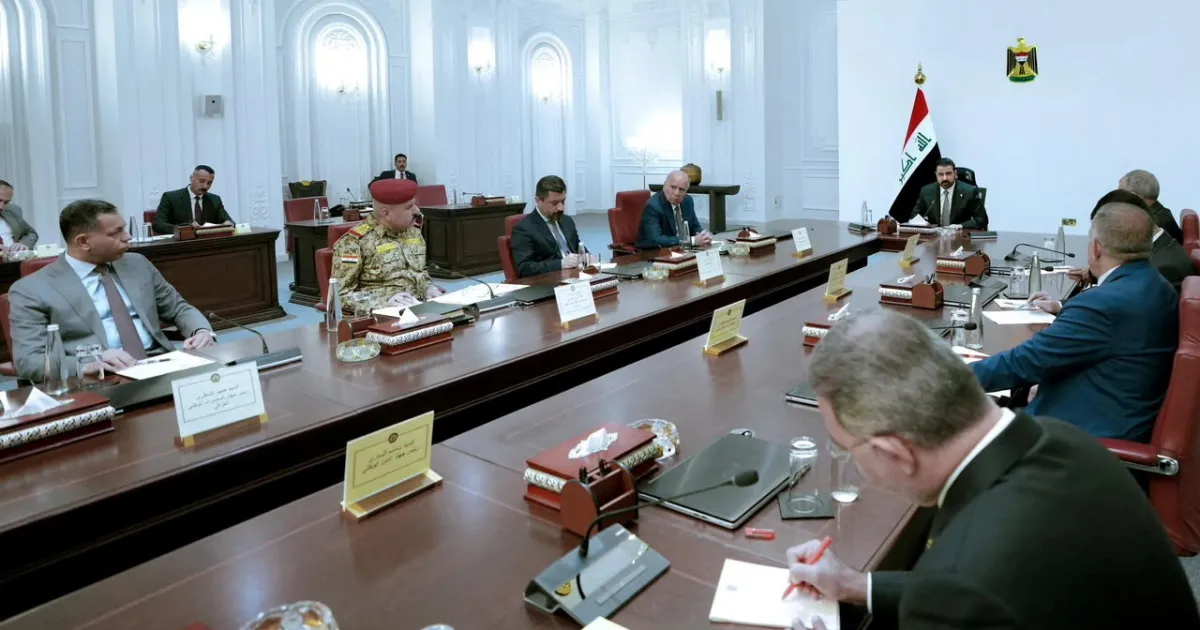
Iraqi Prime Minister Ali al-Zaidi and Saudi Arabian Intelligence chief Khalid bin Ali Al Humaidan held talks in Baghdad on Friday, marking a significant diplomatic overture to mend ties strained by joint US-Saudi military operations earlier this month. The meeting, confirmed by the prime minister’s office, resulted in Al-Humaidan renewing an invitation for al-Zaidi to visit Riyadh, reversing the cancellation of a previous trip that had been called off in protest of the strikes.
The diplomatic engagement follows a joint US-Saudi operation on July 29, which targeted Iraqi armed groups and resulted in the deaths of 20 fighters, including five Iranians. Saudi Arabia justified the cross-border strikes as retaliation for drone attacks on its oil infrastructure, attributing the incidents to pro-Iranian factions within Iraq. In response, Iraq’s National Security Council rejected these claims, describing the operation as a direct breach of national sovereignty and prompting Iraqi authorities to tighten security measures across the country and along its borders.
During the discussions, al-Zaidi reaffirmed Baghdad’s commitment to its sovereignty and pledged that Iraqi territory would not be used as a launchpad for attacks against other nations. The leaders focused on enhancing security coordination between Baghdad and Riyadh, aiming to de-escalate tensions as regional instability persists. The prime minister’s office stated that both governments recognise the need for improved dialogue to manage shared security concerns in a volatile neighbourhood.
Concurrently, the Iran-aligned Islamic Resistance in Iraq announced the postponement of a planned retaliatory strike against Saudi targets. The group attributed the decision to lobbying efforts by Hadi al-Amiri, a prominent pro-Iranian political figure in Iraq, alongside pressure from other unnamed political actors. The network, which had previously threatened retaliation for the July 29 strikes, did not specify the nature of the operations that were called off.
The diplomatic thaw occurs against a backdrop of domestic and regional complexity for al-Zaidi, who assumed office earlier this year with Washington’s backing. He has set a September 30 deadline for armed groups to disarm, a policy move that faces opposition from powerful factions within Iraq. As the country continues to navigate its strategic position between the United States and Iran, the renewed dialogue between Baghdad and Riyadh signals an attempt to stabilise relations and prevent further escalation in the region.