Iraqi PM pledges security reform as oil revenue collapse forces militia integration
With exports plummeting to 600,000 barrels a day, the government faces urgent demands to dissolve paramilitary factions, though implementation remains fraught with political resistance and structural uncertainty.
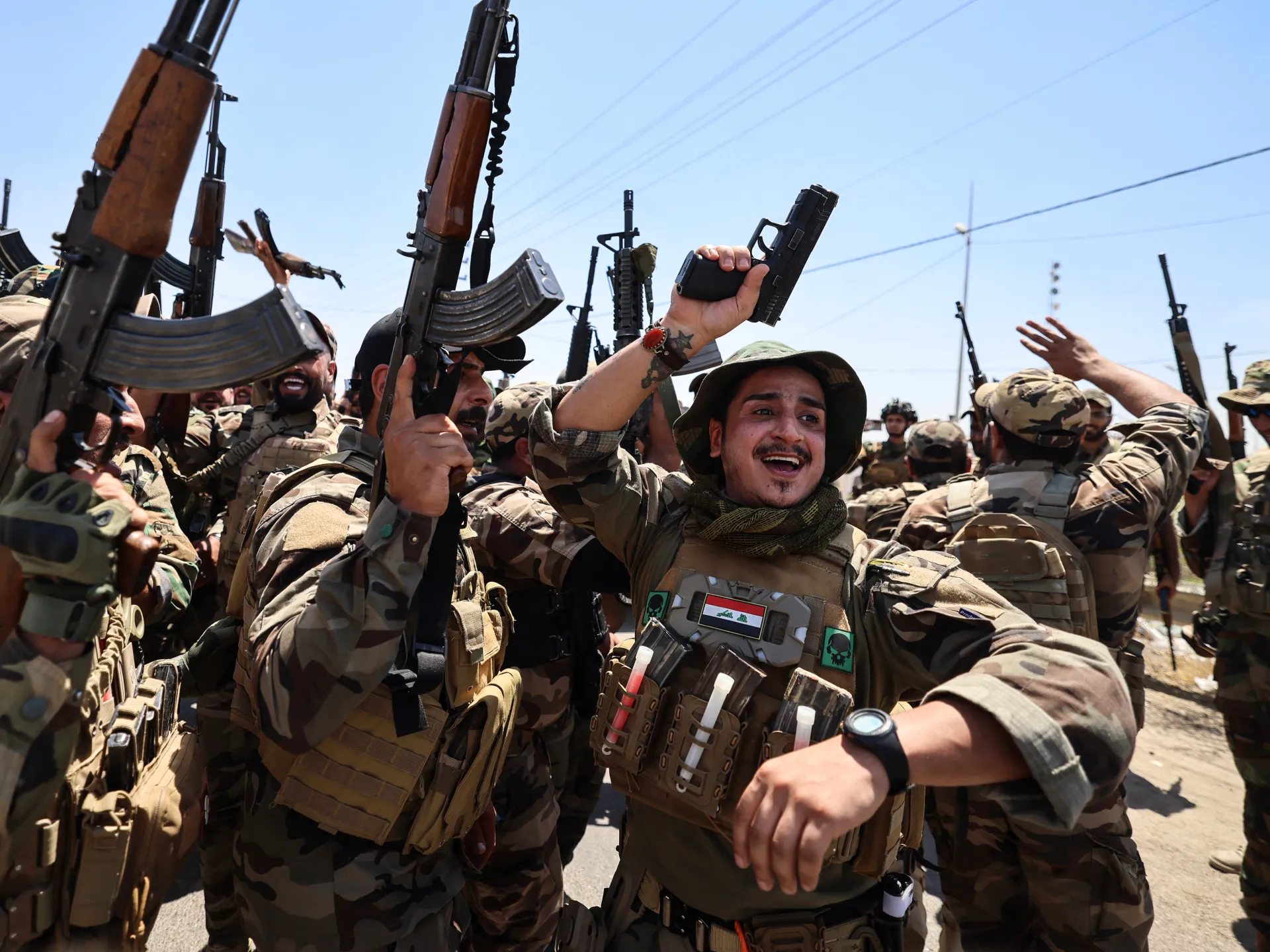
Iraqi Prime Minister Ali al-Zaidi has committed to reforming the nation’s security apparatus by restricting weapons to state control, a move driven by acute economic pressure and diplomatic demands from Washington. In his first address to parliament in mid-May, al-Zaidi outlined a strategy to strengthen state security forces, acknowledging that the monopoly on arms is essential for national stability. The push comes against a backdrop of escalating regional conflict and the closure of the Strait of Hormuz, which has severely disrupted Iraq’s primary revenue stream.
The economic imperative for disarmament is stark. Prior to the regional war that began in late February, Iraq exported approximately 3.3 million barrels of oil per day, with roughly 90 per cent of these shipments transiting the Strait of Hormuz. Following the closure of the waterway, March figures revealed exports had collapsed to approximately 600,000 barrels per day. As oil revenue constitutes more than 90 per cent of the state budget, the fiscal crisis has compelled the government to act, with analysts noting that addressing the militia issue has become an economic necessity to attract investment and avoid American displeasure.
In response to the government’s call, powerful Shia leader Muqtada al-Sadr announced on May 27 that his militia, Saraya al-Salam, would dissociate from his political movement and integrate fully into the state’s armed forces under the military general commander. Al-Sadr framed the decision as an obligation to the national interest, urging other paramilitary groups, particularly those within the Iran-backed Popular Mobilisation Forces (PMF), to follow suit. The Prime Minister welcomed the announcement, signalling a potential shift in the balance of power between the state and non-state actors.
Other factions have offered varying degrees of compliance. Faleh al-Fayyad, head of the PMF, announced a complete disengagement from political groups, aiming to link the force directly to the commander-in-chief. Similarly, Asaib Ahl al-Haq, a US-designated foreign terrorist organisation, has promised disengagement. However, the process is far from unified; groups such as Kataib Hezbollah and Harakat al-Nujaba have rejected the government’s directive to disarm, complicating efforts to establish a unified security command.
The path to implementation remains uncertain and potentially volatile. Analysts warn that the dissolution process will be lengthy and complex, requiring careful navigation to avoid confrontation that could spark bloodshed. Some political observers suggest al-Sadr’s move is a strategic gesture to maintain influence and position himself for a potential return to politics, having previously boycotted parliamentary elections. Meanwhile, discussions are underway regarding the formation of a new security ministry to incorporate various forces, including the Kurdish Peshmerga. Despite these structural plans, experts urge limited optimism, emphasising that the reality of dismantling entrenched military factions will test the government’s resolve and capacity for governance.