Iran's shadow fleet bypasses US naval blockade in Strait of Hormuz through deceptive maritime tactics
Despite a full naval cordon imposed on April 13, 2026, the International Maritime Organization describes the resulting crisis as unprecedented since World War II, with thousands of sailors trapped in the Gulf.
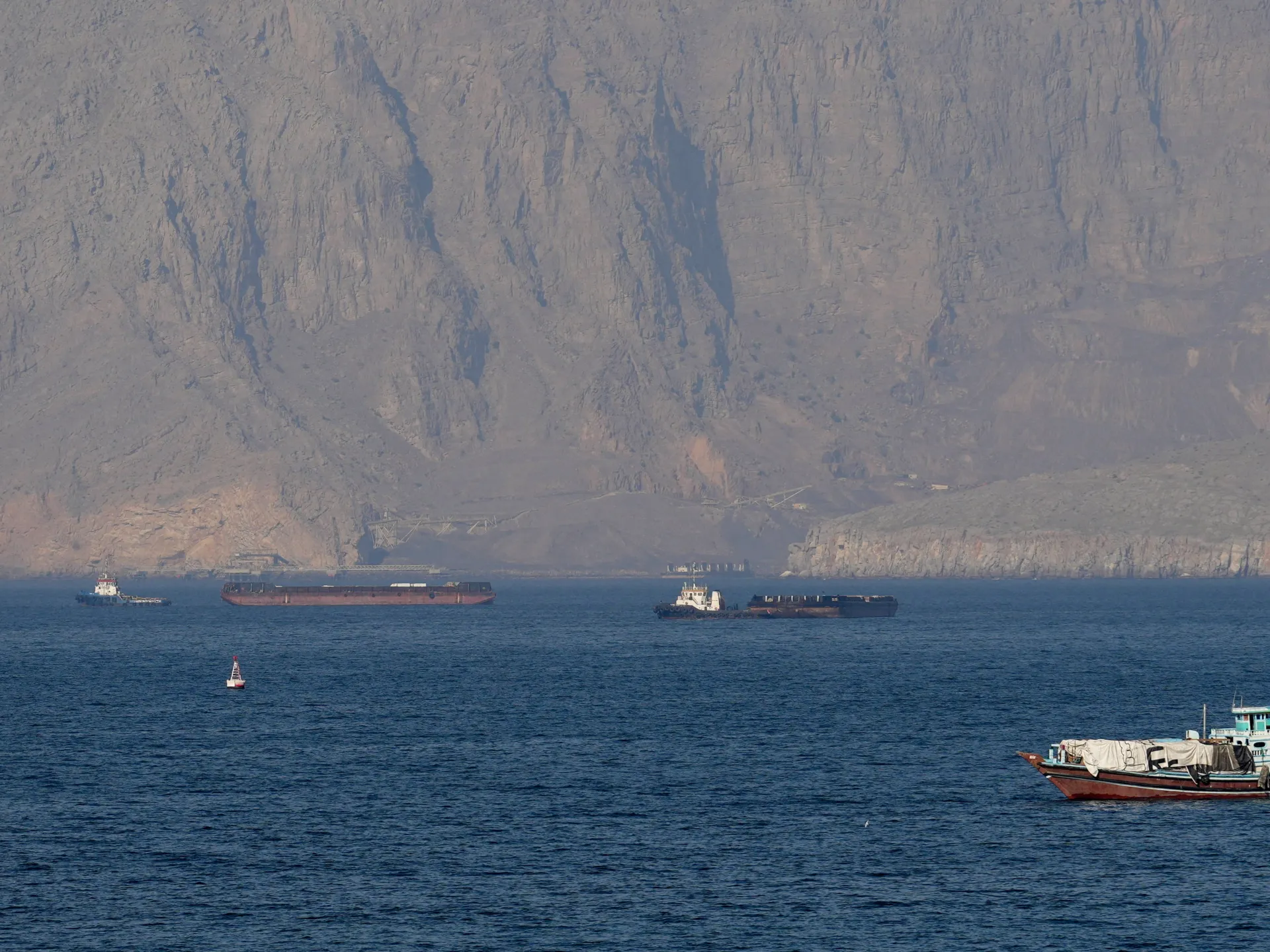
An exclusive open-source investigation by Al Jazeera has documented how a covert Iranian shadow fleet successfully navigated the Strait of Hormuz following the imposition of a full United States naval blockade on April 13, 2026. While the blockade was theoretically designed to halt all traffic through this critical chokepoint, tracking data reveals that 185 vessels continued to transit the waterway between March 1 and April 15, 2026.
The investigation, which monitored the strait daily, found that 77 of the tracked voyages were directly or indirectly linked to Iran. Of these, 61 vessels were explicitly listed on international sanctions regimes maintained by the US Office of Foreign Assets Control, the European Union, the United Kingdom, and the United Nations. The operation relied heavily on evading detection through the use of fake flags, disabled Automatic Identification System (AIS) signals, and the operation of vessels without official International Maritime Organization numbers.
To obscure their identities and ultimate ownership, the fleet utilised a complex network of false registries. The investigation identified 16 ships operating under flags from nations such as Panama, Botswana, and San Marino, alongside landlocked countries like Madagascar, Guinea, Haiti, and Comoros. Specific instances of evasion included the Iranian cargo ship "13448", which lacked an IMO number and reached Karachi, and the Panama-flagged vessel *Manali*, which crossed the blockade cordon on April 14 and again on April 17 en route to Mumbai.
Energy carriers dominated the traffic during this period, with 68 ships transporting crude oil, petroleum products, and gas. Ten of these tankers were directly linked to Iran, while the operational management of the fleet spanned a global network with significant links to Iran, China, Greece, and the United Arab Emirates. Notably, the operators of nearly 19 per cent of the observed vessels remain unknown, complicating efforts to enforce compliance with international sanctions.
The military pressure has created a severe humanitarian and logistical crisis within the region. The International Maritime Organization has described the situation as unprecedented since World War II, with approximately 20,000 sailors currently trapped on 2,000 ships across the Gulf. This stands in stark contrast to pre-war conditions, when at least 100 ships crossed the strait daily, highlighting the disruption caused by the conflict and the subsequent naval cordon.
The investigation highlights the resilience of this parallel maritime system, which has evolved over 47 years of sanctions on Tehran. By deliberately jamming AIS signals and utilising vessels without unique seven-digit IMO identifiers, the shadow fleet has maintained a steady flow of energy carriers despite the US naval presence and the threat of attacks in the strait.