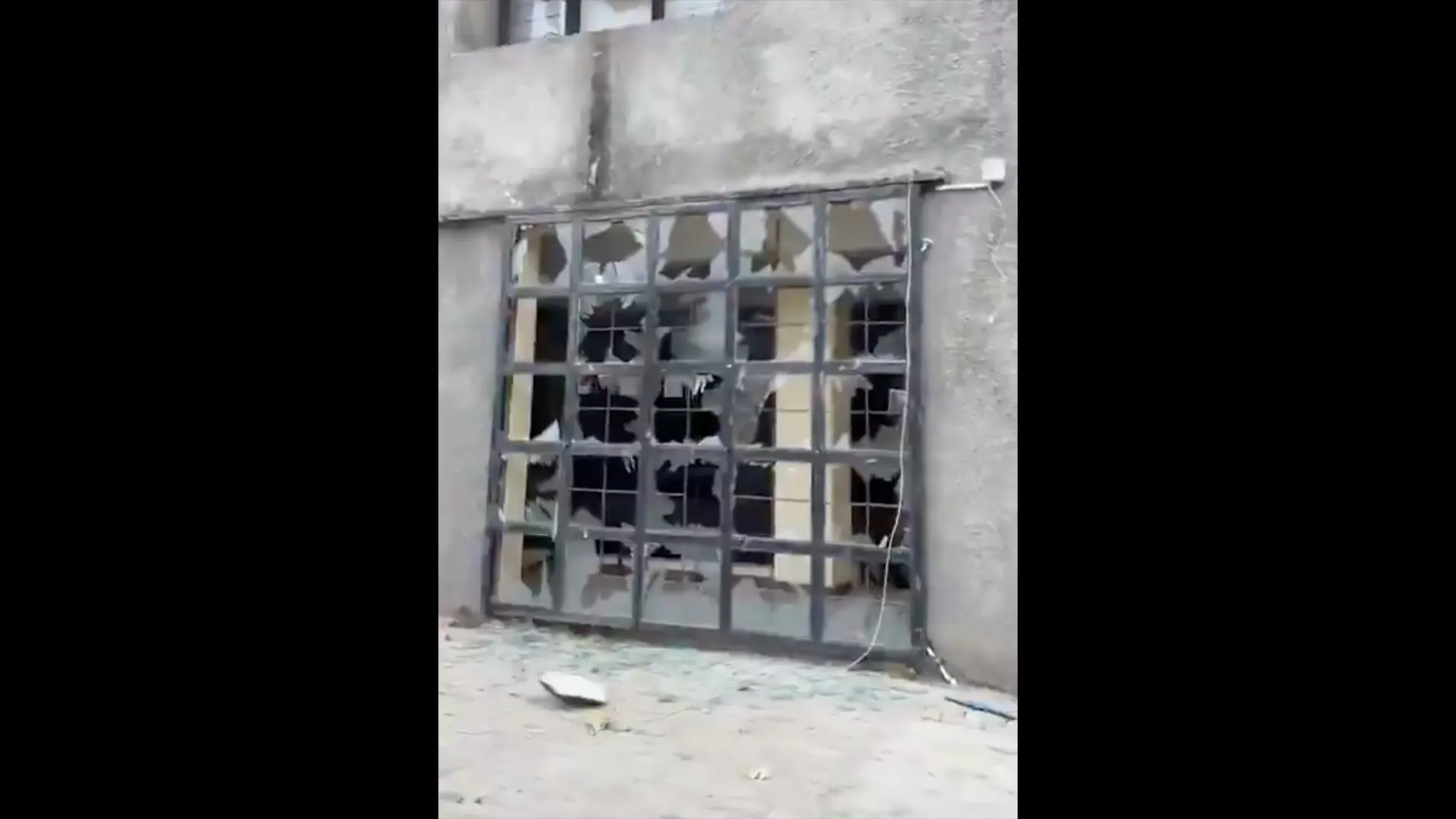
Iran’s military strike on Israel signals shift in regional deterrence strategy
The Islamic Revolutionary Guard Corps’ limited offensive, which ceased on Monday, marks a strategic pivot from defending Iranian territory to protecting regional allies, reflecting a growing sense of resilience within the regime.
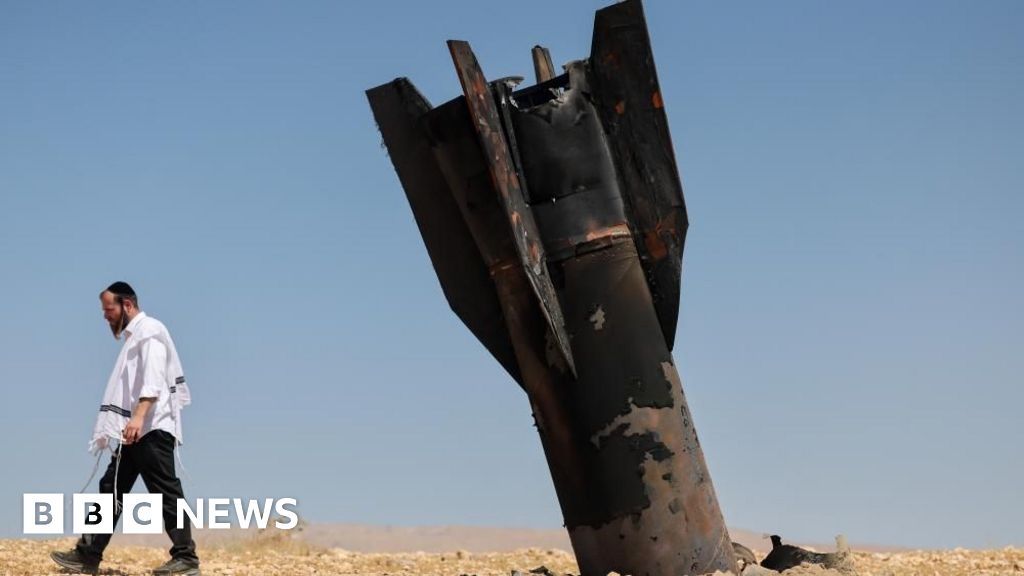
Iran launched a coordinated missile and drone strike against Israel overnight, an operation the BBC has described as having limited immediate military significance but substantial political weight. The attack was launched in direct response to an Israeli strike on a building in southern Beirut linked to Hezbollah, marking a distinct departure from Tehran’s historical justification for direct military engagement. For years, the Islamic Republic framed such actions as necessary retaliation for attacks on its own territory, commanders, or national interests; this operation instead positions the defence of regional allies as a core security imperative.
Iran’s military announced that it would cease strikes on Monday, a decision that analysts interpret as a calculated move to signal resilience rather than escalate into an uncontrolled conflict. The leadership appears to view the state as having survived months of intense pressure, including Israeli and American military operations, economic sanctions, and a US naval blockade. With the government still in power and its security apparatus intact, Tehran may now perceive itself as a power capable of enforcing new red lines without the existential vulnerability previously assumed by external observers.
The timing of the offensive carries significant diplomatic implications, occurring as US President Donald Trump suggested that a peace deal might be within reach. Conventional logic would dictate that Iran avoid actions jeopardising fragile negotiations. However, the strike suggests a strategic calculation that demonstrating strength through limited military action could strengthen Tehran’s position at the negotiating table. By establishing a precedent that attacks on its partners are treated as attacks on Iran itself, the regime aims to bolster its credibility with the "Axis of Resistance," including Hezbollah and Iraqi militias.
Public reaction within Iran has been mixed, reflecting a broader debate over the regime’s priorities and the risks of escalation. While some citizens viewed the action as a justified defence of Lebanon, others questioned why resources were directed toward southern Lebanon while southern Iran had endured nearly two months of bombing with no serious response. A segment of the population expressed concern over the potential for renewed war, though some observers argued the clash was partly performative, designed to project strength to domestic supporters while relying on the assumption that the United States does not desire a direct conflict.
The incident underscores a potential shift in how the Islamic Republic perceives its place in the Middle East. The leadership appears to be testing whether it can simultaneously pursue diplomacy and actively enforce its security boundaries. Whether this approach of negotiating from a position of enforced strength will succeed remains uncertain, but the strike clearly signals a regime that believes it has the capacity to absorb further Israeli retaliation while maintaining its diplomatic trajectory.