Iran’s Energy Grid Strains as War Damages Infrastructure and Summer Demand Peaks
Strikes on energy facilities have reduced gasoline production capacity, forcing imports despite vast reserves, while tiered pricing and conservation measures struggle to avert social unrest.
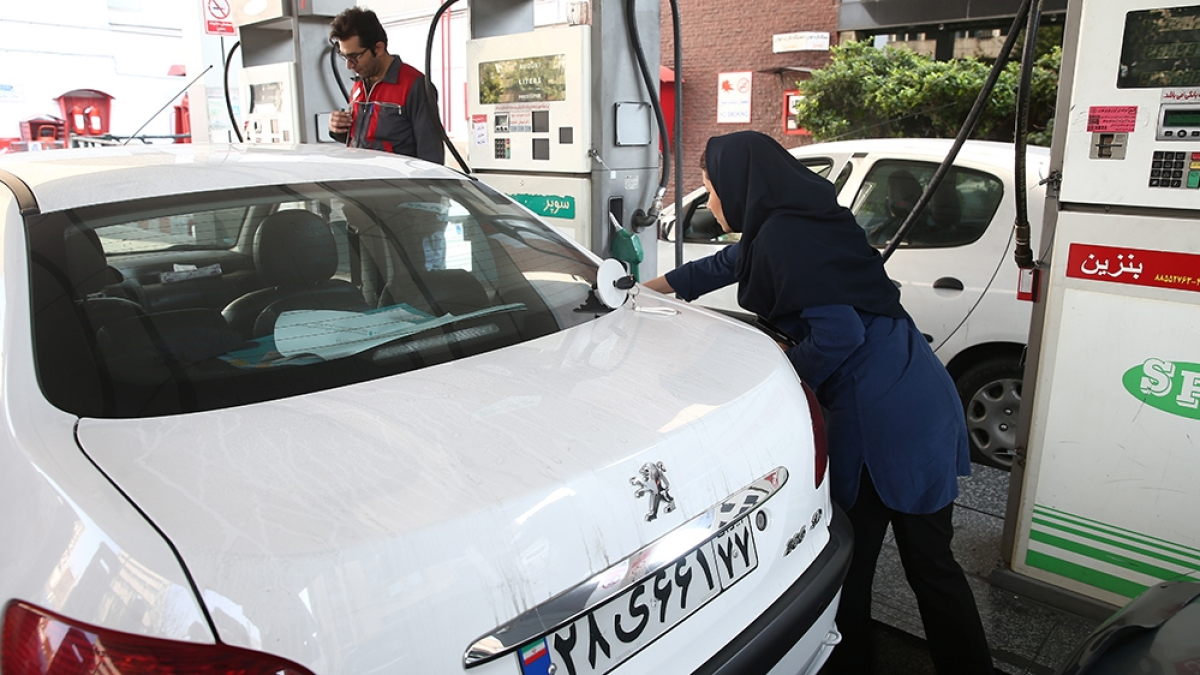
Iran is confronting a severe energy imbalance as summer air conditioning demand outpaces domestic refinery output, compelling the government to import fuel despite holding the world’s third-largest proven crude oil reserves. The ongoing conflict with Israel and the United States has damaged critical energy infrastructure, reducing gasoline production capacity from 115 million litres per day to 110 million litres. This decline in supply coincides with a dramatic surge in consumption, which has jumped from 10 million litres in 2025 to 140 million litres in the current year.
President Masoud Pezeshkian has repeatedly urged households and offices to limit energy consumption, employing symbolic gestures to reinforce the message. During a recent government meeting, the president removed his jacket to demonstrate that air conditioning thermostats need not be lowered to maintain comfort. Despite these appeals, the administration faces limited tools to manage the crisis, as the war has eroded the economic capacity to subsidise costs effectively.
The government maintains a complex, tiered pricing system for petrol to avoid social unrest, a sensitivity heightened by nationwide protests in November 2019 following previous price hike announcements. Under the current scheme, most users of Iranian-made vehicles receive 60 litres of subsidised petrol per month, with an additional 100 litres available at a higher rate. Consumption beyond this threshold requires an emergency card, which has been capped at 30 litres per day. Due to supply constraints, petrol stations have been instructed to limit these cards to between 10 and 15 litres or not issue them at all.
Small businesses and households are reporting sharp increases in energy bills, with authorities warning of penalties for excessive consumption. A 35-year-old welding workshop owner near Tehran reported his monthly electricity bill rising from 40 million rials to three times that amount. Authorities state that while normal household consumption remains artificially low, excessive users can be billed up to 45 times the normal price, though complaints regarding escalating costs are subject to review.
Fears of further instability are compounded by threats from US President Donald Trump to strike additional power plants, heightening concerns about blackouts and gas shortages. Esmail Saghab Esfahani, a vice president of the state-linked Organization for Energy Optimization and Strategic Management, stated that reforming or increasing energy prices is currently not feasible due to economic conditions and social concerns. The government continues to run similar tiered schemes for natural gas, electricity, and urban water, but the divide between lower production and growing demand for subsidised fuel remains unbridgeable.