Iran’s car market deepens cost-of-living pressure as prices surge
Rising vehicle and maintenance costs, falling production and restricted imports are leaving new cars beyond the reach of many Iranian households.
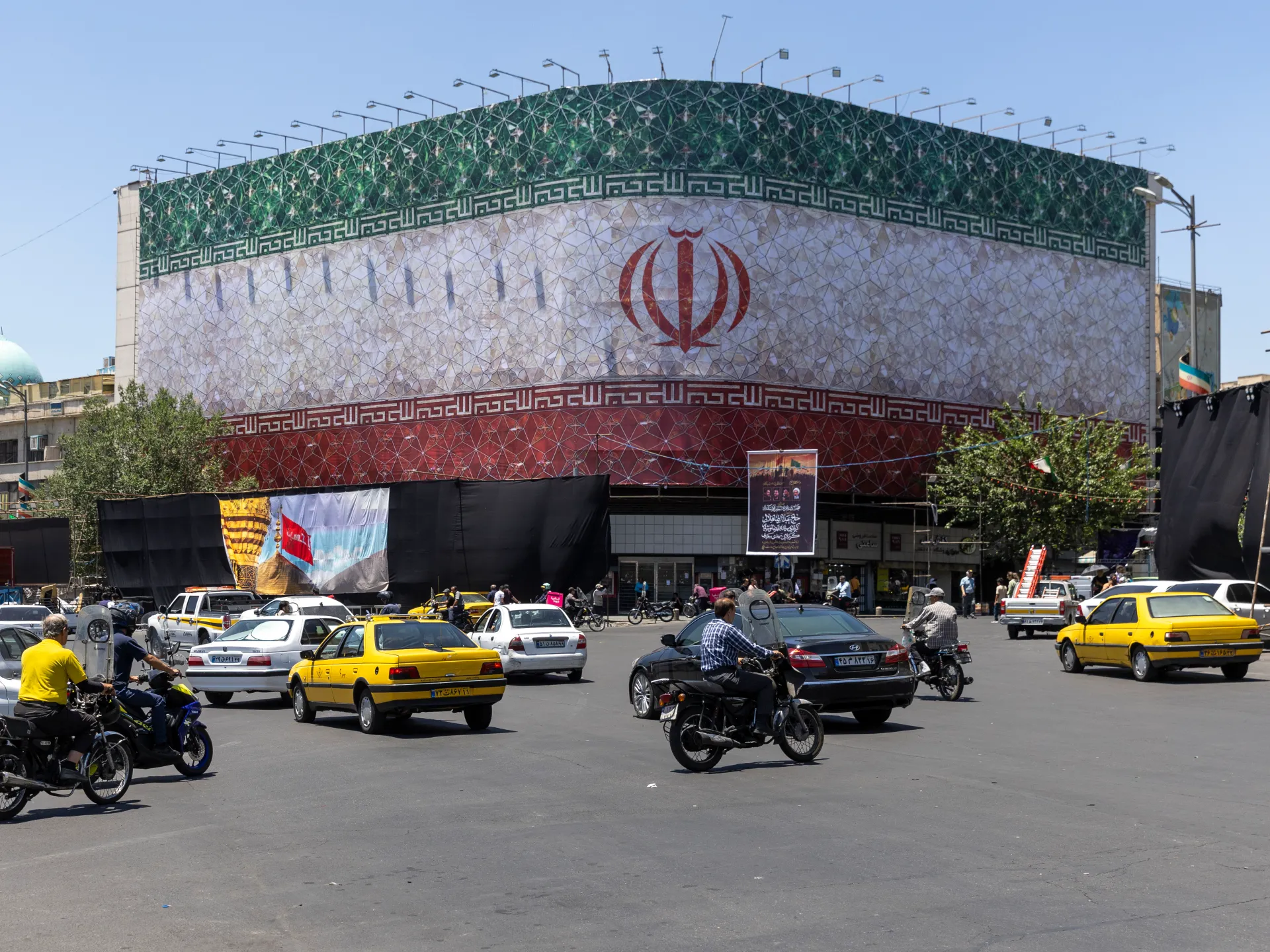
Iran’s car market is becoming increasingly unaffordable as vehicle prices and maintenance costs rise amid sanctions, restricted imports, economic isolation and alleged corruption. Al Jazeera reported that domestic car prices have increased by roughly 40 to 80 per cent since the reported start of the war, with some models costing more than twice their September 2025 prices.
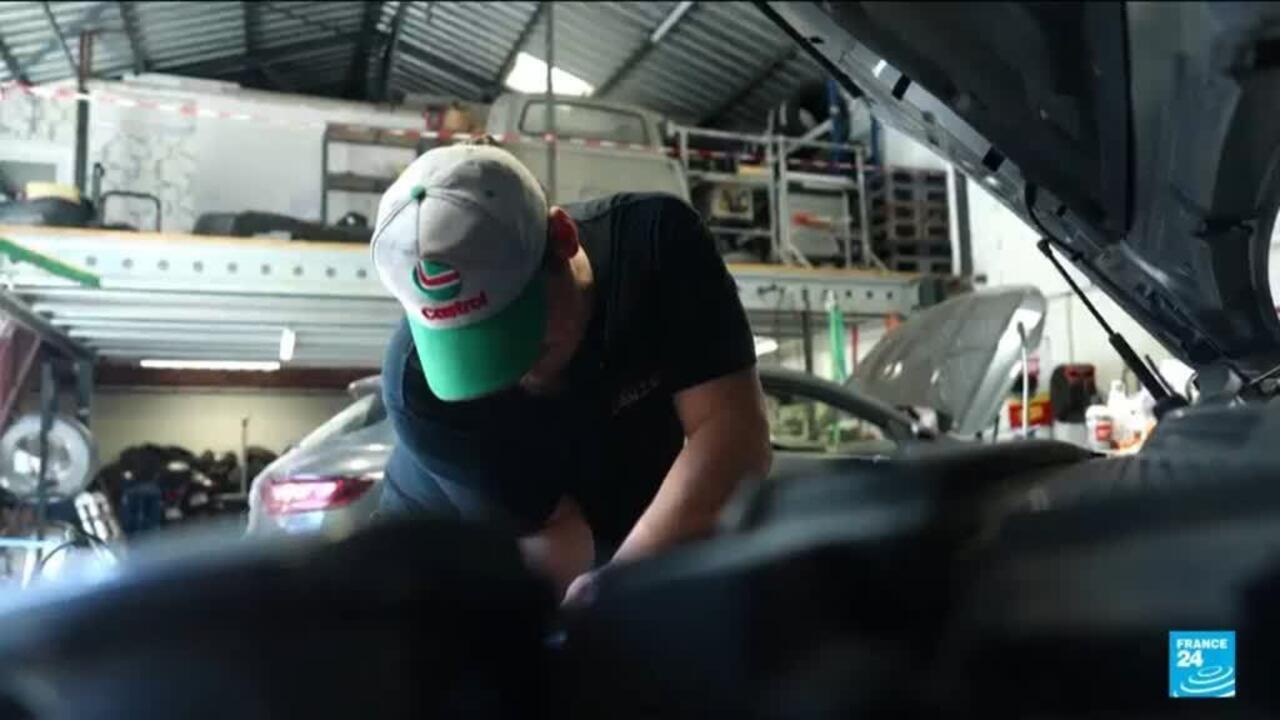
The pressure extends beyond new purchases. Tyres, motor oil, brake pads and clutch kits have at least doubled in price since last year, while some spare parts have more than tripled. For many households, maintaining older vehicles is becoming almost as difficult as replacing them.
Al Jazeera reported that Iran produced or assembled about 233,000 cars in the first five months of 2026, down from 366,000 in the same period a year earlier. Imports totalled about 25,000 vehicles. Duties and value-added tax can increase final prices by up to 200 per cent, while the government and parliament have discussed reducing import tariffs without announcing an agreement.
The affordability gap is illustrated by the experience of a Tehran marketing specialist earning about 900 million rials a month. After selling an old Peugeot 206, he would still need more than 20 months of his entire salary to upgrade to a Peugeot 207, assuming no other spending.
Officials, state media and experts have blamed protected state-linked businesses, limited competition, intermediaries and alleged corruption for high prices and poor quality. A member of Iran’s parliament described the industry as showing “traces of a mafia system”, a claim that has also been echoed by other officials and state-linked media.
The strain was visible at a three-day car exhibition in Tehran, where large queues formed despite vehicles being unaffordable for average workers. Chinese vehicles remained available through Iran’s oil-for-goods trade with China, but Al Jazeera reported that even the cheapest models on display were beyond the reach of most households.