Iranian regime escalates 'revenge propaganda' following Khamenei's death
Analysts describe the aggressive posturing as an attempt to deter international pressure and legitimise ongoing conflict amidst reported military setbacks.
The Islamic Republic has intensified its rhetoric calling for retaliation against Western targets following the death of former Supreme Leader Ayatollah Ali Khamenei. The escalation, characterised by state-aligned media and parliamentary activity, is being analysed by experts as a strategic form of psychological warfare designed to mobilise domestic supporters and signal deterrence to international opponents.
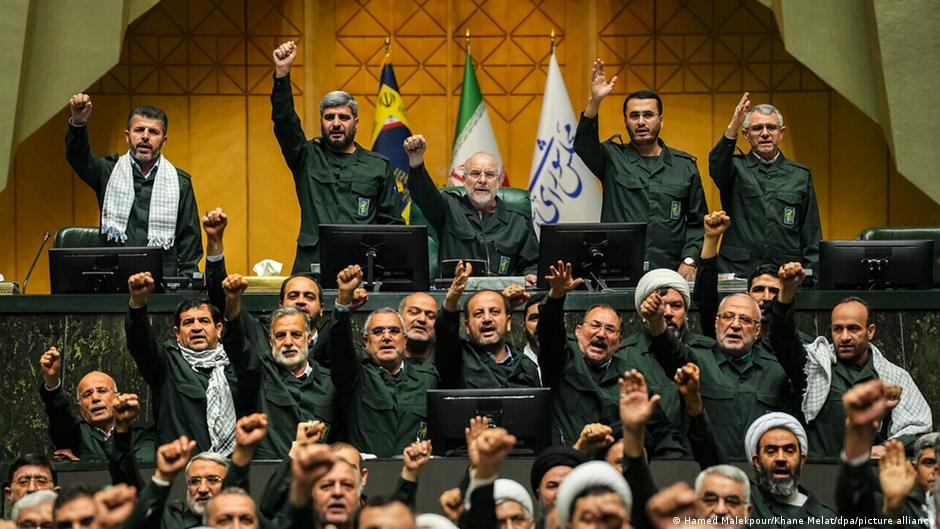
During the first in-person parliamentary session since the commencement of the war on July 14, lawmakers waved red flags bearing calls for revenge. More than 180 of the 290 members endorsed demands for retaliation, reinforcing the hardline stance adopted by the new leadership. The session underscored the regime's commitment to a narrative of vengeance rather than reconciliation or reconstruction.
State-controlled media outlets have amplified these calls, with the conservative daily Hamshahri publishing a list of 13 Western politicians and military officials under the headline "Retaliation Is Inevitable." The publication, owned by the Tehran municipality and considered close to the Islamic Revolutionary Guard Corps (IRGC), identified targets including German Chancellor Friedrich Merz and the commander of US Central Command (CENTCOM).
Mojtaba Khamenei, who assumed the role of Supreme Leader, issued a statement one week after his father’s funeral vowing to "avenge your pure blood and the blood of all the martyrs of these two wars." This focus on retribution aligns with the regime's historical pattern of responding to military defeats or security setbacks with heightened threats to project strength and operational capability.
Legal scholar Moein Khazaeli described the campaign as a strategy of deterrence aimed at portraying a weakened military apparatus as strong. He noted that the regime may be signalling a willingness to resort to terrorist methods if international pressure persists, citing the Islamic Republic’s history of overseas operations. The rhetoric also targets Iranian dissidents and activists abroad, serving to intimidate opponents of the establishment.
Political activist Reza Alijani stated that mourning ceremonies were instrumentalised to demonstrate support for the ruling establishment and divert attention from military setbacks. This was evident in reactions to the death of US Senator Lindsey Graham, with Iranian state television and pro-government Telegram channels expressing satisfaction and congratulations for a figure who had long advocated for military strikes against Iran.
The campaign appears aimed at solidifying the legitimacy of the conflict under the new Supreme Leader. By focusing on retaliation, the leadership seeks to maintain credibility with its support base, for whom the narrative of resistance remains a central pillar of state propaganda.