Liberia to host up to 1,200 US deportees under new migration accord
Monrovia has agreed to receive third-country nationals from the United States, citing historical ties to the US and a commitment to humanitarian principles.
The Liberian government has announced an agreement to accept up to 1,200 third-country deportees from the United States over the next 12 months. The first group of 20 individuals is scheduled to arrive in Monrovia on Thursday, marking the commencement of a structured transfer process.
In a statement released on Tuesday, the government clarified that the deportees will be received "as guests." They will retain the right to depart the country at their discretion or apply for asylum. The individuals involved are described as citizens or nationals of African and Western Hemisphere countries who have been medically authorised to travel.
The arrangement is part of a broader strategy by the Trump administration to secure agreements with African nations for the transfer of individuals who cannot be legally returned to their countries of origin. US court orders have frequently ruled that repatriation to home countries would place these individuals at risk of torture or other abuses.
Liberia stated that the deal does not involve direct financial compensation or a quid pro quo with the United States. However, the government confirmed it will receive unspecified support to manage the program and strengthen its migration system more broadly. The statement also referenced Liberia’s 19th-century history as a refuge for freed slaves from the US, framing the current policy within a long history of accepting people seeking refuge from political and other crises.
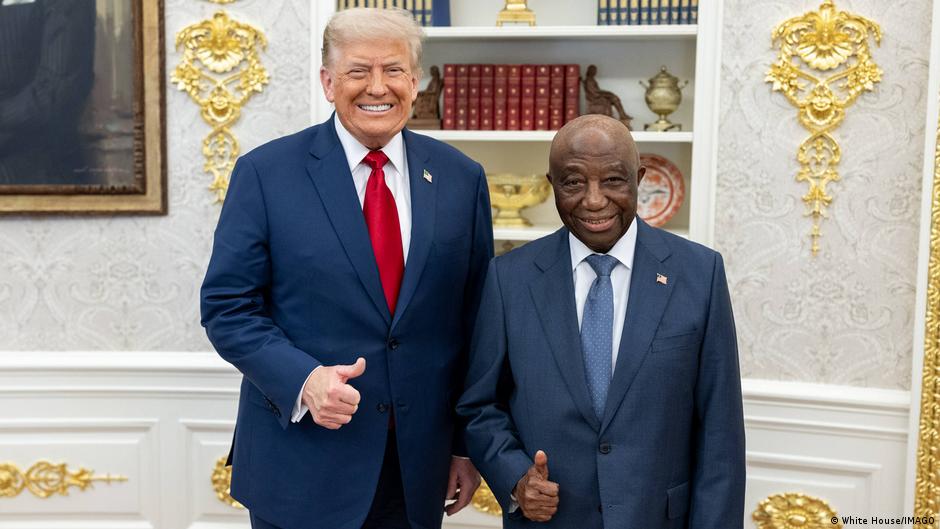
The announcement follows a visit by Liberian President Joseph Boakai to the White House approximately one year ago, where he held talks with President Trump. Liberia joins a growing list of African nations, including the Democratic Republic of Congo, the Central African Republic, Equatorial Guinea, Cameroon, Ghana, and Sierra Leone, that have reached similar accords with the US.
While the US government has defended these agreements as lawful, rights groups have raised concerns about the opacity of the details and the ultimate repatriation of some deportees. Meanwhile, the European Union is examining comparable plans that would allow member states to send rejected asylum seekers to "return hubs" in third countries under specific bilateral or multilateral conditions.