Iranian households face ‘clinical death’ of markets as food inflation hits 128 per cent
Statistical Centre of Iran data reveals soaring prices for staples, leaving middle-class families describing themselves as ‘the wealthy poor’ amid successive conflicts.
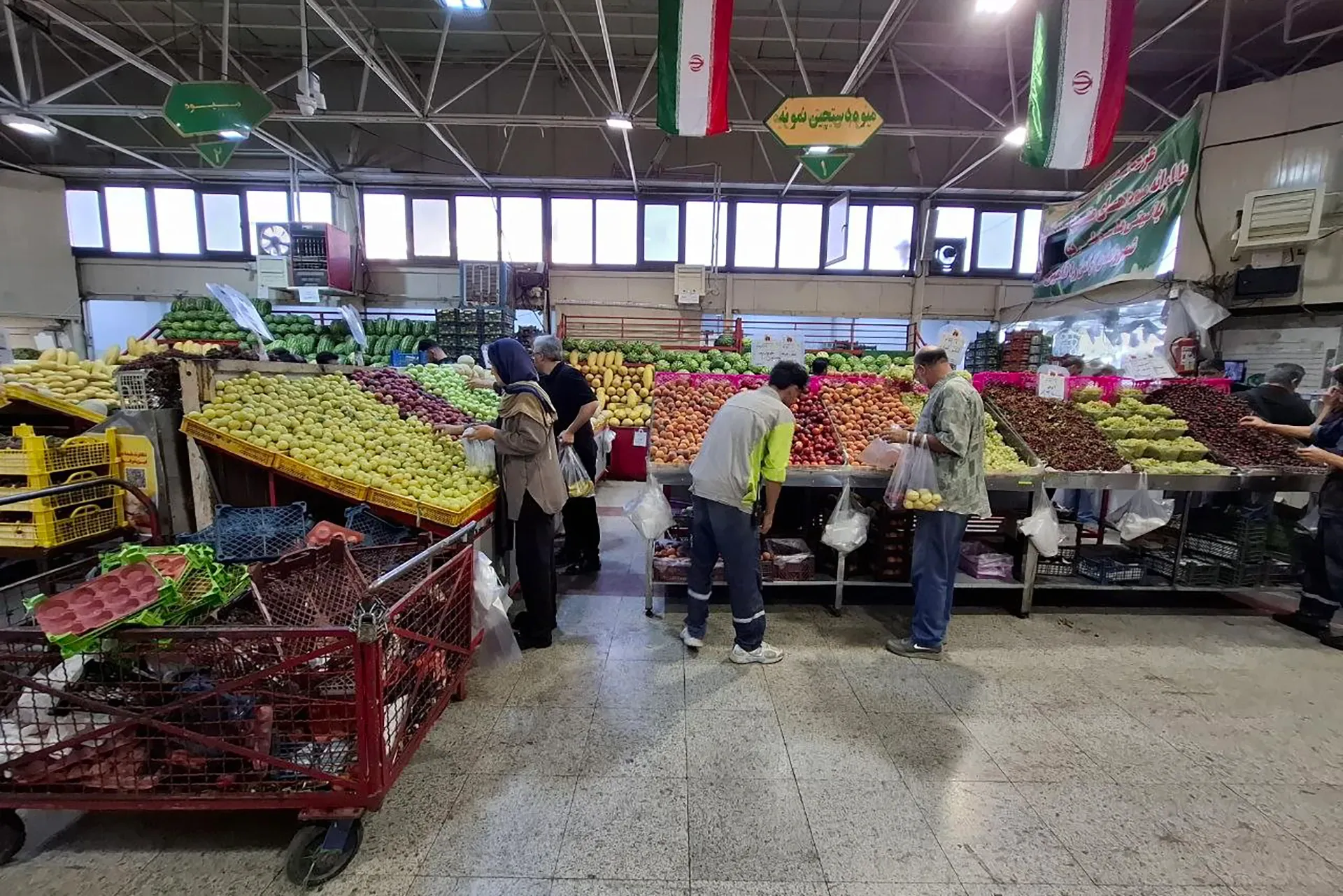
Iranian families across all income brackets are confronting severe financial distress as food inflation surged by 128 per cent between June 21 and July 20, according to data from the Statistical Centre of Iran. The price escalation, which has effectively doubled the cost of goods, is attributed to a combination of a naval blockade, two successive wars, and a collapse in the national currency.
The Statistical Centre reported that inflation rates for key food categories have exceeded 100 per cent, with oils and fats recording the highest increase at 261.5 per cent. Dairy products rose by 147.1 per cent, while red and white meat inflation reached 145.2 per cent. Even bread and cereals, a primary sustenance for low-income citizens, saw prices climb by 116.7 per cent.
The economic shock has eroded purchasing power significantly, prompting middle-class citizens to describe themselves as ‘the wealthy poor’. Maryam, a 34-year-old architect in Tehran, noted that despite working in the private sector, she now counts every rial. She highlighted that the poverty line in the capital has risen to 900 million rials, approximately $654, a threshold many previously high-income families are now approaching.
Retailers report a drastic shift in consumer behaviour, with customers requesting credit for goods despite daily price fluctuations. Mahmoud, a grocery shop owner in Tehran, stated that he refuses credit requests because wholesale prices change daily. He compared the current market conditions to a state of ‘clinical death’, noting that even during the Iran-Iraq War from 1980 to 1988, markets maintained a minimum level of daily purchasing activity.
Despite the severe inflation and ongoing conflicts with the United States and Israel, the country’s economy has not fully collapsed. Iran, a major oil exporter with a population of more than 92 million, has developed a relatively diversified domestic economy over decades, leaning on self-sufficiency in response to Western economic embargoes. However, the current data indicates that inflation has encompassed most commodities, leaving households struggling to afford basic necessities.