Iranian citizens face deepening medicine shortages amid fragile ceasefire
Despite sanctions exemptions for medical goods, banking restrictions and wartime infrastructure damage are driving sharp price increases and rationing of critical drugs such as insulin and anti-platelet medications.
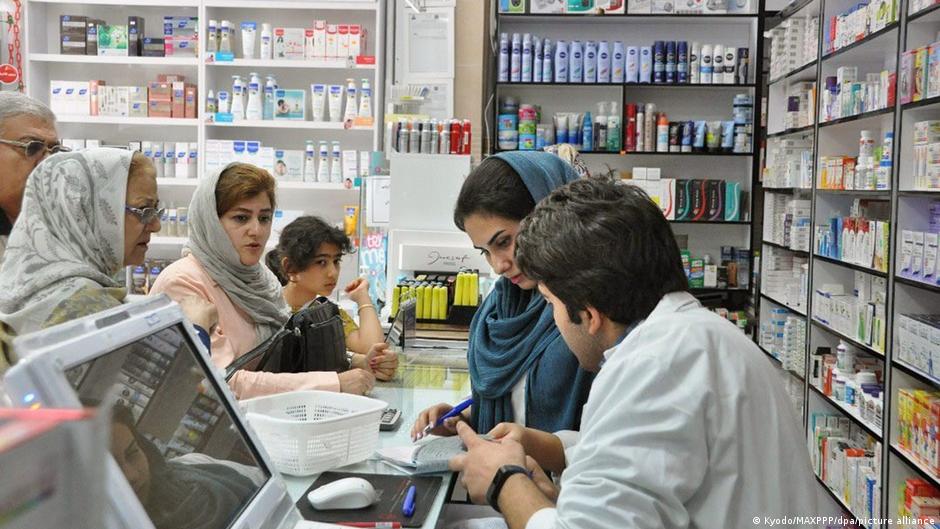
The pharmaceutical landscape in Iran is deteriorating rapidly as the country navigates a fragile ceasefire with the United States and Israel. While official narratives suggest that strategic reserves and domestic production capabilities have averted a total collapse in healthcare provision, on-the-ground accounts from patients, medical professionals, and industry representatives indicate a severe and widening crisis in access to essential medicines.
The disruption stems from a convergence of factors, including damaged health infrastructure, severed regional supply routes, and persistent financial bottlenecks. Although medical goods are technically exempt from international sanctions, banking and payment restrictions continue to render procurement slow, complicated, and prohibitively expensive. This financial choke point, combined with currency volatility and long-standing pressure on insurers, has historically constrained the sector, but the current conflict has intensified these pressures significantly.
Hadi Ahmadi, spokesperson for the Iranian Pharmacists Association, has issued warnings regarding the sustainability of domestic manufacturing. He noted that the war threatens to create new shortages in critical pharmaceutical production materials, specifically aluminium and petrochemical inputs. The scarcity of these industrial feedstocks and packaging materials poses a risk to future production capabilities, even where current stock levels remain visible on shelves.
Clinical reports highlight a shift from shortages of rare specialised drugs to disruptions in routine treatments. In the northern city of Rasht, a relative of an elderly diabetic patient reported that insulin was being rationed and sold at a sixfold markup compared to the previous week. Similarly, a patient requiring daily medication for a chronic condition described a six-week struggle to locate a single prescription, relying on informal networks and social media groups to track pharmacy stock as traditional supply chains falter.
The human cost of these economic and logistical failures is becoming increasingly apparent in medical settings. A cardiologist observed that soaring prices are forcing patients to abandon necessary prescriptions entirely. In one instance, a pharmacy was reported to be keeping the anti-platelet drug Osvix in a safe due to its extreme scarcity and cost, rendering it effectively inaccessible to those who need it. Meanwhile, informal networks involving relatives abroad, previously used to source medicines from Europe or neighbouring countries, are becoming less viable due to tighter restrictions and weakened communication channels.