Iranian authorities grant passage for Japan-linked crude tanker through Strait of Hormuz
Ship tracking data indicates the vessel is heading toward a major Japanese petrochemical hub following official clearance from Tehran
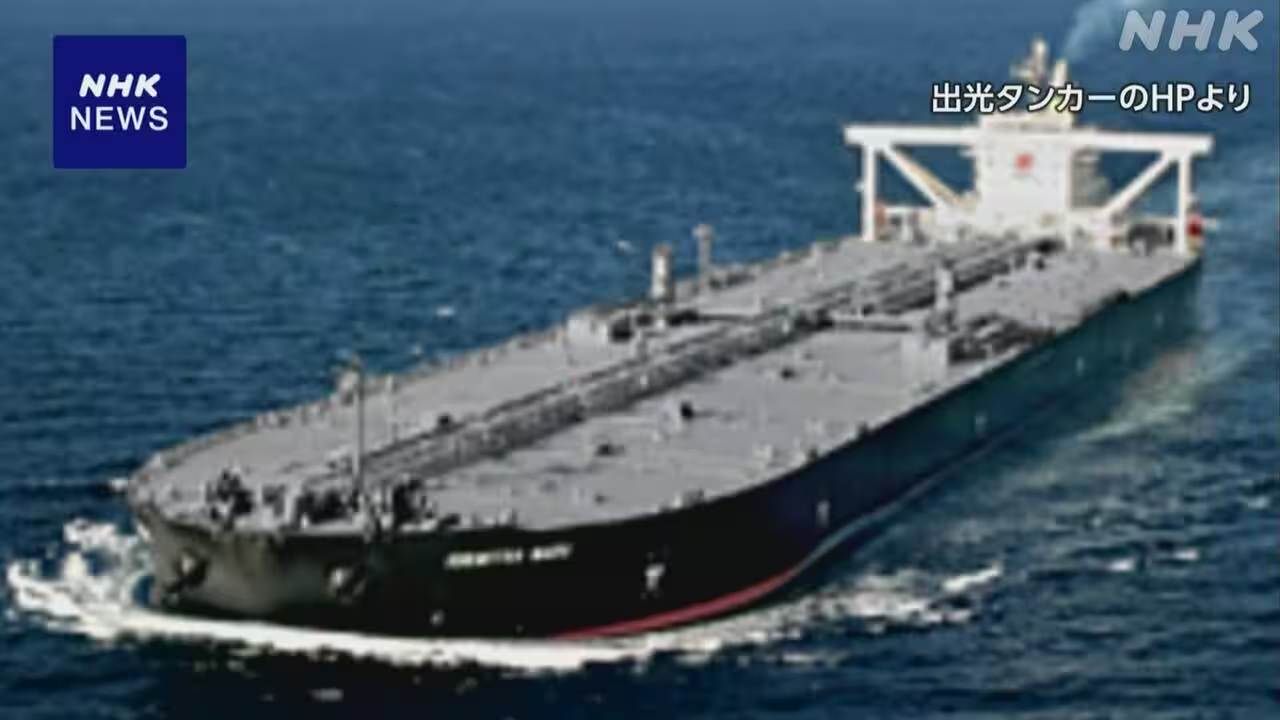
Iranian state media has confirmed that a large tanker linked to Japan, carrying crude oil, has passed through the Strait of Hormuz with permission from Iranian authorities. This development marks a significant movement of energy resources through one of the world's most critical maritime chokepoints, occurring amidst continued scrutiny of shipping routes connecting the Middle East and Asia.
The vessel, identified only as Japan-linked in the available reporting, is currently en route to the port of Nagoya. Ship tracking data from MarineTraffic indicates the ship is heading toward this destination, which serves as a major hub for Japan's petrochemical industry and oil refining capabilities. While the specific name, flag, or exact ownership structure of the tanker has not been disclosed, the confirmed cargo remains crude oil.
The Strait of Hormuz remains a vital artery for global oil supply, and the granting of passage by Iranian officials underscores the complex interplay between regional security concerns and commercial energy logistics. The report relies on Iranian state media, though it is corroborated by independent ship tracking services that monitor vessel movements in real-time.
Tensions in the region often lead to heightened scrutiny of shipping routes involving Japan and Iran, making the details of this transit particularly relevant for policy observers. The lack of specific volume figures or definitive ownership details means the full economic impact of this shipment remains unclear, yet the route itself is a key indicator of ongoing trade dynamics.
As the vessel approaches Nagoya, the event draws attention to the resilience of energy supply chains despite geopolitical friction. The absence of independent verification from Japanese or international shipping authorities regarding the specific terms of the charter or registry leaves some ambiguity regarding the precise nature of the Japan-linkage.
This incident, reported by NHK News Japan on 29 April 2026, adds another data point to the broader narrative of energy flow between the Persian Gulf and East Asia, where policy decisions in Tehran directly influence global market access.