Iran warns infrastructure ‘will not be safe’ as US-Iran peace deal collapses
Mohammad Bagher Ghalibaf issues stark warning regarding regional security, while President Donald Trump threatens retaliatory strikes on Iranian power plants and bridges.
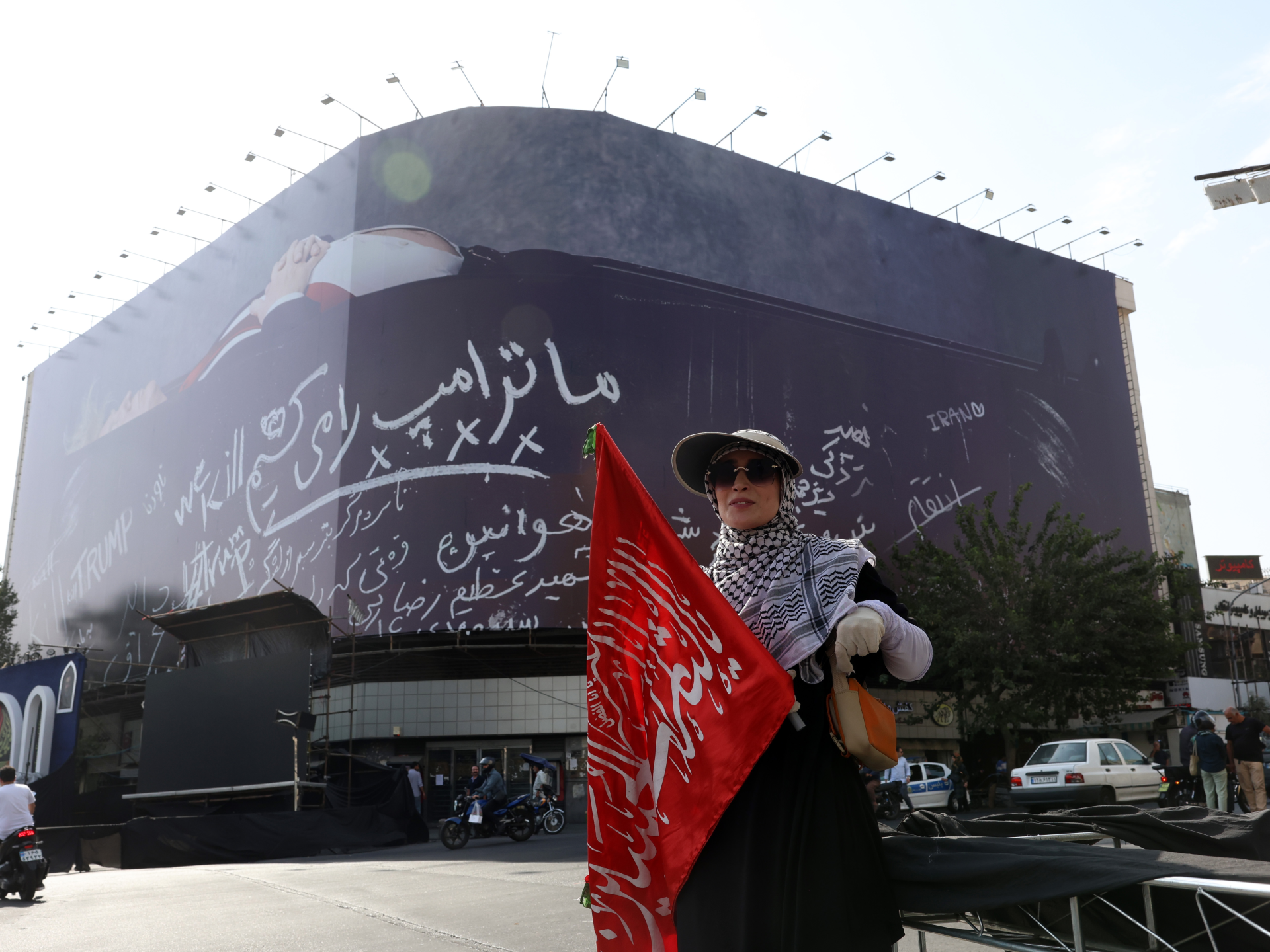
Iran’s chief negotiator, Mohammad Bagher Ghalibaf, has warned that no infrastructure in the region would remain safe unless Tehran’s security is guaranteed, following eleven consecutive nights of United States military strikes on Iranian power plants and roads. The statement, posted on X on Wednesday, comes as diplomatic efforts to salvage an interim peace deal have unravelled, with both nations escalating hostilities in the Gulf.
Ghalibaf’s warning was issued in direct response to US President Donald Trump’s threat to attack one Iranian power plant or bridge for every ship targeted by Iranian forces in the Strait of Hormuz. “In a region where we do not sell oil, no one will sell oil,” Ghalibaf said. “If our security is not ensured, no infrastructure will be safe.”
The conflict has resulted in significant casualties on both sides. According to Iran’s Ministry of Health, US attacks since late last month have killed 53 people, including three children, and injured 590 others. Iran has responded with strikes on US allies Bahrain, Kuwait, and Jordan, including attacks on water and power facilities in Kuwait. An Iranian strike on an air base in Jordan on Friday killed three US service members, while a fourth soldier died in Erbil, Iraq, on Sunday from a controlled detonation of an attack drone. These deaths bring the total number of US personnel killed to 18, according to the US military.
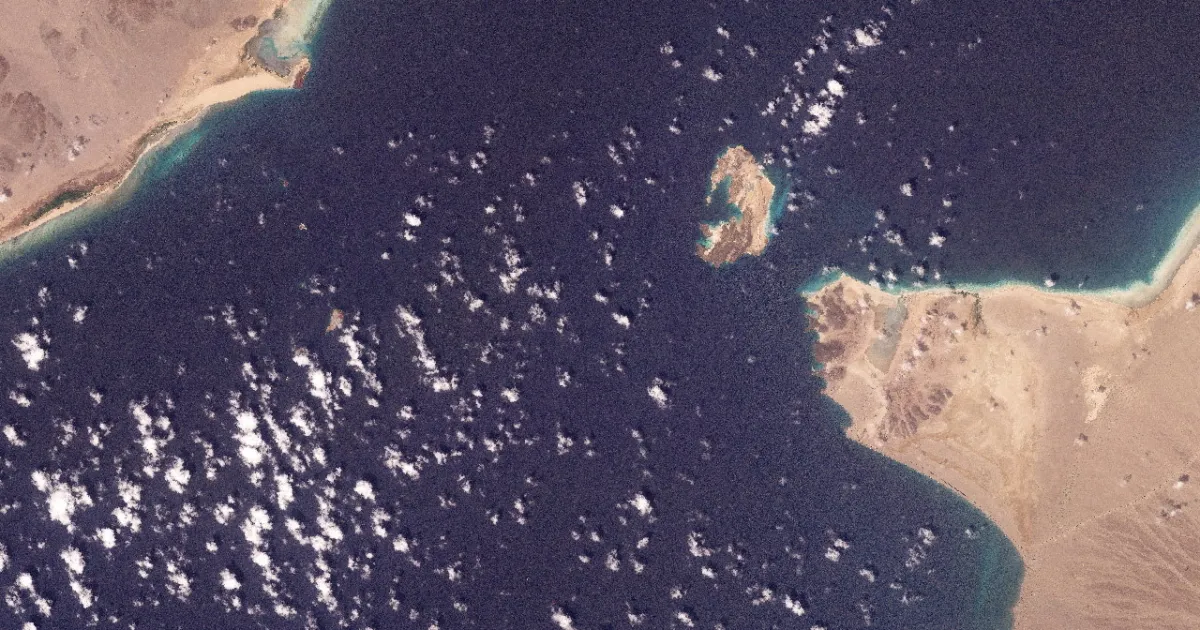
Tensions are further complicated by the status of critical energy routes. Iran has insisted on maintaining control over the Strait of Hormuz, though the US military’s Central Command (CENTCOM) stated the strait “remains open for transit” despite threats from Iran’s Islamic Revolutionary Guard Corps. Meanwhile, Iran-allied Houthis in Yemen declared a blockade of Saudi ports, prompting five tankers to change course in the Red Sea and threatening the Bab al-Mandeb Strait.
Diplomatic channels have effectively stalled. US Secretary of State Marco Rubio stated that Iran is not serious about diplomacy, despite Iranian officials reaching out to Washington. “If they’re serious, we’re serious. If they’re not, then we will do what’s necessary to protect our interests, and also the interests of our allies,” Rubio told reporters in Manila. Iran’s Foreign Minister Abbas Araghchi echoed the hardline stance, promising to retaliate “an eye for an eye” against any future aggression.