Iran vows Strait of Hormuz closure until US ends war and releases assets
Tehran consolidates military leadership and warns of infrastructure retaliation while President Pezeshkian cites internal destabilisation efforts amid a deepening economic crisis.
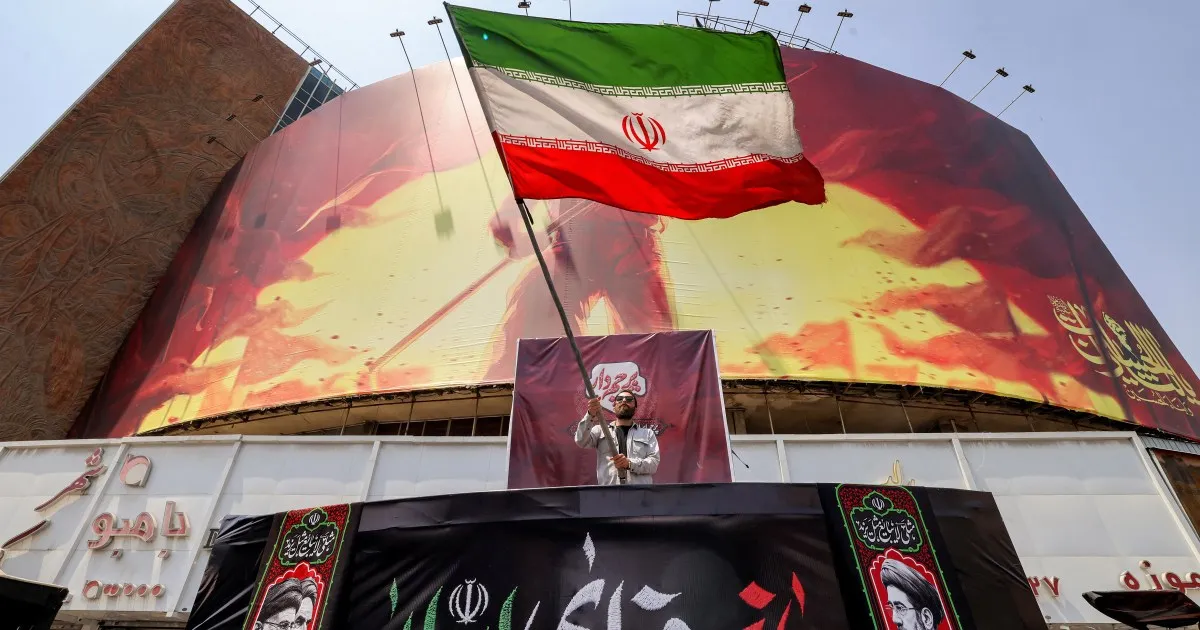
Iran’s new security chief, Mohsen Rezaei, has declared that the Strait of Hormuz will remain closed until the United States ends the ongoing war and blockade, releases frozen Iranian assets, and agrees to a region-wide ceasefire. The statement, issued late on Tuesday following a meeting with China’s envoy Cong Peiwu, reinforces Tehran’s hardline stance after nearly six months of conflict with Washington. Rezaei, the former commander-in-chief of the Islamic Revolutionary Guard Corps (IRGC), emphasised that any potential arrangement with Oman regarding the waterway is separate from negotiations with the US, though such a deal does not appear imminent as military action continues.
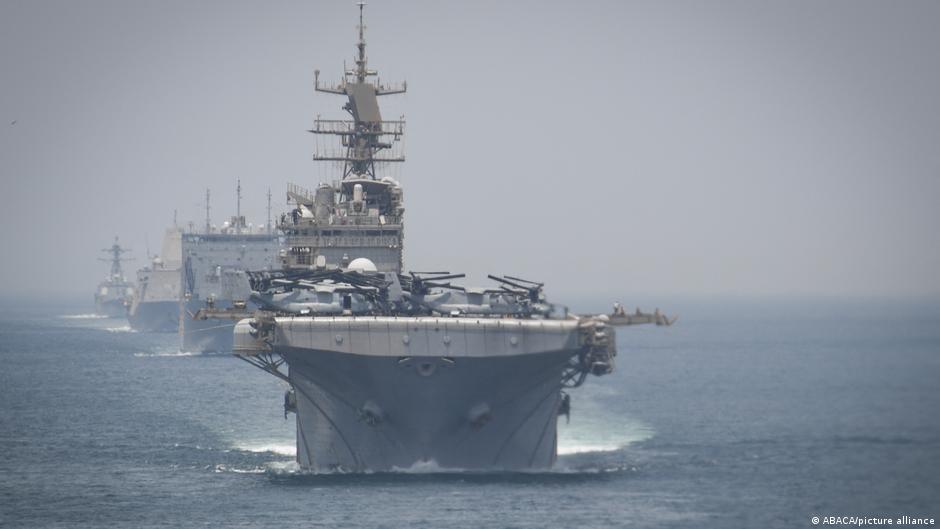
The declaration comes amidst intensifying naval engagements in the region. The US Navy reported firing Hellfire missiles at a Panama-flagged vessel on Tuesday, marking the 12th vessel attacked by US forces since April and the third since the blockade resumed following the collapse of a June memorandum of understanding. Simultaneously, Iran-aligned Houthis launched a maritime attack on an Egyptian-owned ship in the Red Sea, killing six people, while a merchant ship was reportedly hit by a projectile off the coast of Oman on Sunday night.
IRGC officials have presented a narrative of sustained military resilience, claiming the force has produced more ballistic missiles and drones than it has expended. Mohammad Reza Naqdi, an adviser to the IRGC chief commander, stated on state television that the force relies on native capabilities and could sustain operations for years. IRGC spokesman Hossein Mohebbi further claimed that no US warships remain in the Persian Gulf and threatened that any further threats to Iran would expose global infrastructure, including energy lines and internet systems, to retaliation.
In response to the escalating conflict, Supreme Leader Mojtaba Khamenei has consolidated military leadership by appointing six new figures to key posts. These include Hossein Taeb as head of the Basij force and Ali Abdollahi as head of the General Staff of Armed Forces. Abdollahi, previously leading the Khatam al-Anbiya joint wartime command, has been tasked with integrating operations and upgrading capabilities across missile, drone, naval, and cyber warfare domains to ensure readiness around the Strait of Hormuz.
President Masoud Pezeshkian warned that adversaries are seeking to destabilise Iran from within through nationwide protests, capitalising on a worsening economic crisis. He described the current war as more complex than previous conflicts, with enemies pursuing internal collapse. Meanwhile, border officials dismissed US claims of a potential ground assault by Iraqi-based Kurdish fighters as delusional, asserting that Iran’s borders remain secure. Despite diplomatic efforts by mediators such as Pakistan and Qatar, tensions persist with no clear path to de-escalation.