Eritrea’s Red Sea Strategy: Geopolitical Leverage Amid Regional Instability
Analysts point to Eritrea’s strategic port control and internal stability as key factors attracting regional powers, though succession risks and mass emigration pose long-term challenges.
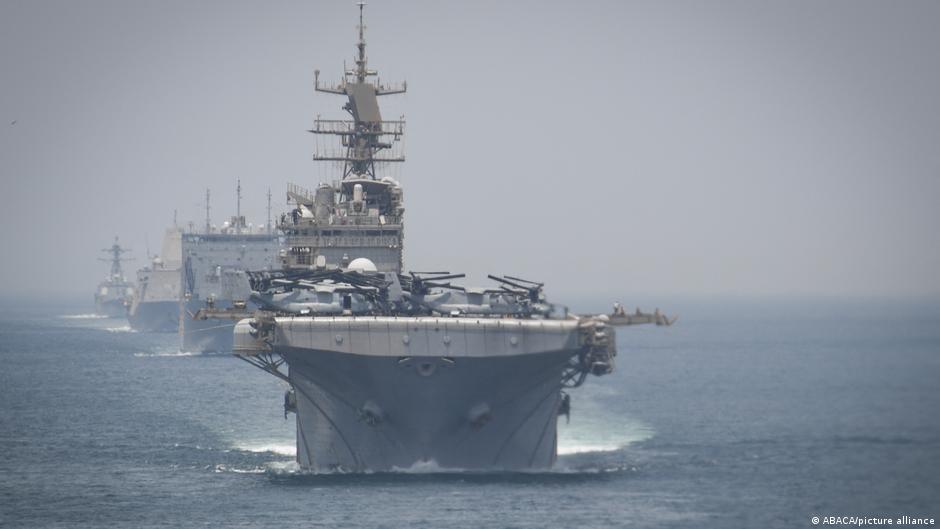
Eritrea is consolidating its position as a pivotal geopolitical actor in the Horn of Africa, leveraging its control over strategic Red Sea ports and a reputation for internal stability amidst widespread regional conflict. According to a recent analysis by Deutsche Welle World, the nation’s location near the Bab-al-Mandab Strait has become increasingly critical for maritime security, particularly given the ongoing instability in Yemen and broader tensions involving Iran.
The country’s strategic value was underscored during diplomatic consultations in Cairo in July, which brought together regional powers including Egypt, Somalia, and a high-ranking US envoy. These talks highlighted Eritrea’s growing role in coordinating security and trade approaches to address serious challenges in the Horn of Africa. The consultations reflect a broader recognition of Eritrea’s unique position as a secure hub in a volatile region, where maritime routes are frequently threatened by Houthi attacks and humanitarian crises.
In May 2026, Eritrea and Egypt formalised this deepening partnership by signing an agreement to establish direct freight connections between their respective Red Sea ports. This new trade corridor aims to expand independent trade and supply chains, offering Gulf states an alternative route should the Strait of Hormuz face blockages. With Eritrea’s coastline stretching over 1,000 kilometers and bordering Sudan and Djibouti, the agreement reinforces the nation’s importance as a logistical node for international commerce.
President Isaias Afewerki’s autocratic rule has maintained internal peace, a stark contrast to the conflicts in neighbouring Ethiopia, Sudan, and Yemen. This stability has attracted interest from regional powers such as Saudi Arabia and Egypt, which seek reliable partners for trade and security. However, experts warn that the lack of constitutional institutions and a clear successor to the 80-year-old president poses significant long-term risks to the state’s stability.
The geopolitical landscape is further complicated by tensions with Ethiopia, which has sought sovereign access to the Red Sea since its split from Eritrea in 1993. Analysts suggest that Asmara’s diplomatic outreach to Egypt, Somalia, the United Arab Emirates, and even Ethiopian opposition groups is designed to counterbalance Addis Ababa’s influence. This delicate balancing act is crucial for Eritrea, which aims to maintain neutrality while securing its strategic interests.
Despite its geopolitical gains, Eritrea faces significant internal challenges, including severe human rights concerns and high emigration rates. At least 700,000 people have left the country since its founding, representing approximately a fifth of its total population. Migration researchers note that ongoing human rights violations, mandatory military service, and a lack of economic prospects continue to drive citizens to seek refuge abroad, with population growth remaining under 2%.
As Eritrea navigates its role as a key player in the Red Sea, the interplay between its strategic assets and internal vulnerabilities remains a central theme in regional diplomacy. The nation’s ability to sustain its partnerships and manage succession risks will likely determine its long-term influence in the Horn of Africa.