Iran stalls on 14-point US peace plan amid nuclear and Hormuz impasse
Negotiations remain deadlocked over uranium enrichment limits, the strategic status of the Strait of Hormuz, and UN guarantees for Lebanon
The Trump administration has indicated it expects a response to a 14-point proposal to end the regional conflict by this Friday, yet Tehran continues to review the offer without committing to a timeline. While Washington anticipates a reply within hours, Iranian officials state that the process requires the final approval of Supreme Leader Mojtaba Khamenei and raises significant concerns regarding the technical specifics of the text.
The core of the disagreement centres on the nuclear programme and the strategic control of the Strait of Hormuz. The US proposal demands that Iran freeze uranium enrichment for at least 12 years and surrender an estimated 440kg of 60 per cent enriched uranium. In return, the United States promises to lift some sanctions and release frozen assets, though it insists Iran must reopen the Strait of Hormuz within 30 days.
Iranian Foreign Minister Abbas Araghchi has publicly questioned the reliability of US leadership, referencing previous military actions during negotiations in June 2025. Tehran refuses to dismantle nuclear facilities or hand over its enriched stockpile, arguing that the strategic environment has fundamentally changed since the war began. Consequently, Iran insists on maintaining influence over the waterway rather than reverting to a pre-war status quo, a position Secretary of State Marco Rubio argues cannot be normalised.
Complicating the talks is the situation in Lebanon, where fighting between Hezbollah and the Israeli army has persisted since 17 April despite a ceasefire declared on 8 April. Iranian officials are pursuing a three-phase approach that requires a permanent end to hostilities on all fronts, including a guarantee that attacks will not resume. The US struggles to provide such assurances given the ongoing conflict, which the Lebanese Ministry of Public Health says has resulted in more than 2,700 deaths and 8,500 injuries since March.
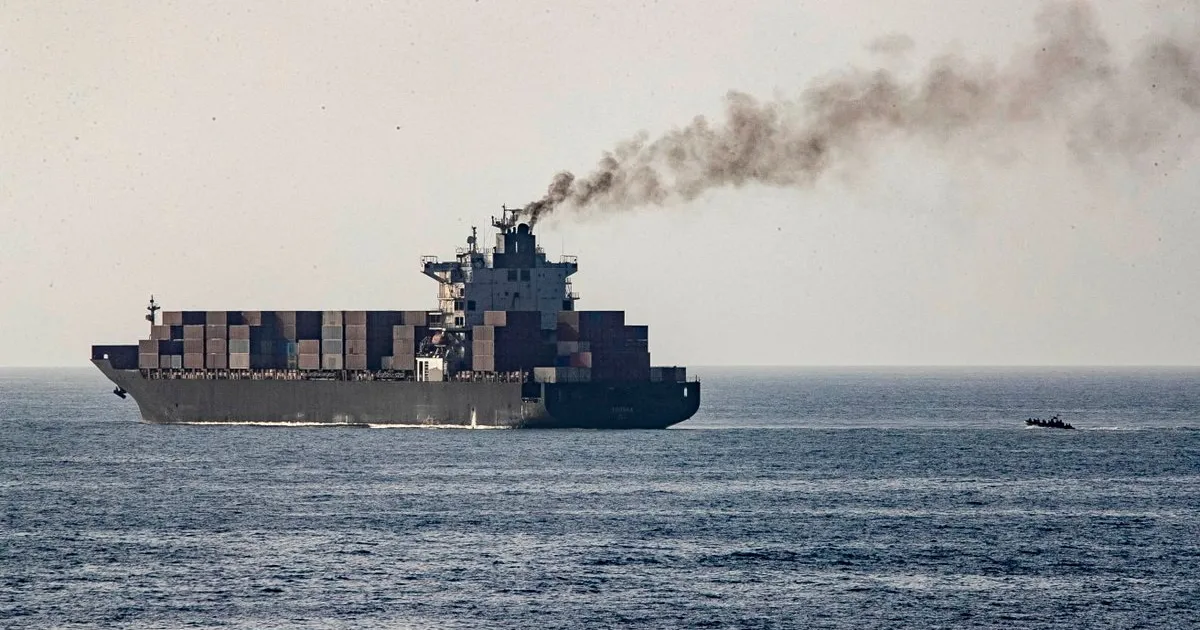
Tensions have escalated further following the US decision to impose a naval blockade on Iranian ports, a move that has triggered sporadic skirmishes near the waterway. The Strait of Hormuz remains a critical chokepoint through which a fifth of global crude oil and gas passes. While the Trump administration has repeatedly stated that a deal is very possible, the technical nature of the offer and the need for multi-centre approval within Iran have stalled progress.
The delay has drawn commentary from analysts who suggest Tehran is leveraging the impasse to demonstrate control over the situation. With the US expressing impatience for a quick resolution, the gap between Washington's desire for a rapid process and Tehran's requirement for comprehensive, fair terms remains wide. The administration hopes the response will initiate serious negotiations, but the current deadlock highlights the deep mistrust between the two sides.