Iran signals offensive posture as US-Iran MoU expires
Tensions over the Strait of Hormuz escalate following the expiration of a Memorandum of Understanding, with Iranian officials reinforcing coastal defences and issuing rewards for attacks on US personnel.
Iranian authorities have signalled a shift toward a more offensive military posture as a Memorandum of Understanding with the United States officially expires on Monday. Brigadier General Yadollah Javani, head of the political bureau of the Islamic Revolutionary Guard Corps, stated that forces are prepared to take necessary actions to defend the country, warning opponents to expect strategic surprises.
The expiration of the agreement follows a period of heightened tension over the Strait of Hormuz, where fighting restarted last month despite a ceasefire agreed in June. Iranian officials have dismissed the significance of the MoU’s expiration, with Parliament speaker Mohammad Bagher Ghalibaf describing the document as a symbol of diplomatic victory. He asserted that Iran emerged victorious from recent conflicts involving the US and Israel, noting that Washington failed to achieve any of its stated objectives.
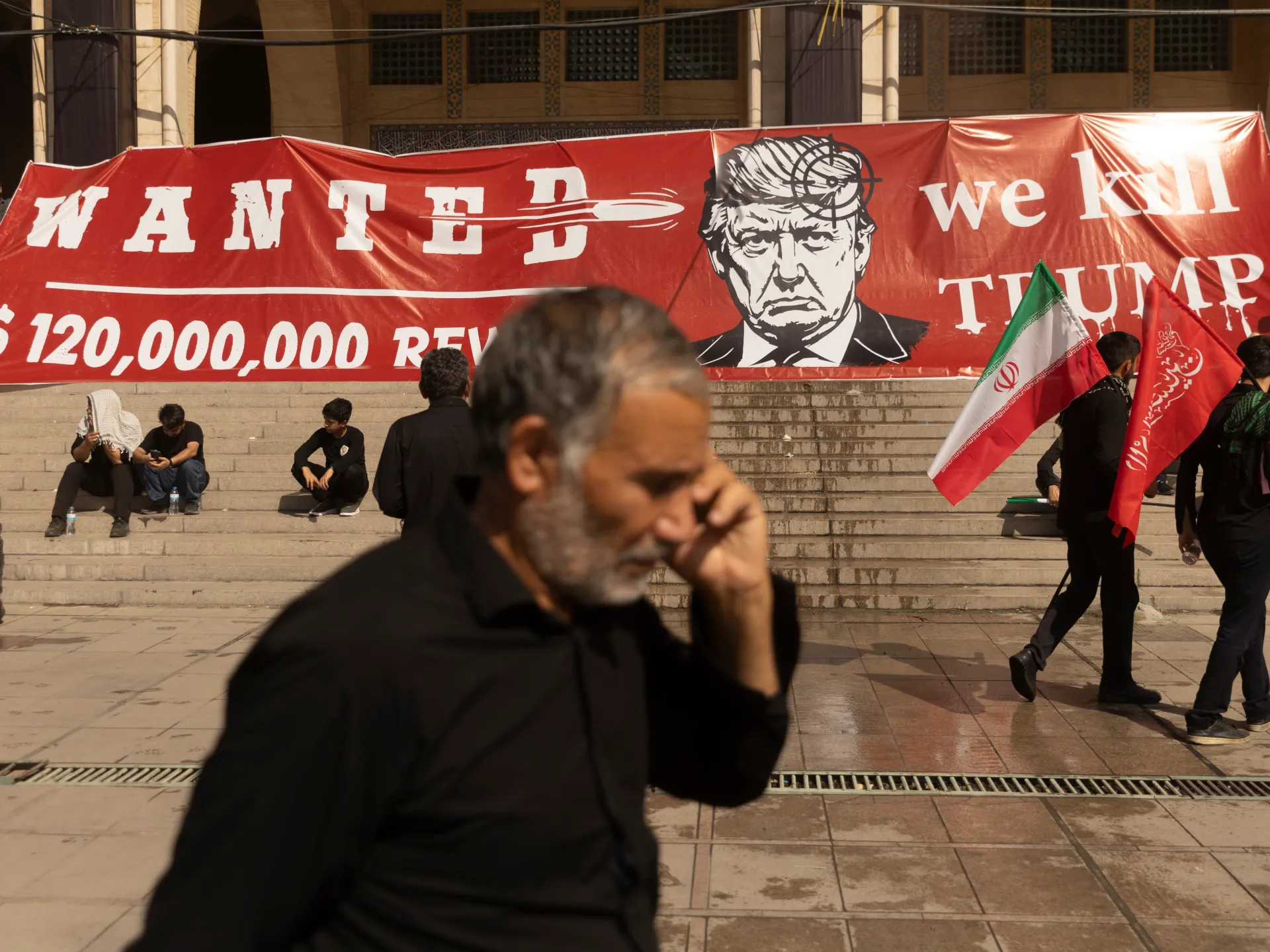
Military readiness has intensified across the region. Iranian Army Chief Amir Hatami issued a $30,000 reward for the killing or capture of US soldiers involved in any ground operation on Iranian soil, with the reward doubled for women. Hatami referenced recent Iranian attacks on US forces in Jordan, stating that hands are open to reach aggressors. The IRGC has also identified US and regional allies’ infrastructure, including energy networks and power plants, as potential targets if civilian infrastructure is hit.
Concerns regarding potential ground incursions have been raised by Iranian leadership. Hardline politicians and media outlets have discussed the possibility of mounting ground operations against US interests in Bahrain and Kuwait if Washington invades Iran. Mohsen Rezaee, secretary of the Supreme National Security Council, suggested that the US Central Command refrained from hitting Tehran or northern Iran during recent flare-ups due to half-baked plans, believing that a ground assault would require significantly more troops than currently deployed.
Defensive measures have been reinforced along the coast. Rapid-response units have been deployed to Iranian territories around the Strait of Hormuz, with the aim of preventing foreign troops from landing. Authorities have also prepared scenarios to defend individual islands and coastal areas, including critical oil export terminals on Kharg Island. The Ministry of Foreign Affairs indicated that ongoing talks with Oman regarding the partial reopening of the Strait are delayed due to legal and technical complexities.