Iran seeks land corridor through Pakistan to bypass US naval blockade on Strait of Hormuz
Documents reveal discussions between Iranian and Pakistani officials on a route involving truck transport across the 900km border, though no final agreement has been confirmed
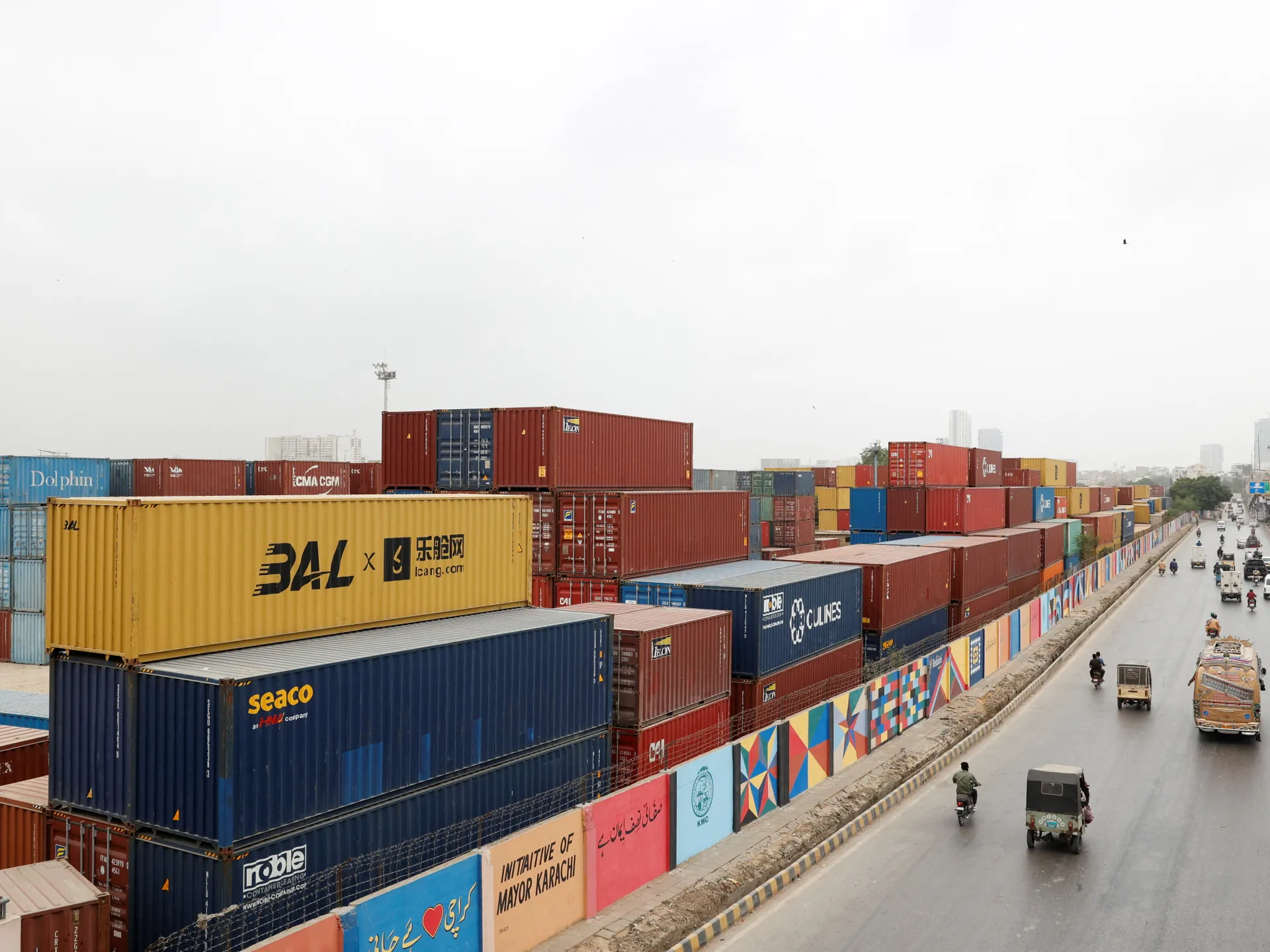
Following the imposition of a US naval blockade on the Strait of Hormuz since 13 April, Iranian officials are actively seeking alternative land transit routes through Pakistan to move approximately 3,000 containers of stranded cargo. These vessels, intended for Iranian ports, remain stuck at Karachi port due to the maritime restrictions enforced by the Trump administration, which has halted ships destined for or leaving Iranian ports since mid-April.
Documents obtained by Al Jazeera indicate that Iranian and Pakistani officials are discussing a plan where Pakistani trucks would transport the cargo across the 900km border to Iran. Under this proposed arrangement, Iranian transport would take over once the goods cross the frontier, potentially with additional payment to truckers to deliver the goods directly to final destinations within the Islamic Republic.
While Pakistani officials have confirmed consultations regarding this initiative, they have described the plan as a "possible answer" to ease the burden on Karachi port, noting that no final agreement has been reached yet. The discussions involve both government leaders and industry representatives from both nations, reflecting a coordinated effort to mitigate the logistical and economic fallout of the blockade.
Analysts suggest this move aims to bypass the maritime restrictions imposed by the US, which effectively controls Iran's ability to import goods it desperately needs. Finance and policy analyst Javed Hassan, an adviser to the Islamabad-based Centre for Research and Security Studies, noted that while Iran has built resilient architecture during decades of sanctions, the current economic chokehold could exert significant pressure on the nation's fiscal lifeline.
The proposed land route is acknowledged to be slower and more expensive than sea shipping, yet reports indicate Iran is willing to absorb the higher costs to maintain supply chains. This strategy underscores a shift in decision-making logic where endurance becomes the primary objective function when a leadership perceives an existential threat, rather than adhering to standard peacetime cost-benefit analysis.
Despite the potential for this overland corridor to alleviate immediate congestion at Karachi, the broader context of the Strait of Hormuz remains volatile. The US naval blockade strategy continues to halt maritime shipping, exacerbating economic pressures on Tehran as it struggles to secure essential imports of refined fuel and food grains amidst rising insurance premiums and fragmented cargo ownership.