Iran reopens stock exchange with partial suspension amid economic strain
Despite modest gains in the TEDPIX index and buy queues outpacing sellers, the market reopening is overshadowed by inflation exceeding 70 percent, a depreciating rial, and a US naval blockade.
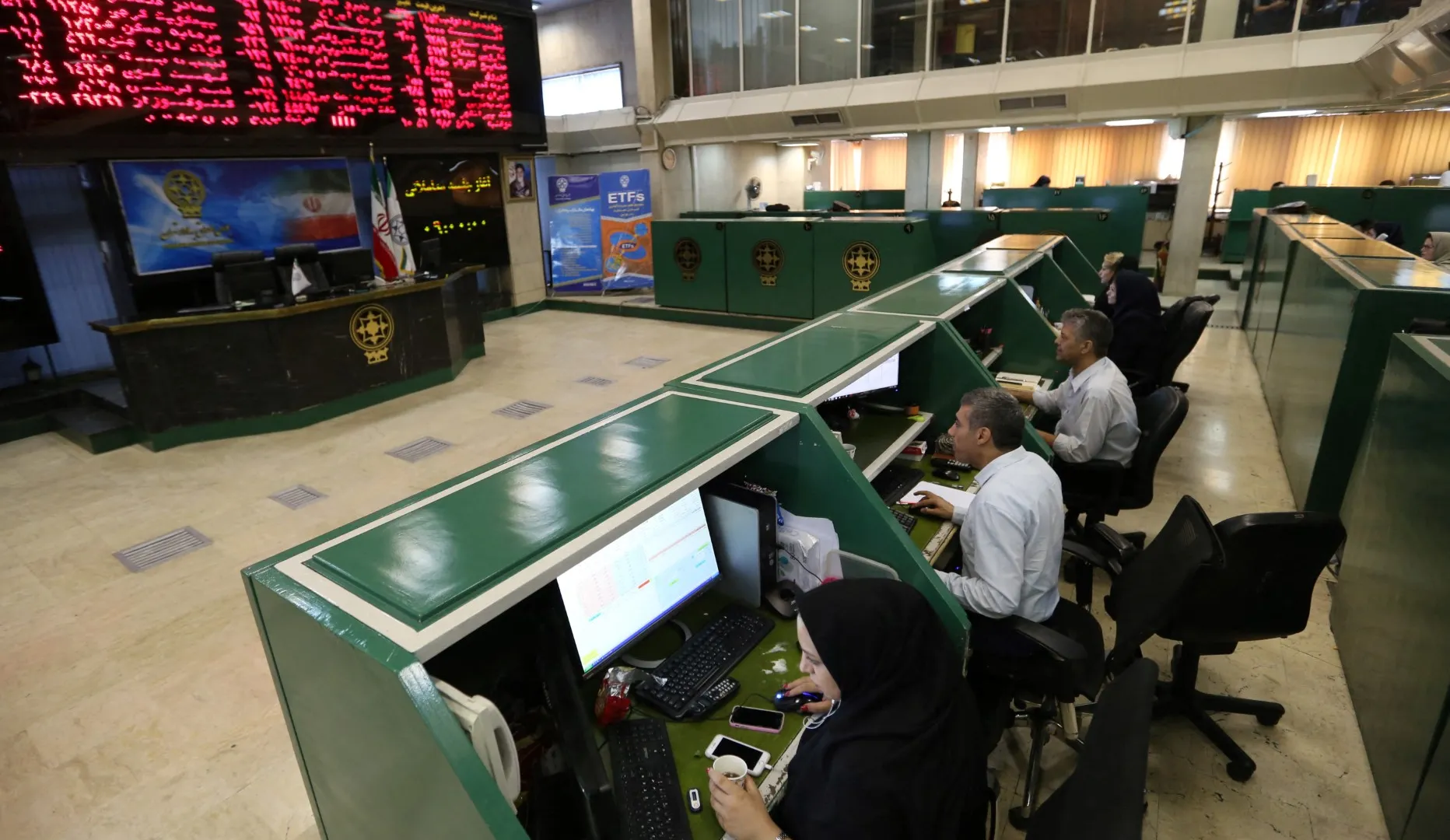
The Tehran Stock Exchange has concluded a near-three-month suspension with a two-day controlled reopening, though significant restrictions remain in place to mitigate volatility. Approximately 36 percent of listed companies, including major energy and steel producers targeted by recent US and Israeli strikes, were excluded from trading to protect shareholders and prevent excessive selling pressure. Hamid Yari, deputy supervisor of the Securities and Exchange Organization, confirmed that 42 ticker symbols remained offline, a move designed to support market stability during the transition.
The reopening saw modest positive indicators, with the main TEDPIX index adding 44,000 points on Wednesday to stand above 3,758,000. Buy queues outpaced sell queues across the session, and the equal-weight index marginally improved, suggesting broad-based movement rather than reliance on a few large caps. To facilitate the process, authorities extended trading windows by one hour on both days and temporarily barred brokers from forcing investors to add cash or sell shares if they fell below required position thresholds.
Companies absent from the reopening included Fajr and Mobin petrochemical giants, Khuzestan and Mobarakeh steel firms, and utility companies with significant investments in infrastructure targeted by the conflict. Equity funds with more than 35 percent of their portfolios invested in these affected sectors also had their trading suspended until further notice. The stated objective was to prevent additional selling pressure while the market adjusts to the new security and economic landscape.
Underlying economic challenges continue to weigh heavily on the financial sector. Inflation rates exceeded 70 percent in late April, a situation exacerbated by a US naval blockade of Iran’s southern ports and a depreciating rial. The TEDPIX had reached an all-time high of nearly 4,500,000 at the start of 2026 before declining due to nationwide protests and the onset of war. The market remains relatively underdeveloped due to international sanctions and isolation from global financial markets, accounting for a smaller share of financial activity than banks and the state.
Economist Mehdi Haghbaali noted that while the reopening proceeded better than expected, this may reflect the severity of the existing economic distress rather than genuine optimism. He highlighted significant difficulties for brokerage firms, particularly smaller ones, and pointed out that many traders held leveraged positions through credit lines that expired during the closure. Haghbaali warned that rising inflation and disrupted trade could hinder the creation of real value, potentially requiring authorities to reintroduce import restrictions despite the need for materials to rebuild war-damaged infrastructure.