Iran regime maintains defiant posture despite Strait of Hormuz hostilities and economic strain
Analysis from Linxi News examines the stability of the Islamic Republic's patronage system against a backdrop of rising inflation and renewed military activity in the Gulf.
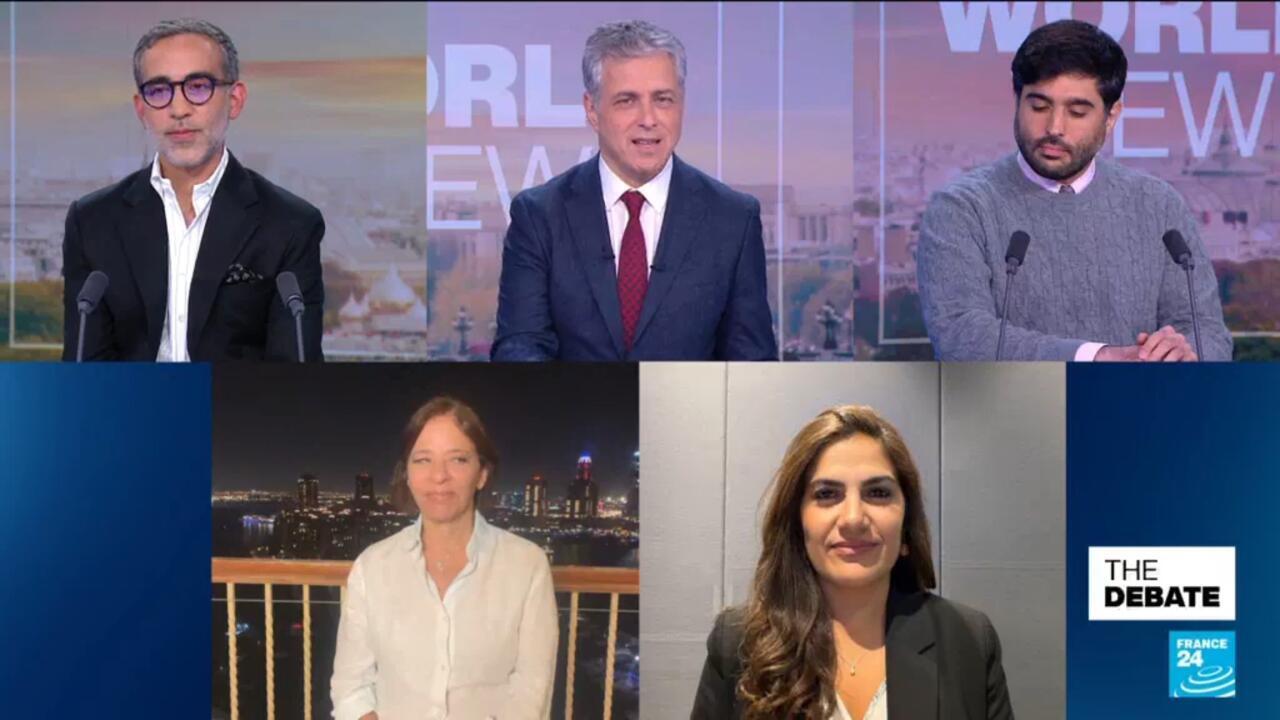
Hostilities have intensified across the Strait of Hormuz following a flare-up on Monday, 06/05/2026, marking a significant escalation in regional tensions. Amidst reports of a deepening economic collapse within Iran, the regime has adopted a posture of defiance, suggesting that the state apparatus remains resilient even as ordinary citizens face soaring inflation. This dynamic raises critical questions regarding the durability of the Islamic Republic's internal stability when confronted with both external military pressure and domestic economic hardship.
The conflict has extended beyond the immediate waters of the strait, with missiles specifically targeting the Emirates' Fujairah pipeline. This infrastructure serves as a favoured hub for parking cash and bypassing sanctions, effectively circumventing the Strait of Hormuz. By striking this facility, Tehran is attempting to disrupt a key mechanism for evading international financial restrictions, a move that underscores the aggressive nature of the current brinkmanship between the two nations.
In response to these developments, both Tehran and Washington have signalled a mutual tolerance for the resulting lost revenue and inflation. The US Administration and Acting Attorney General Todd Blanche have characterised recent events as a suspected assassination attempt, while the strategic targeting of the Fujairah pipeline indicates a willingness to accept economic pain to achieve geopolitical objectives. This shared acceptance of fiscal instability suggests a calculated approach to the ongoing crisis, where immediate economic costs are weighed against long-term strategic gains.
The strategic significance of the Fujairah pipeline is further highlighted by the United Arab Emirates' recent decision to quit OPEC. Officials in the Gulf state cited concerns that neighbouring countries were not sufficiently tough on Tehran as a primary motivation for this move. The targeting of this pipeline by Iran adds another layer of complexity to the diplomatic rift, creating a scenario where the UAE's economic interests are directly compromised by the very sanctions evasion mechanisms it relies upon.
Domestically, the regime's survival mode relies heavily on a vast patronage system and a messianic streak honed over decades of conflict. However, the efficacy of this system is obscured by a current internet blackout in Iran, which prevents an accurate assessment of the internal situation. This digital silence masks the extent to which the patronage network is being strained by the economic pressures, leaving the true level of public discontent hidden from outside observers.
The prospect of regime instability remains a central concern, particularly given the history of mass New Year's protests in Iran which were previously sparked by soaring inflation. While the state relies on a powerful Revolutionary Guards force to maintain order, the combination of economic teetering on the brink of collapse and renewed hostilities presents a precarious environment. The regime's ability to withstand these dual pressures will likely determine the trajectory of the conflict in the coming months.
Ultimately, the situation reflects a complex interplay of economic necessity and military aggression. As the Islamic Republic faces the pain of rising prices ahead of the November US midterm elections, the focus remains on whether the current defensive measures can sustain the regime's authority or if the accumulated economic strain will eventually trigger a shift in the balance of power.