Iran proposes conditional reopening of Strait of Hormuz contingent on US blockade removal
Regional officials report the offer was conveyed to Washington via Pakistan, though analysts assess President Trump is unlikely to accept terms that leave core US-Israel disagreements unresolved
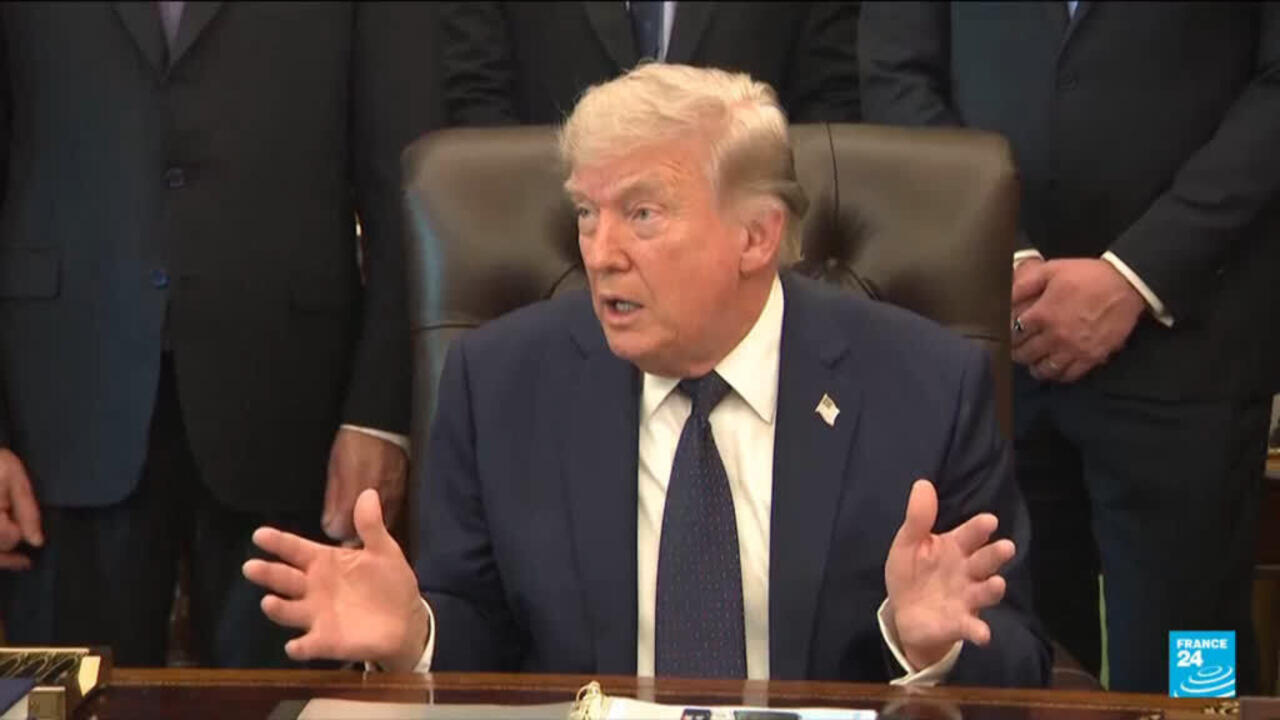
Two regional officials reported on Monday that Iran has put forward a proposal to end its control of the Strait of Hormuz, provided the United States lifts its blockade and concludes the ongoing war. The offer, which aims to restore a critical maritime chokepoint, explicitly seeks to postpone any discussions regarding Iran's nuclear programme until after the immediate conflict has been resolved.
The diplomatic overture was conveyed to US officials by Pakistan, acting as an intermediary in this sensitive exchange. Under the terms of the proposal, the reopening of the strait is strictly conditional upon the cessation of hostilities and the removal of the US-imposed blockade, effectively separating the issue of maritime access from the broader nuclear negotiations that have long complicated regional stability.
However, the prospect of an agreement remains distant, with assessments suggesting US President Donald Trump is unlikely to accept these specific conditions. The proposal would leave the fundamental disagreements between the United States and Israel that triggered the war on 28 February entirely unresolved, creating a significant diplomatic hurdle for Washington to overcome.
This development emerges against a backdrop of heightened geopolitical friction, including disputes over the conduct of the war and strained transatlantic relations. While the US national security team begins reviewing the Iranian peace plan, the context is further complicated by recent political violence in the United States, including a third direct attempt on President Trump's life during a White House dinner.
Despite the security challenges and diplomatic tensions, international engagements continue to proceed. King Charles' state visit to the United States is set to continue as planned, including a scheduled address to Congress, even as Buckingham Palace navigates the fallout from the recent shooting and the underlying diplomatic friction regarding the Iran conflict.
The core event now centres on whether the US administration will view the lifting of the blockade as a prerequisite for peace or if it will insist on addressing the unresolved US-Israel disagreements first. The outcome of this review will determine the next phase of the sixty-day conflict and the future trajectory of Iran's nuclear negotiations.