Iran intensifies crackdown on political prisoners as global focus shifts to regional conflict
Human rights advocates warn the Islamic Republic is exploiting international distraction to carry out mass executions while internet access is severely disrupted
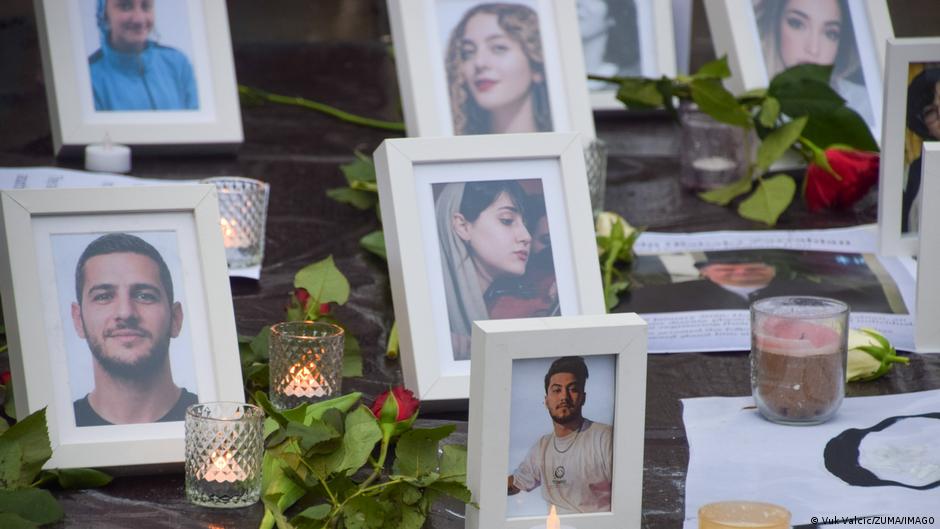
Amid the ongoing conflict between the United States and Israel, Tehran has intensified its internal repression, resulting in a significant surge in the detention and execution of political prisoners. Since the war began in February, more than 4,000 individuals have been arrested on national-security charges, with at least 21 executed. This spike in judicial severity has occurred while global attention remains largely fixed on geopolitical concerns, particularly regarding the Strait of Hormuz.
The number of executions recorded in 2025 has reached a thirty-five-year high, with at least 1,639 people executed in the calendar year alone. This figure represents a 68 per cent increase from the previous year and averages four to five executions per day. Human rights advocates suggest the regime is utilising the international distraction to execute prisoners while keeping political costs low, a pattern reminiscent of the mass executions that followed the Iran-Iraq War in the late 1980s.
Court proceedings for political prisoners are reportedly being accelerated with reduced transparency, allowing death sentences to be handed down and carried out more quickly. UN Human Rights Chief Volker Türk confirmed the surge in arrests, while legal experts note that the lack of judicial openness facilitates this rapid turnover. The 1Kalameh Legal Network, an independent collective of Iranian human rights lawyers, has documented how security authorities are systematically intimidating solicitors and working to shut down dissidents.
Communication within the country has been severely hampered since late February, as the government has taken increased action against virtual private network connections and satellite terminals. This disruption makes it far more difficult for activists and lawyers to communicate both within Iran and with colleagues abroad. The isolation has hindered the ability of legal networks to document violations or coordinate support for those facing imminent danger.
Pressure on ill political prisoners has also intensified, with reports indicating that medical furloughs are being withheld. Narges Mohammadi, a Nobel Peace Prize laureate who recently suffered a heart attack, was transferred to a clinic in Tehran after her sentence was suspended on bail. Advocates argue that other political prisoners in poor health should likewise be entitled to medical furlough or conditional release for humanitarian reasons.
Mahmood Amiry-Moghaddam, founder of the NGO Iran Human Rights, has stated that the international community must give significantly higher priority to the state of people in Iran. He argues that ending the executions and releasing political prisoners should be a core condition for any future negotiations with the Islamic Republic, emphasising that fundamental change can only be carved out by the people of Iran themselves.