Iran insists Strait of Hormuz remains closed despite Oman transit talks
Tehran maintains the waterway is shut unless the war ends, even as it negotiates a phased framework with Oman for a temporary corridor and mine-clearing operations.
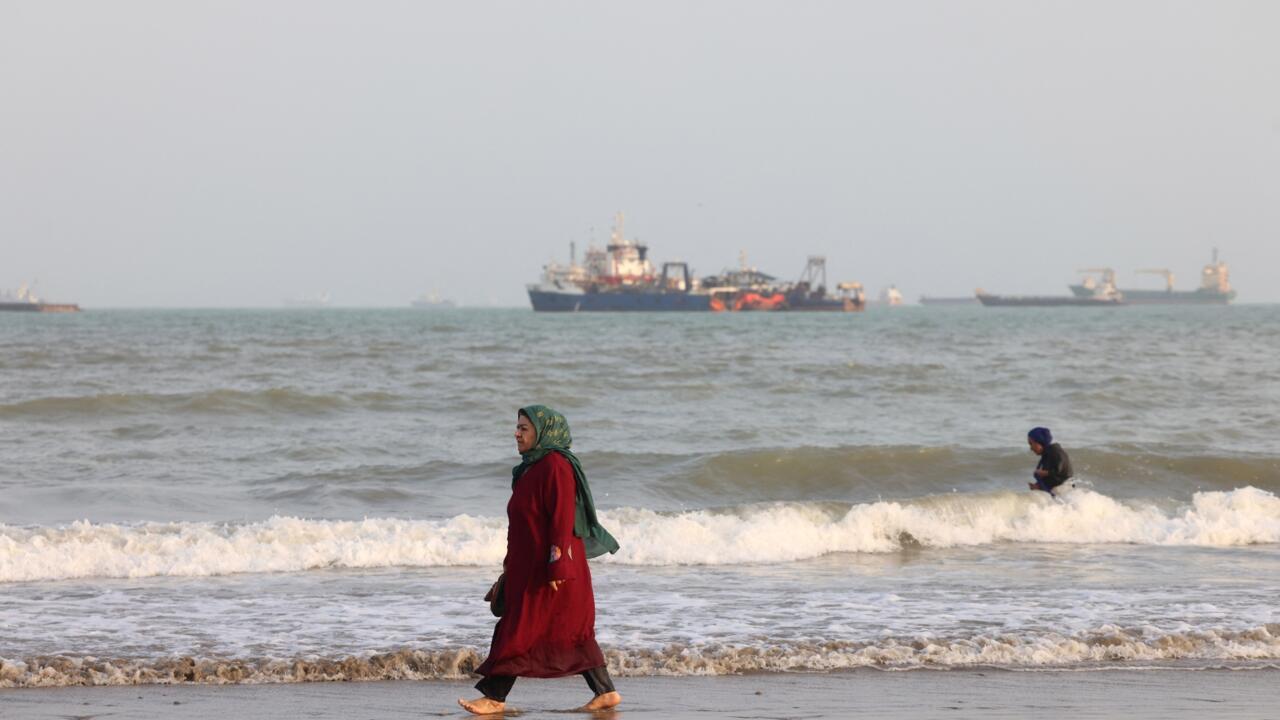
Iran has stated that the Strait of Hormuz will remain closed unless the United States ends the ongoing war, a position maintained despite active discussions with Oman regarding a temporary transit corridor. According to a statement released following talks in Tehran, the two nations are negotiating a "phased framework" that includes the establishment of a joint temporary navigational corridor and a collaborative project to clear mines from the strait.
The arrangement is framed by Tehran as a specific regulatory measure rather than a blanket reopening of the passage. This approach aligns with a June memorandum of understanding between the United States and Iran, which laid the groundwork for regulating transit through the waterway. By characterising the current state as closed, Iran retains significant leverage over the flow of vessels through one of the world’s most critical energy chokepoints.
Shipping traffic through the strait remains significantly depressed. Preliminary data from shiptracker Kpler indicates that five commodity vessels transited the strait on Tuesday, a figure well below the 10-day average of 15. The traffic comprised two tankers carrying liquefied petroleum gas and one tanker carrying bitumen exiting the strait, while two empty product tankers entered. Officials noted that these figures may fluctuate, as some vessels typically switch off their transponders during the voyage.
In Washington, the pressure on Tehran continues to mount. The United States introduced fresh sanctions aimed at compelling Iran to capitulate, with US Treasury Secretary Scott Bessent warning of "economic asphyxiation." This diplomatic and economic squeeze is occurring against the backdrop of a conflict that began in February, which has already disrupted global supply chains.
Energy producers are adapting to the constrained waterway. QatarEnergy has issued a second tender to sell al-Shaheen and Qatar Marine crude via ship-to-ship transfers outside the Strait of Hormuz. The crude is scheduled for discharge in the first half of October, with the deadline for bid submission set for Wednesday. This follows a previous tender that offered al-Shaheen, Qatar Marine, and Qatar Land crude for loading in September and October on a free-on-board basis at their respective loading ports in Qatar.
Japan, which was heavily reliant on oil imports passing through the strait before the conflict, is also moving to secure its energy supplies. Local media reported that Japan plans to support alternative pipeline initiatives in the Middle East, including expansion and new routes in Saudi Arabia, to bypass the waterway. Tokyo has already tapped its oil reserves and increased crude imports from other countries, including the United States, to mitigate the supply shortfall.