Iran faces deepening economic crisis as food inflation soars and currency collapses
The Statistical Center of Iran reports food prices up 115 per cent year-on-year, yet the government blames external warfare for the hardship.
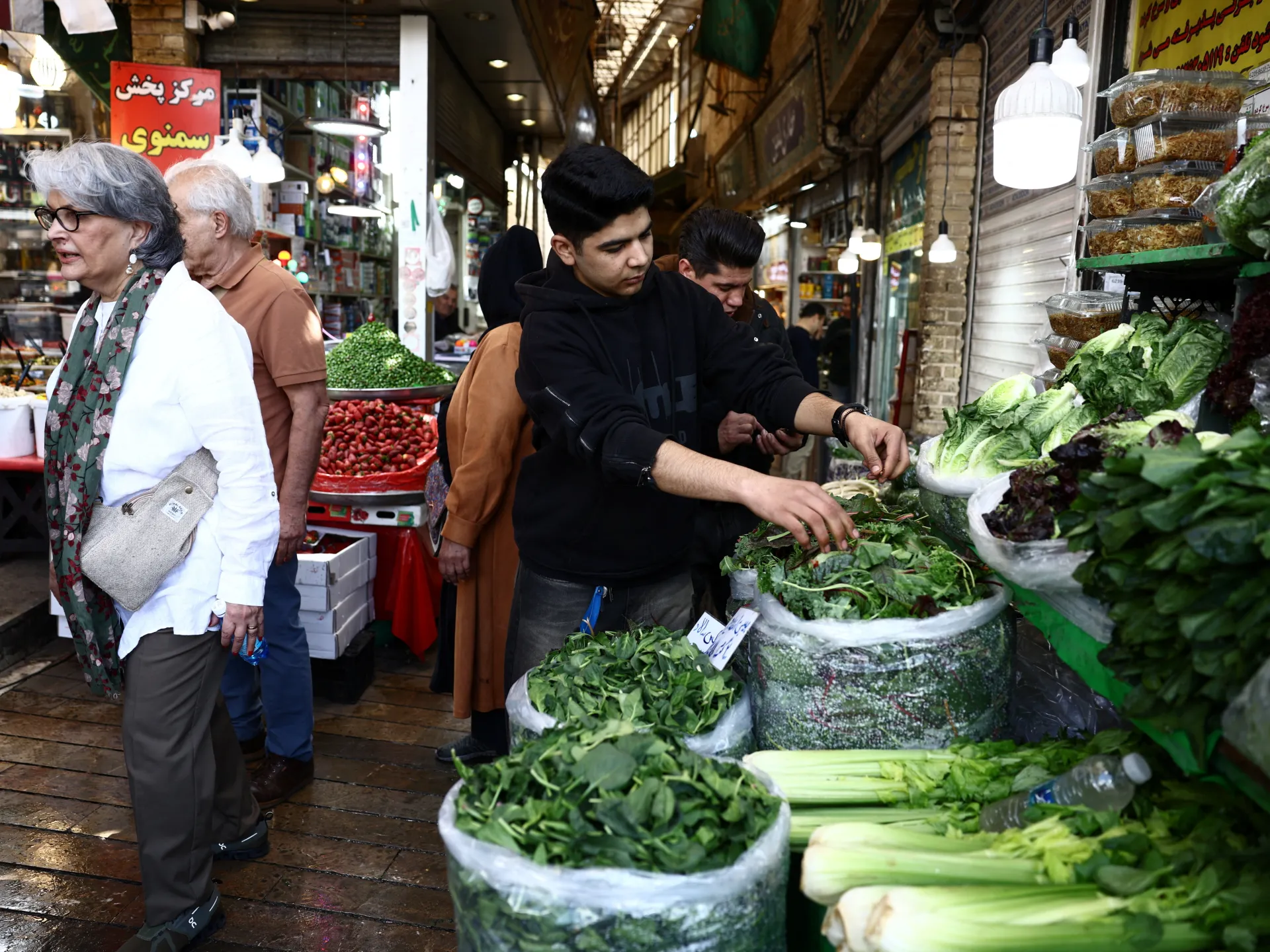
Iran is grappling with a severe economic contraction as food inflation reaches 115 per cent year-on-year and the rial currency trades at record lows. The Statistical Center of Iran reported these figures for Farvardin, the first month of the Persian calendar, noting that specific staples such as solid vegetable oil surged by 375 per cent and liquid cooking oil by 308 per cent.
While the Central Bank of Iran reported slightly lower inflation rates using different methodologies, both institutions confirm an accelerating pace of price increases that is eroding household purchasing power. The rial has plummeted to approximately 1.77 million per US dollar in Tehran's open market, a significant drop from the 830,000 level recorded a year ago, coinciding with an ongoing US-Israeli conflict and a naval blockade.
President Masoud Pezeshkian has urged national cohesion, telling officials that the public must realistically understand the country's conditions and restrictions. He attributed the economic difficulties to the war launched by the United States and Israel, stating that problems could be solved through cooperation and reliance on national unity as diplomatic efforts to end the conflict intensify.
Despite the deteriorating conditions, the state-run Consumers and Producers Protection Organization issued a directive declaring new price hikes for cooking oil illegal and ordering them to be returned to previous levels. However, no enforcement mechanism was detailed, and the government's response remains limited to subsidies and electronic vouchers that currently amount to less than $10 per person per month.
The situation is compounded by a near-total internet shutdown now in its 72nd day, imposed by orders from the Supreme National Security Council despite internal opposition from various government bodies. Officials cited the blackout as necessary until the war ends, though the Guild Association of Internet-based Businesses described the impact as fatal to the country's startup ecosystem.
Hardline lawmakers and media outlets linked to the Islamic Revolutionary Guard Corps have characterised the price surges as an economic revenge campaign by enemies, claiming that economic achievements during the war remain unrivalled. Meanwhile, authorities consider raising subsidies but face a budget crunch that makes such measures difficult to implement.